[Colombia] – The recipe for kebbe nayye by Antoine Floch from Agoradventure
As part of our Ursino project, each month we invite you to discover a traditional recipe shared by a chef, celebrity, or anonymous contributor.
Discovering a dish, its history, how it is eaten, and even the memories associated with it is precisely what our students around the world are doing.
On this basis, they conduct research to discover the origins of dishes and their ingredients.
The goal: for them to discover for themselves that our cultures, particularly our culinary cultures, have always been enriched by diversity and encounters between peoples.

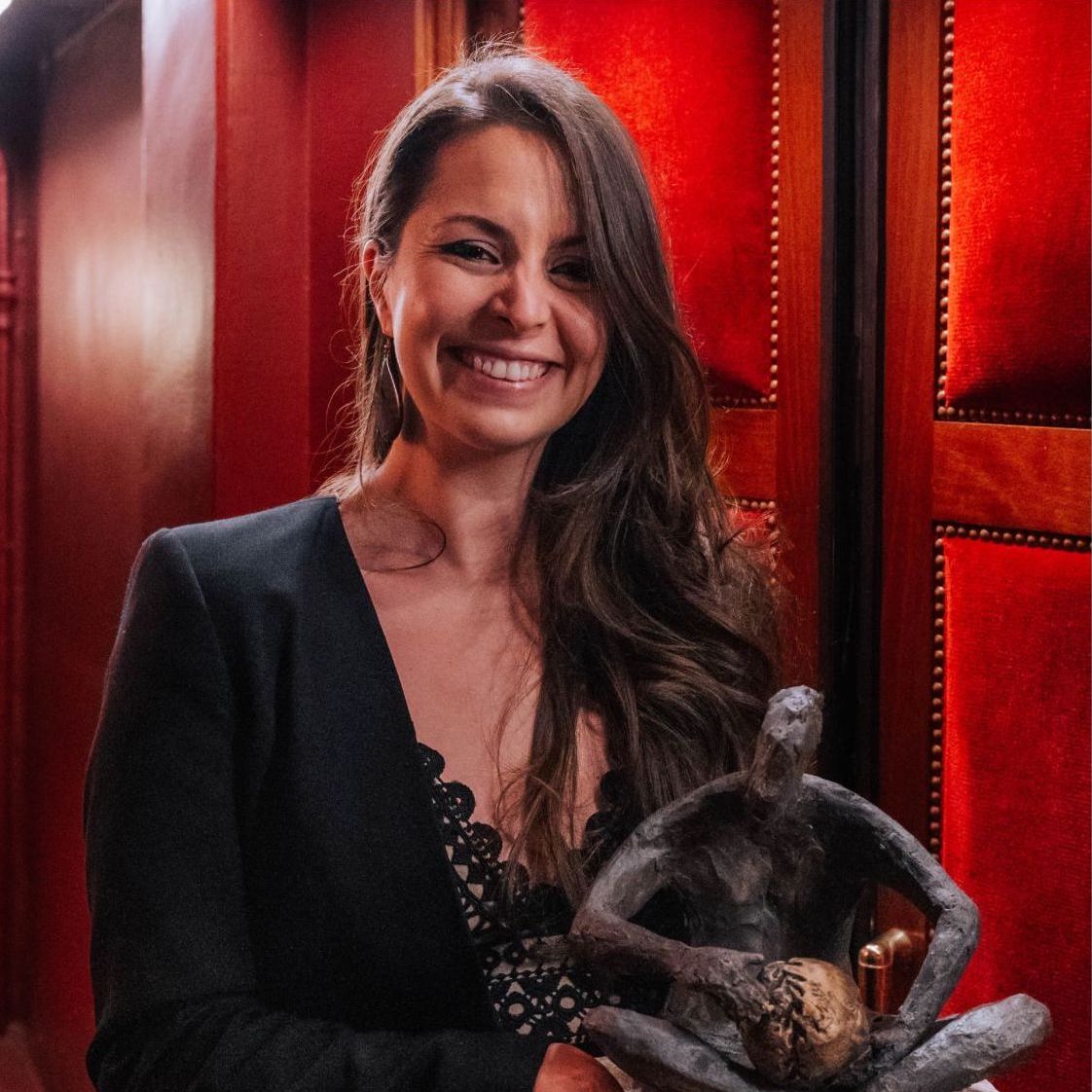
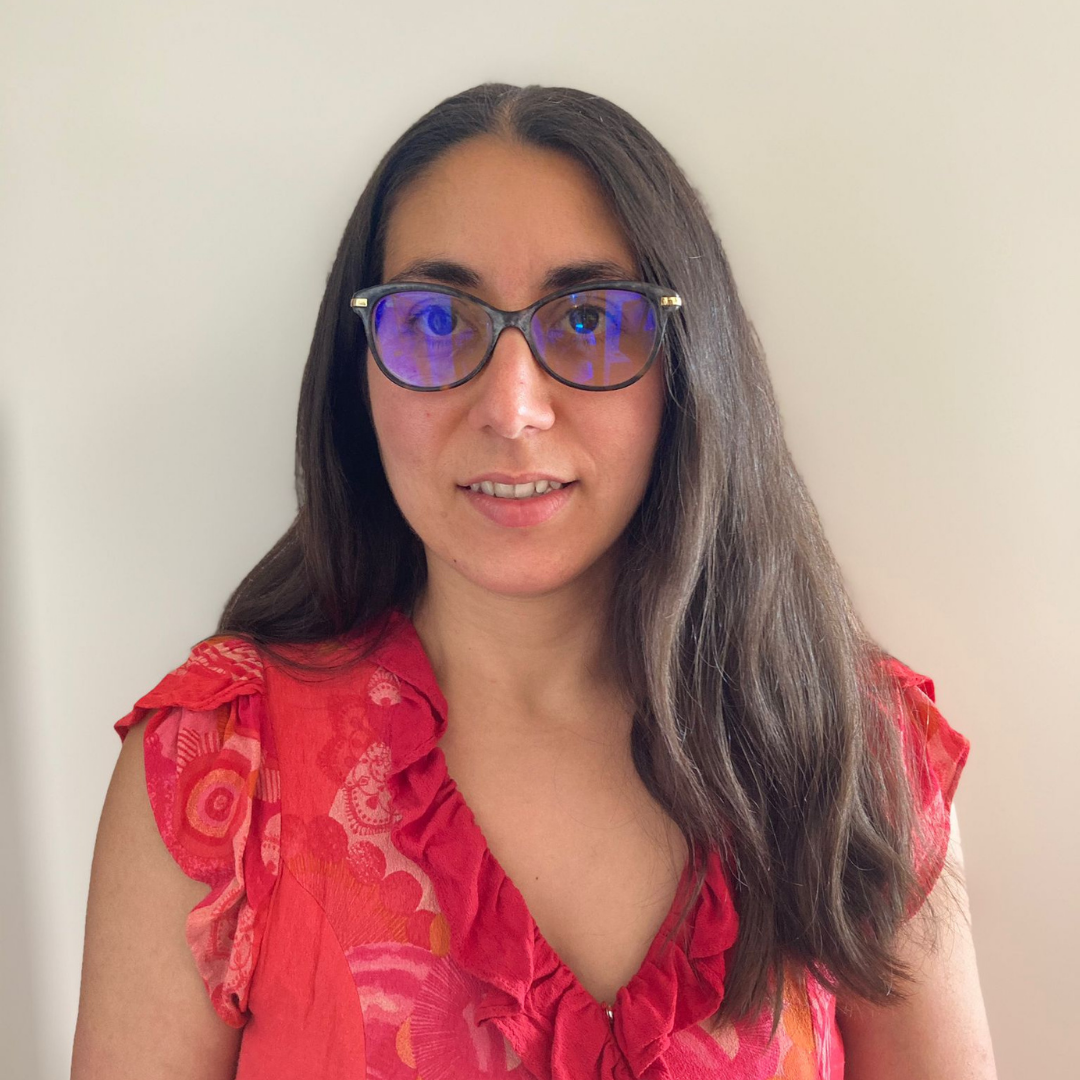
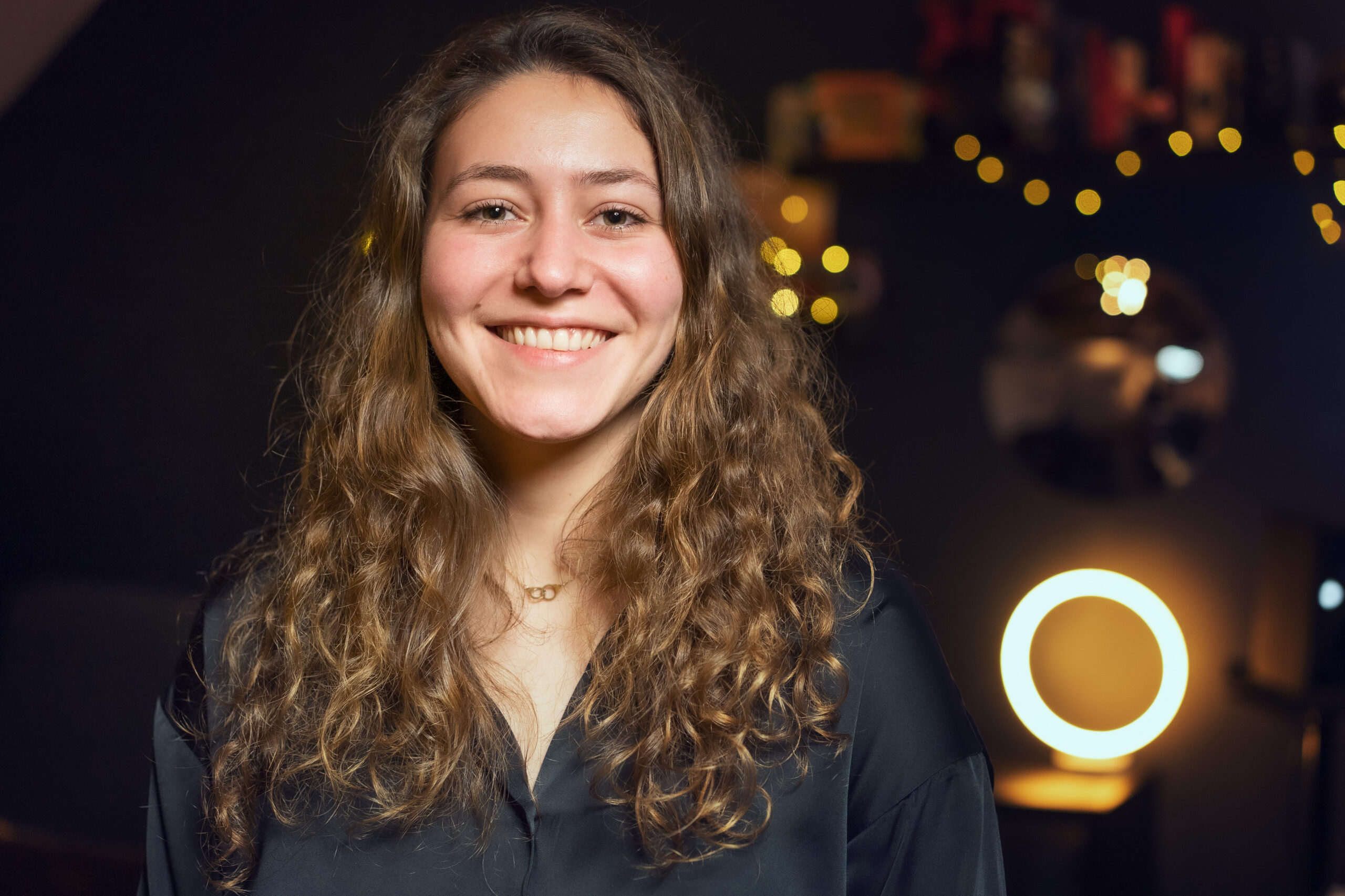
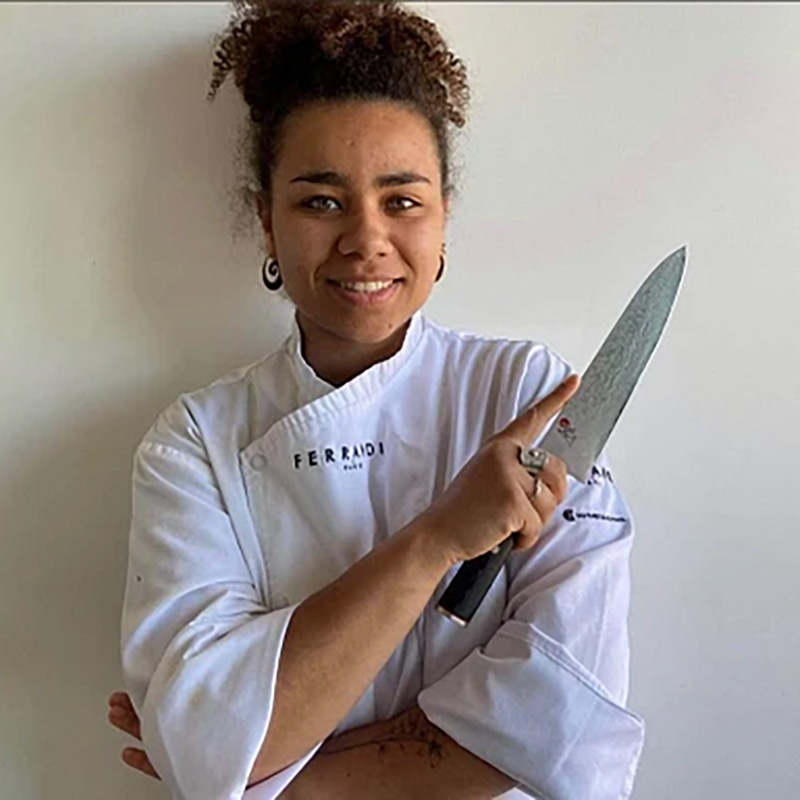
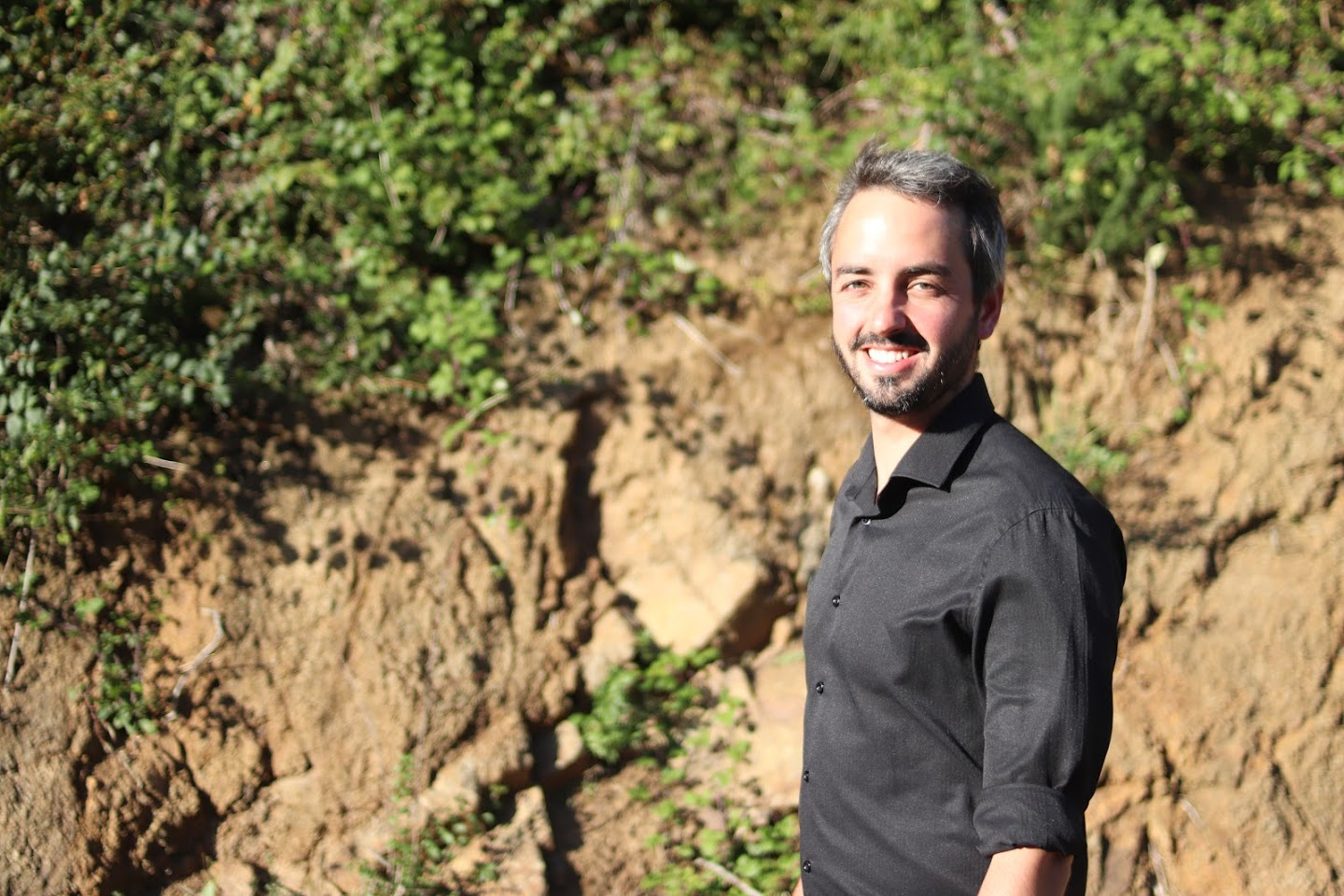
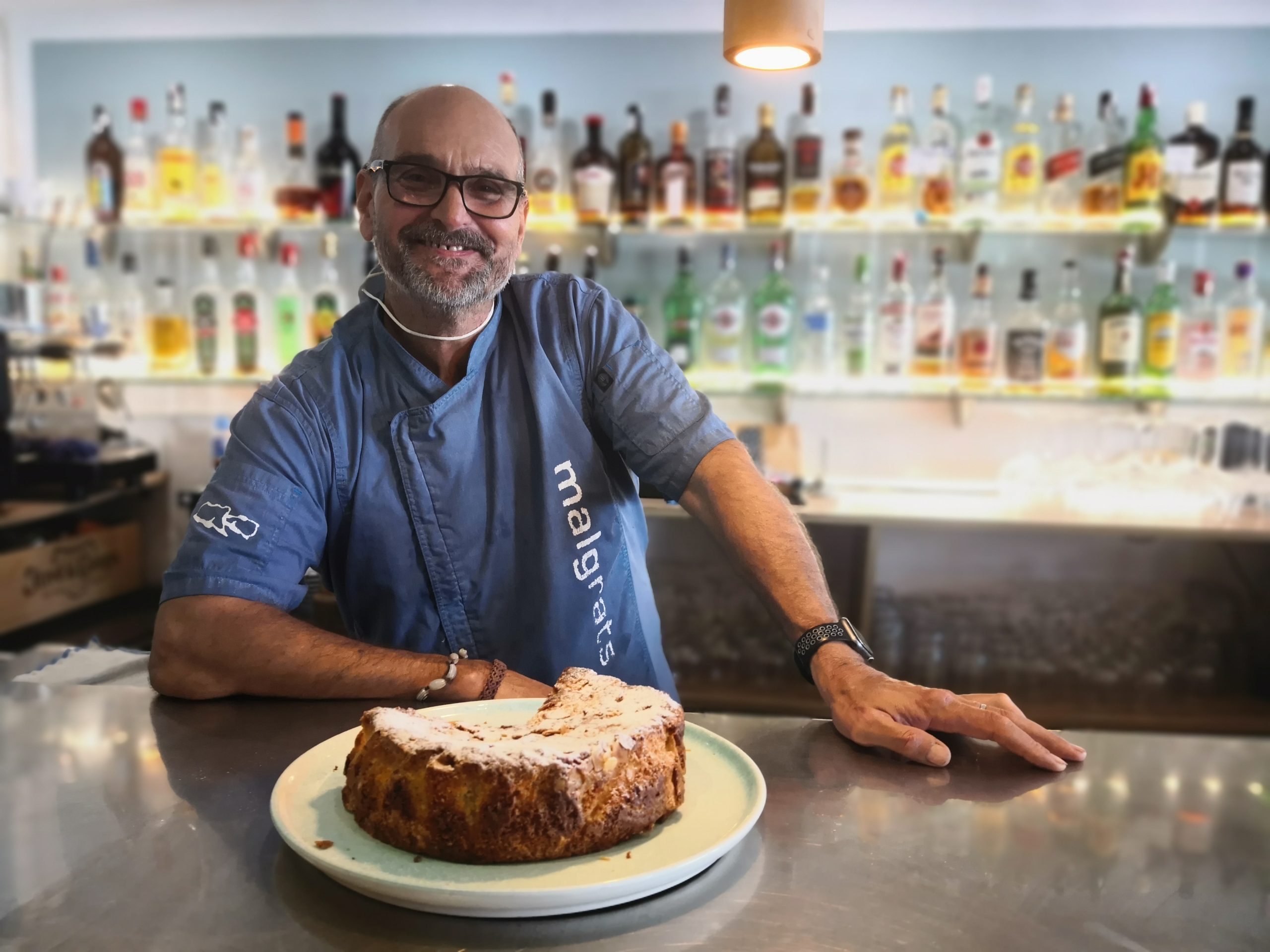
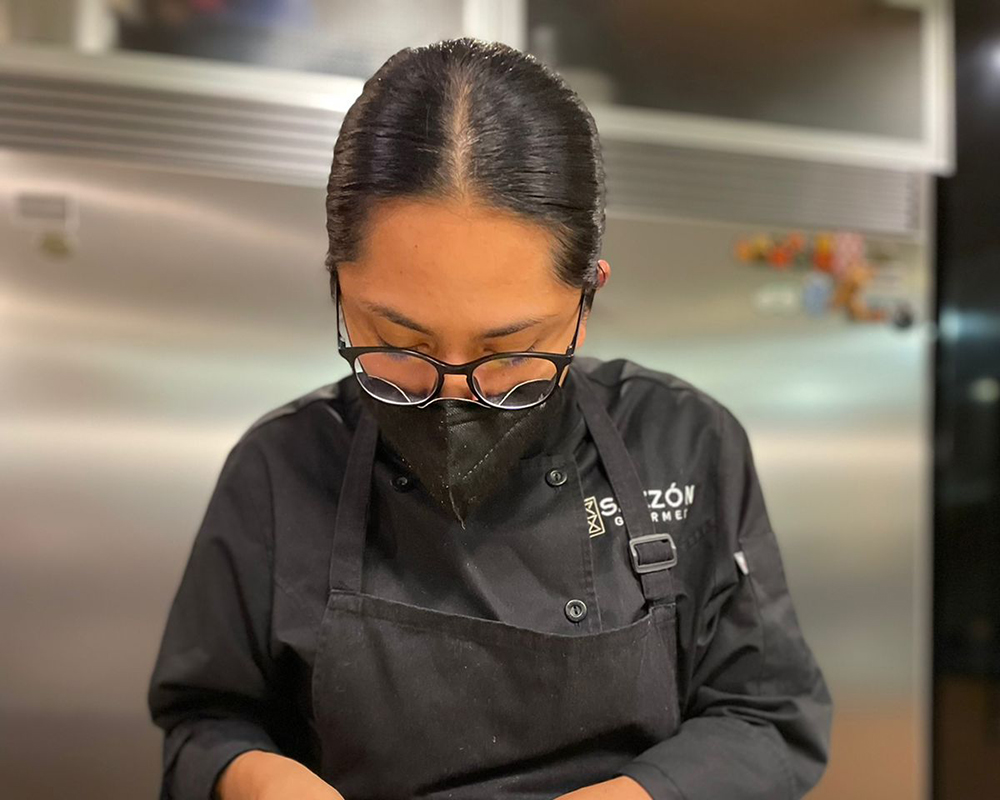
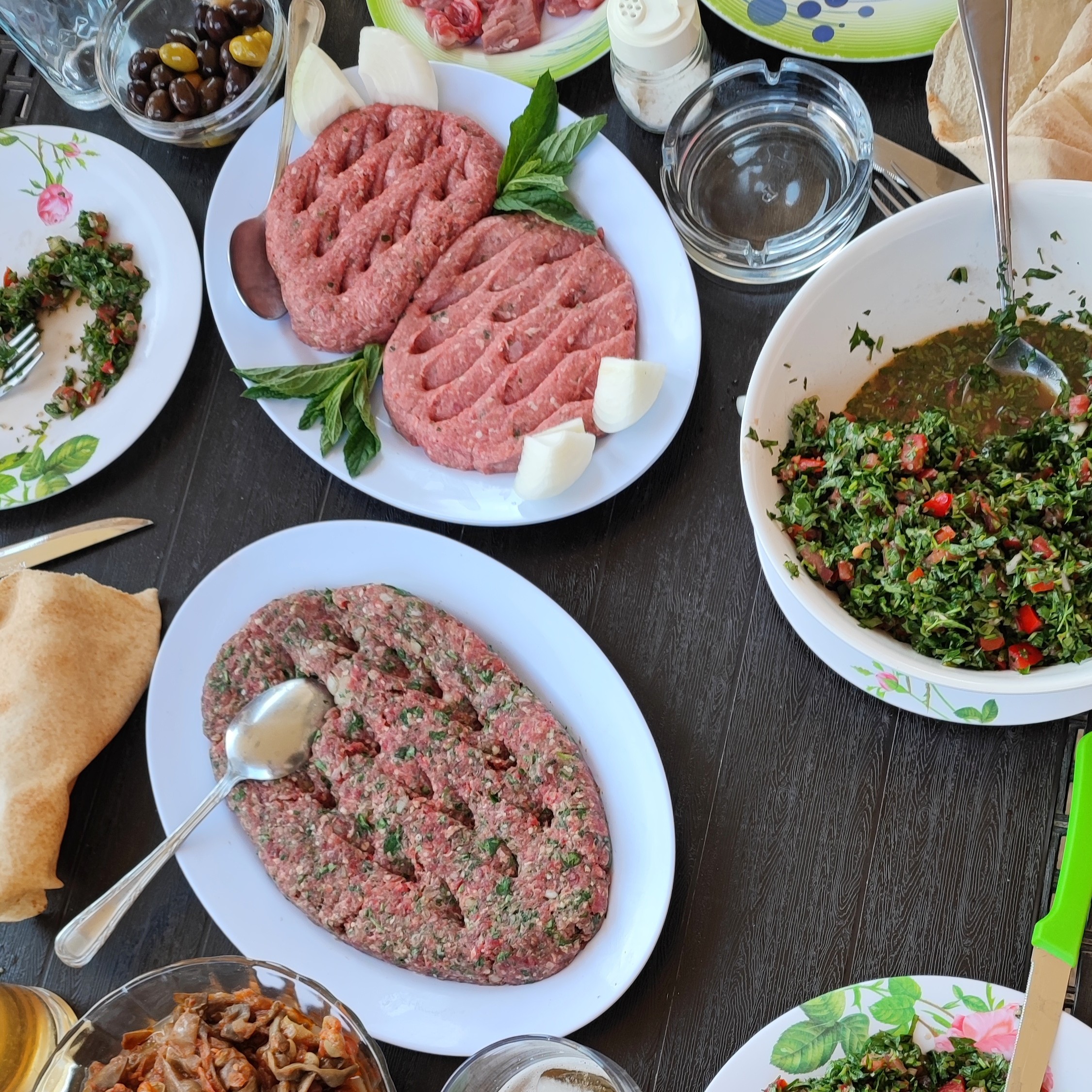
This month,Antoine Floch,a traveling chef behind the Instagram account @Agoradventure, where he shares Japanese recipes and his experiences in Japan, took part in theUrsino questionnaire.
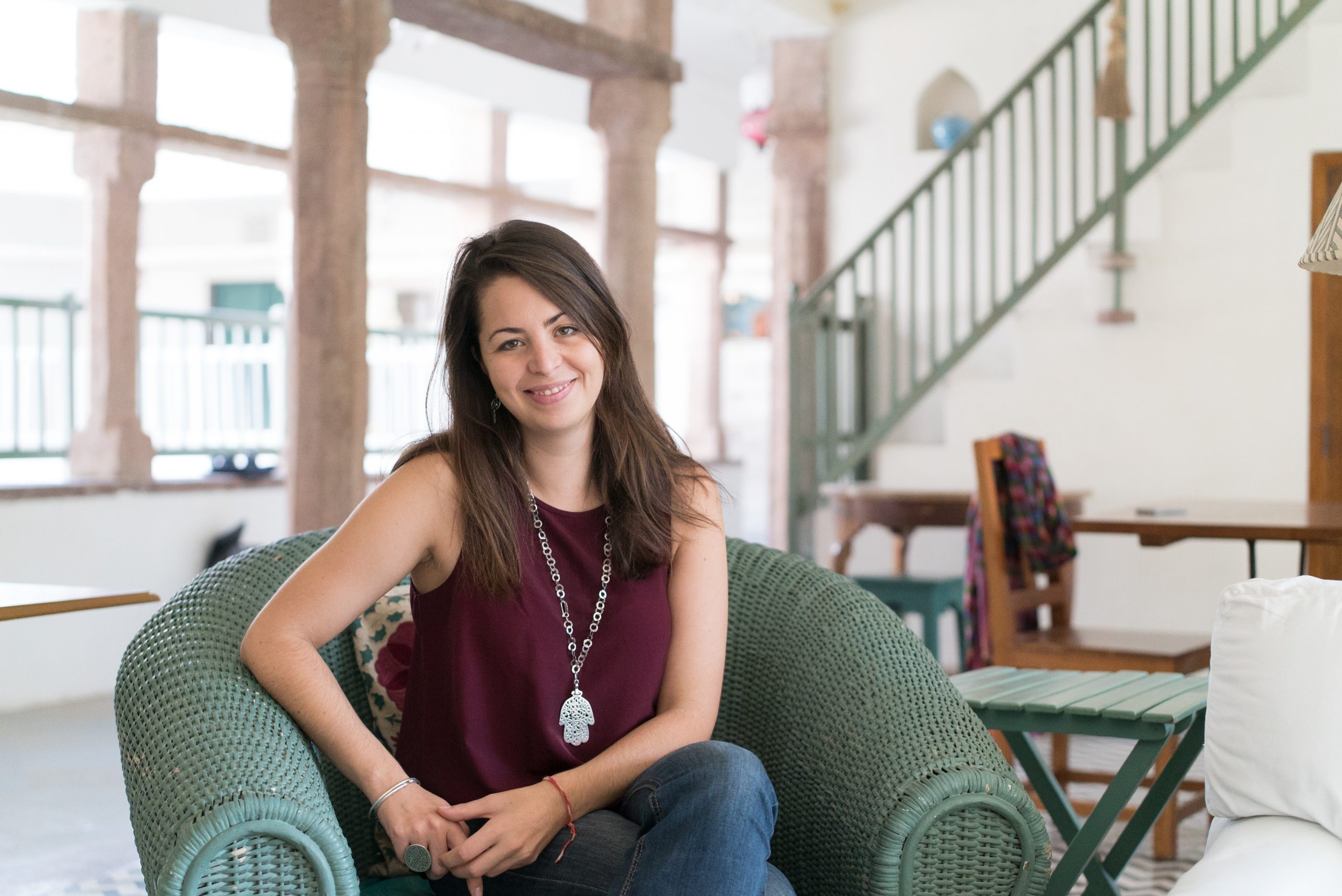
© Charlotte Courtois
Tell us about a traditional recipe that is close to your heart.
Who prepared this dish? How was it passed down to you?
What does this dish remind you of? Do you have any special memories or stories associated with it?
Do you know of any other variations of this dish?
Does this dish seem rather old or recent to you? Which region do you think it comes from?
Quite old. It's not even originally Lebanese. It's found in Syria and Lebanon. Every family prepares it differently. It's quite unusual and not widely eaten outside Lebanon.
It requires a certain amount of logistics, especially on the part of the butcher. I don't think it's going to disappear, though.
Some sources say it is Syrian in origin, while others say that Lebanon created the version we know today.
How and when is this dish usually eaten?
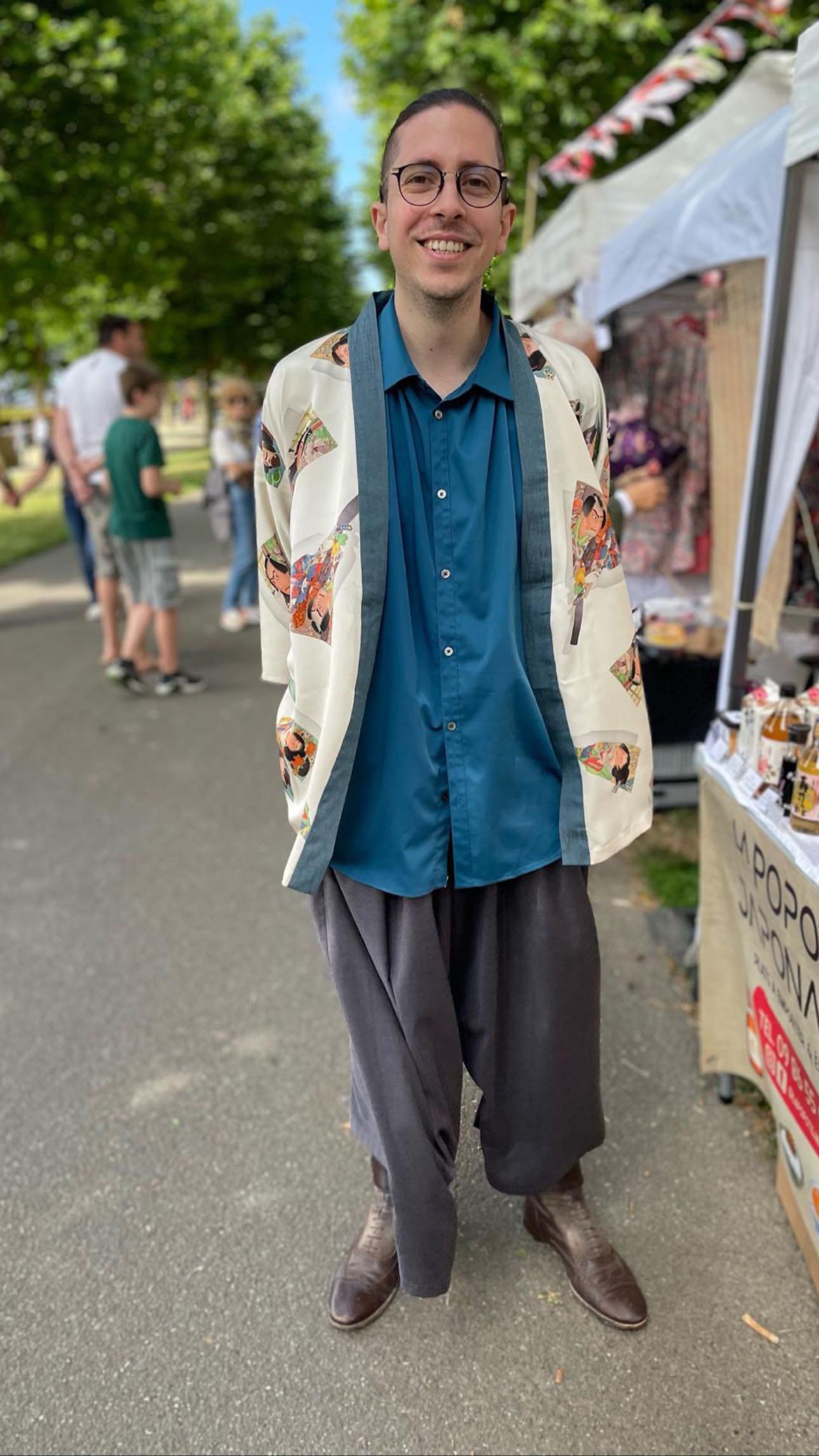
Traditionally, it is a festive dish because it is a time when animals are slaughtered. It is served as part of a mezze alongside many other dishes. I am more familiar with it being served with wine or tea, but in Lebanon it can be consumed witharak.In Senegal, it was served with the three traditional green teas.
"In many countries, despite all our differences, it is cuisine that brings us together."
Are there any rituals associated with eating this dish?
Yes, every family has their own variations. When preparing the dish, we make small holes in the meat and add olive oil and mint.
Are there any other traditional dishes that you are keen to pass on to your loved ones?
What do you associate with cooking and mealtimes?
For me, it's my whole life, and I find it hard to understand why people don't devote more time to the pleasure of cooking and sharing through food. It creates social and cultural bonds. There aren't many cultural markers as powerful as cooking when it comes to bringing people together.
In many countries, despite all our differences, it is cuisine that brings us together. Creating an event around cuisine is the greatest human marker. We share the ability to create magic.
The recipe for kebbe nayye
Ingredients
-
500 g lean beef (or pork)
-
200 g fine bulgur wheat
-
Spring onions
-
Spices (cumin, ground coriander, salt, pepper)
-
Ice cubes
-
+ Olive oil, mint, and Lebanese bread for serving
1. Mince the meat very finely (put it through the mincer at least twice).
2. Soak the bulgur wheat the night before, squeeze it with your hands to remove the water, and mix it with the meat.
3. Add 2 ice cubes to the meat.
4. Add the spices, salt, and pepper.
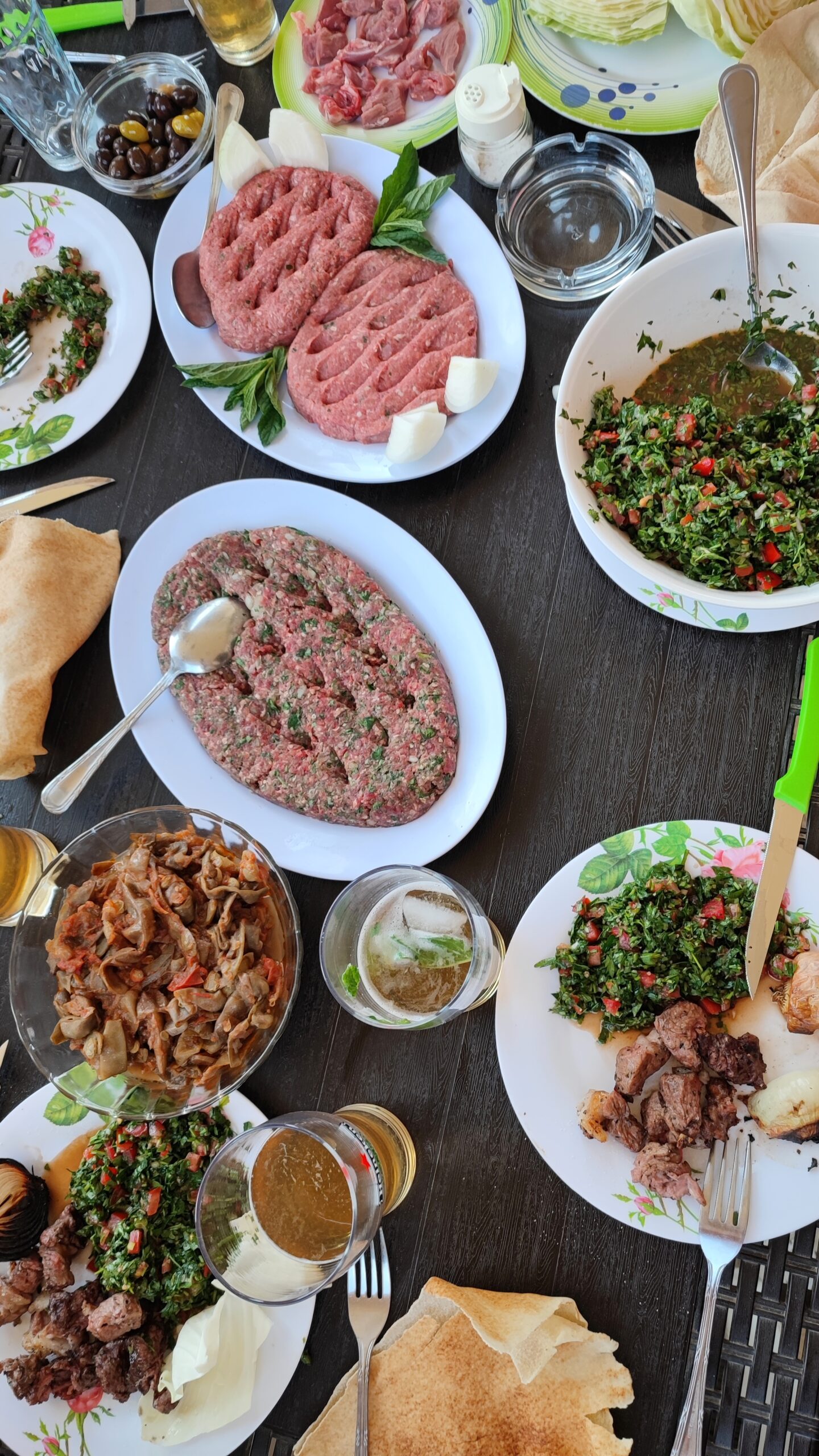
5. Arrange in the dish (in our case, an oval dish) by making three grooves lengthwise with your finger and pour olive oil into the grooves.
6. Garnish with mint leaves on top.
Bonus
Can you recommend a restaurant?
Alinea in Chicago: an incredible experience. Everything is spectacular. Everything is incredible, and not just the food. The most incredible experience I've ever had in a restaurant.
All articles