[Italy] Ursino in Italy – Review of a particularly successful culinary and cultural project
February
2020
February 5, 2022
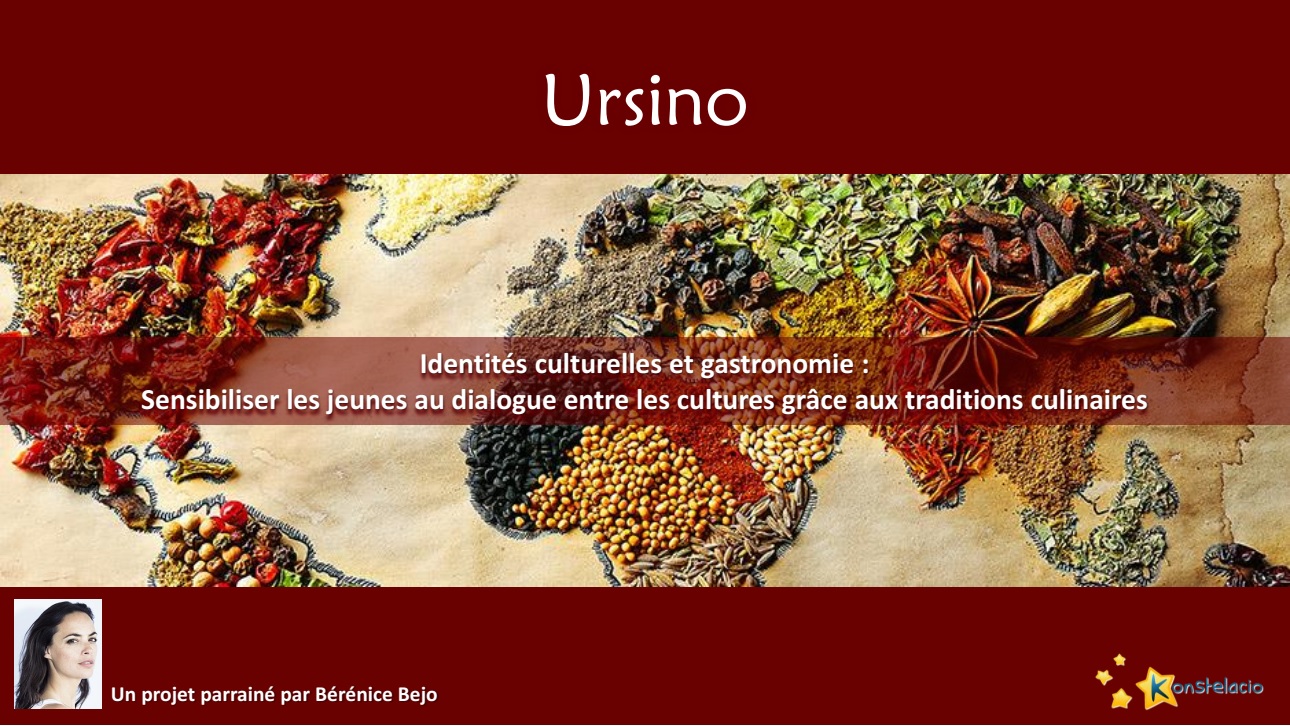
A look back at the Italian phase of the Ursino project.
Discovering the culinary and cultural heritage of Liguria.
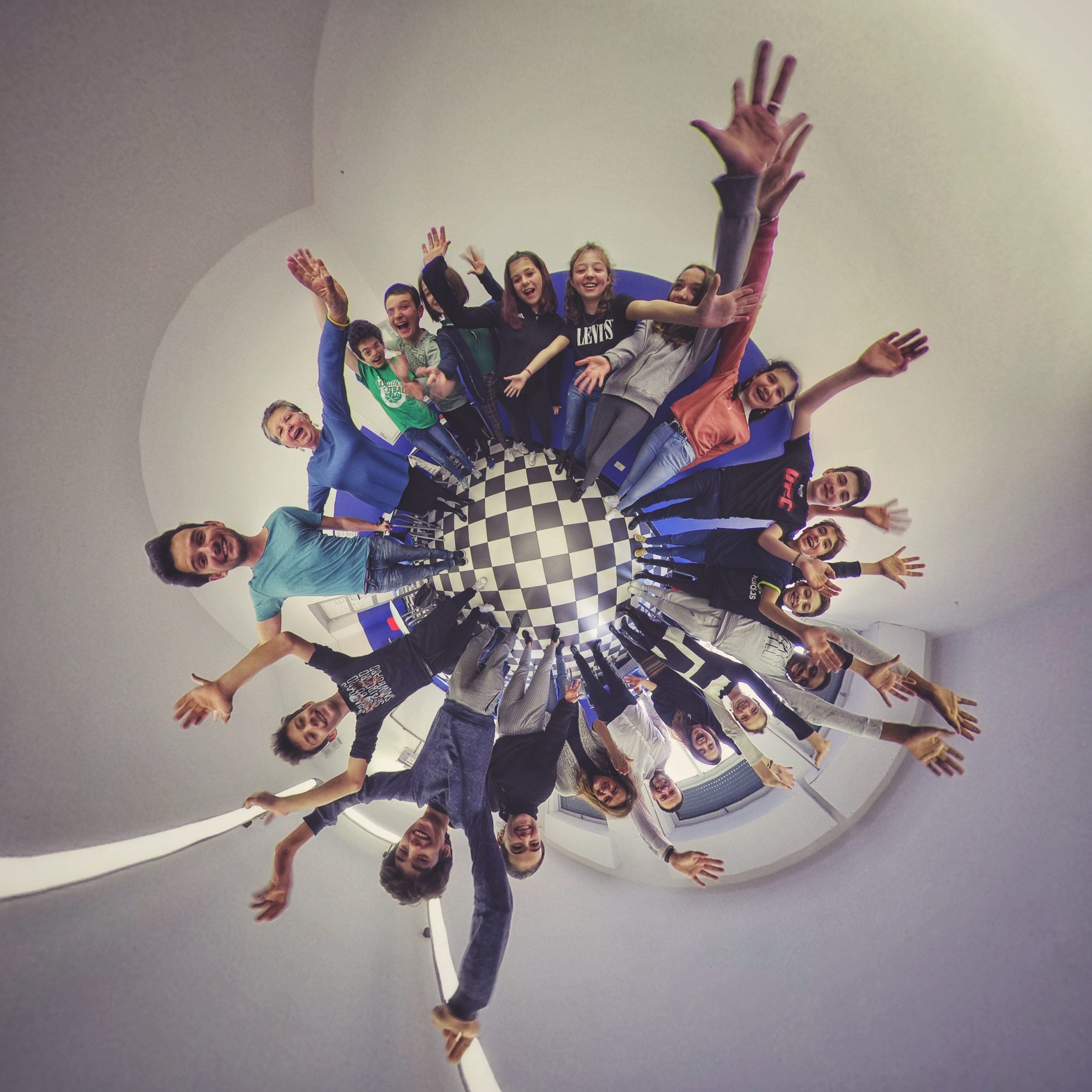
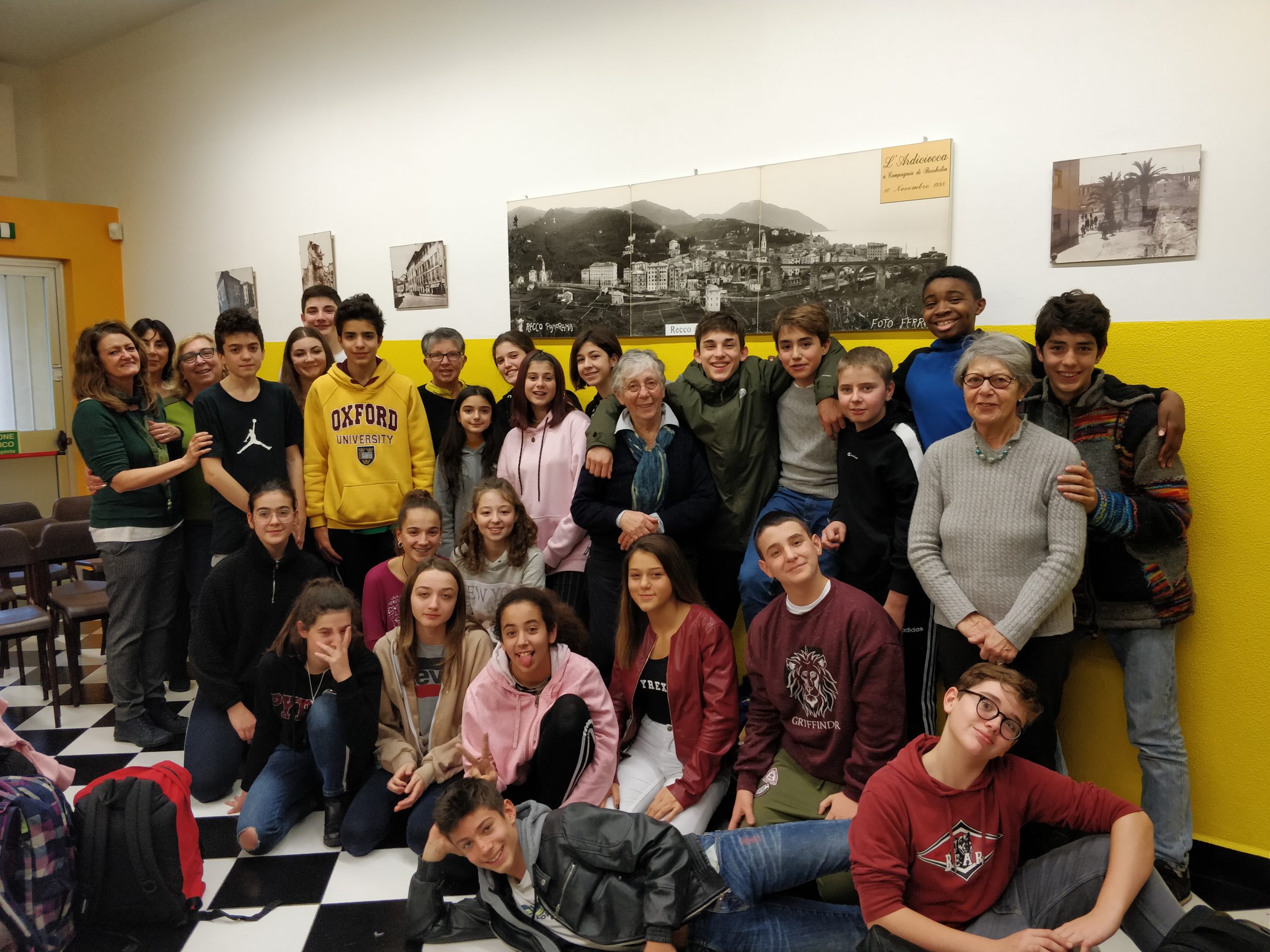
We are back from three intense weeks in Italy, discovering the culinary and cultural heritage of Liguria with our Italian students, particularly between Genoa and the small town of Recco, where they come from.
This Italian phase went perfectly, just as we had imagined and hoped. Those of you who have led projects know how rare it is not to have to deal with the unexpected (a nod to our previous trip to Lebanon in the midst of revolution). The educational program is well-suited, the partners are very involved, and everyone seems happy and grateful to be participating in this somewhat unusual project. What a joy!

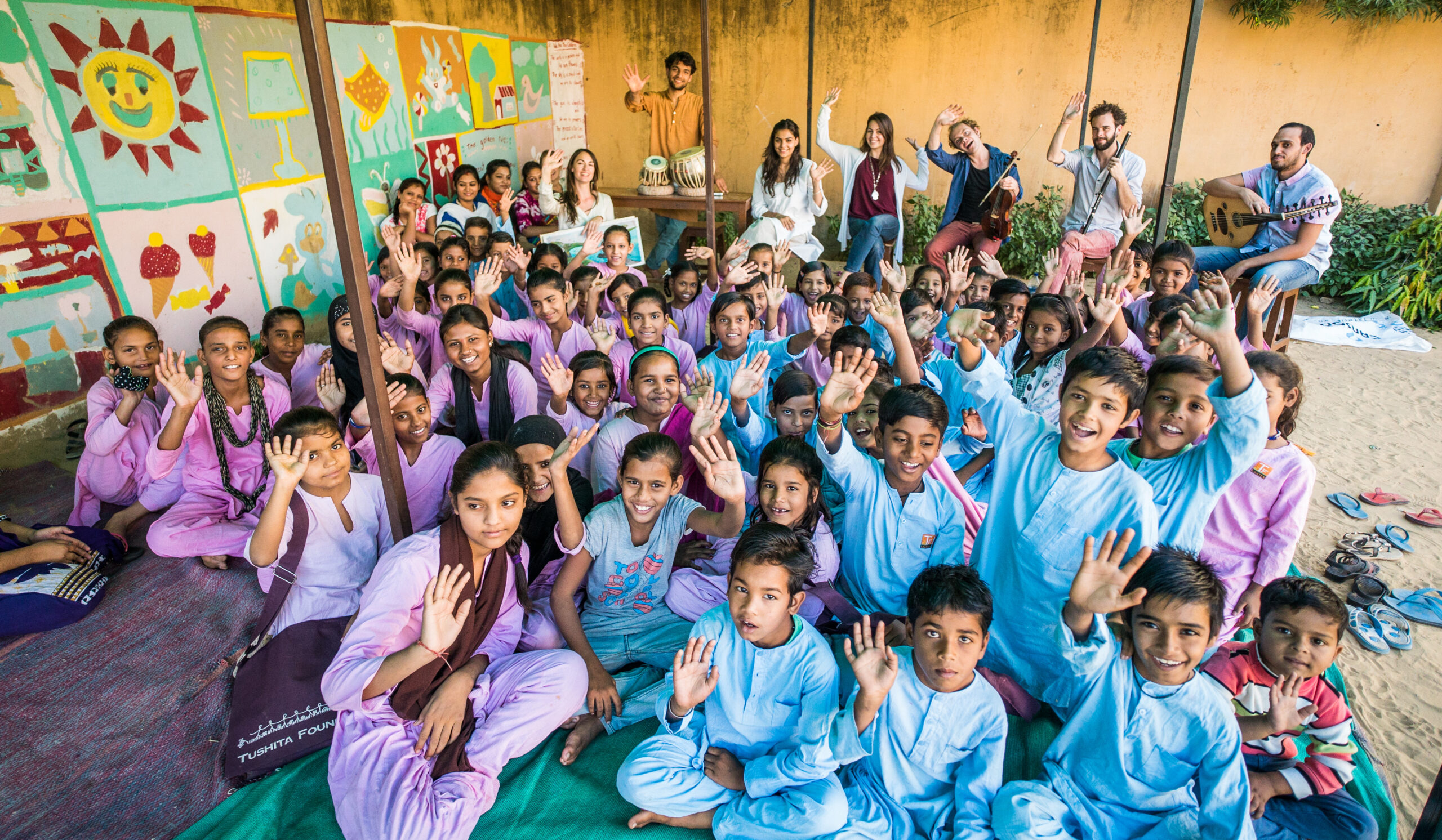
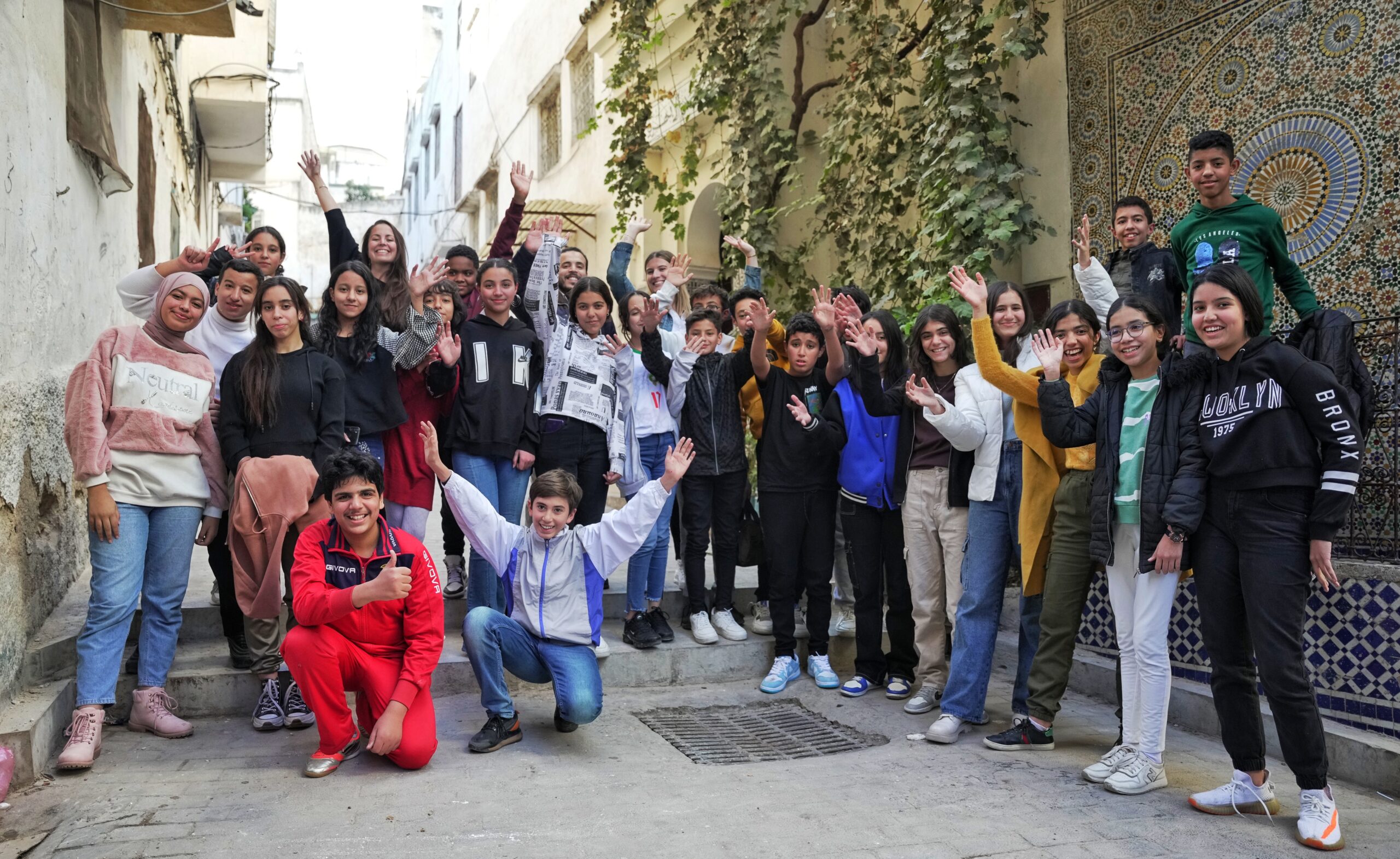
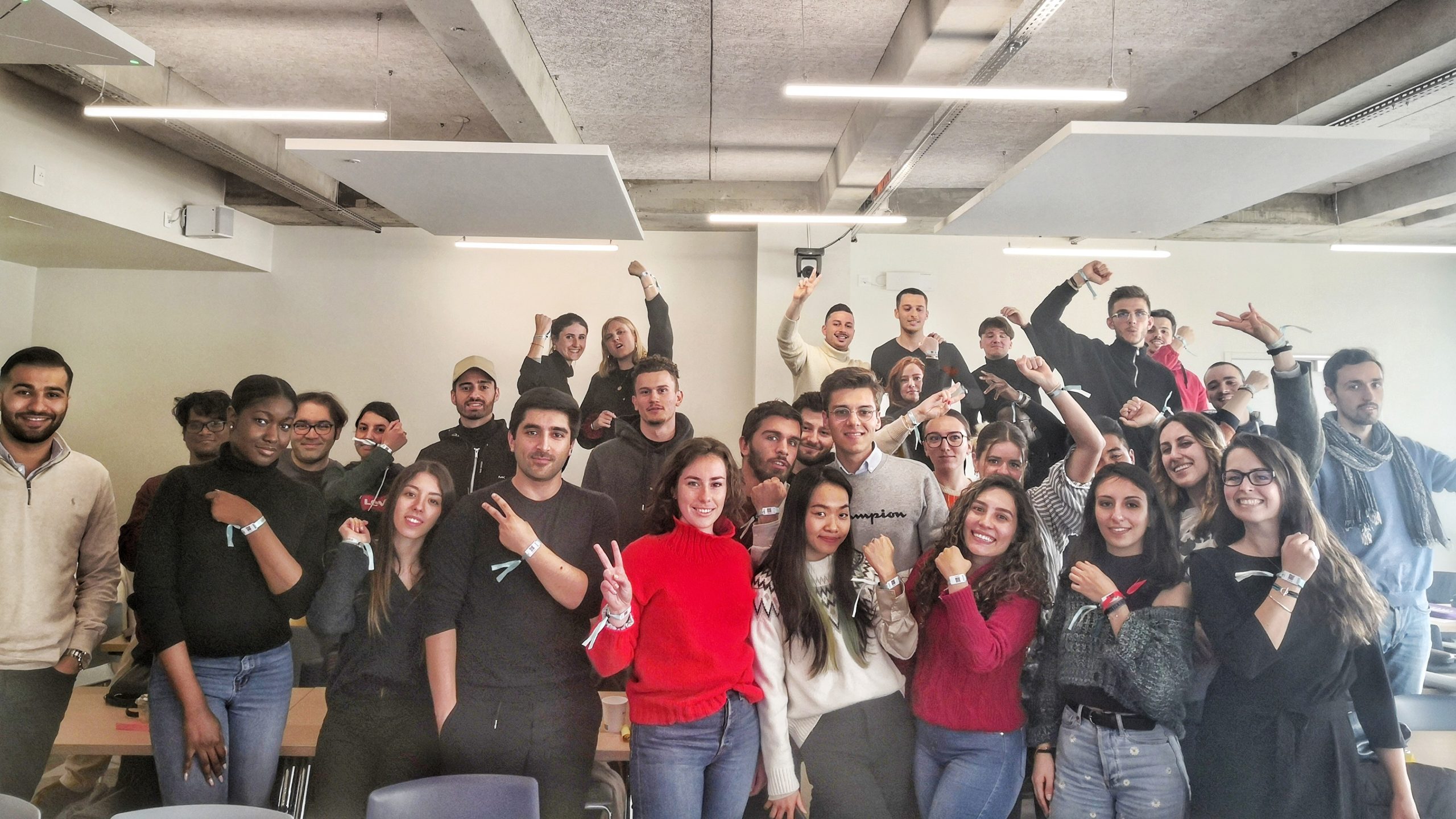
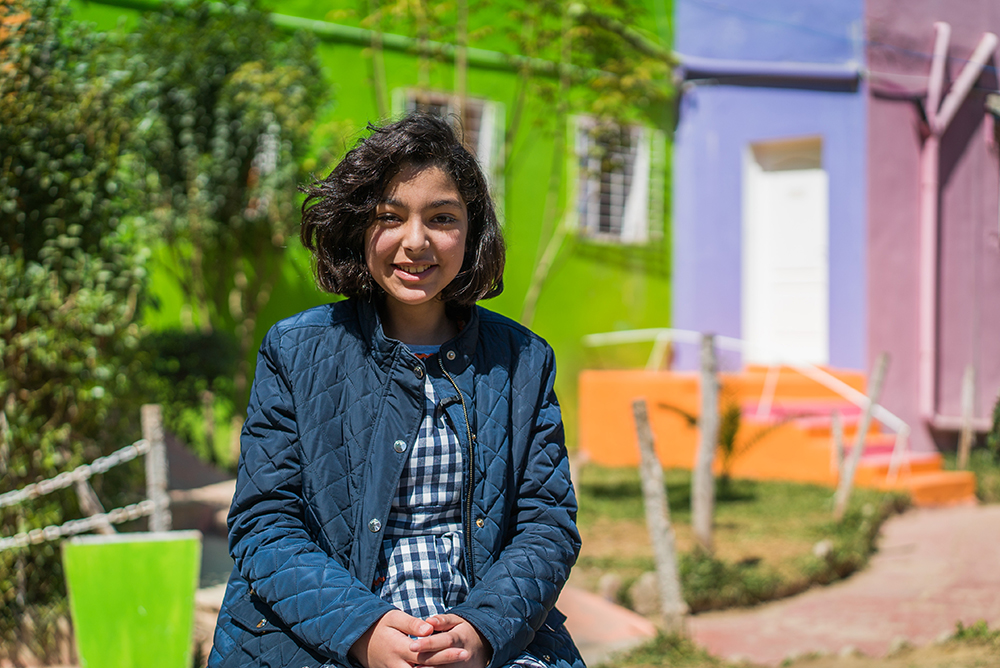
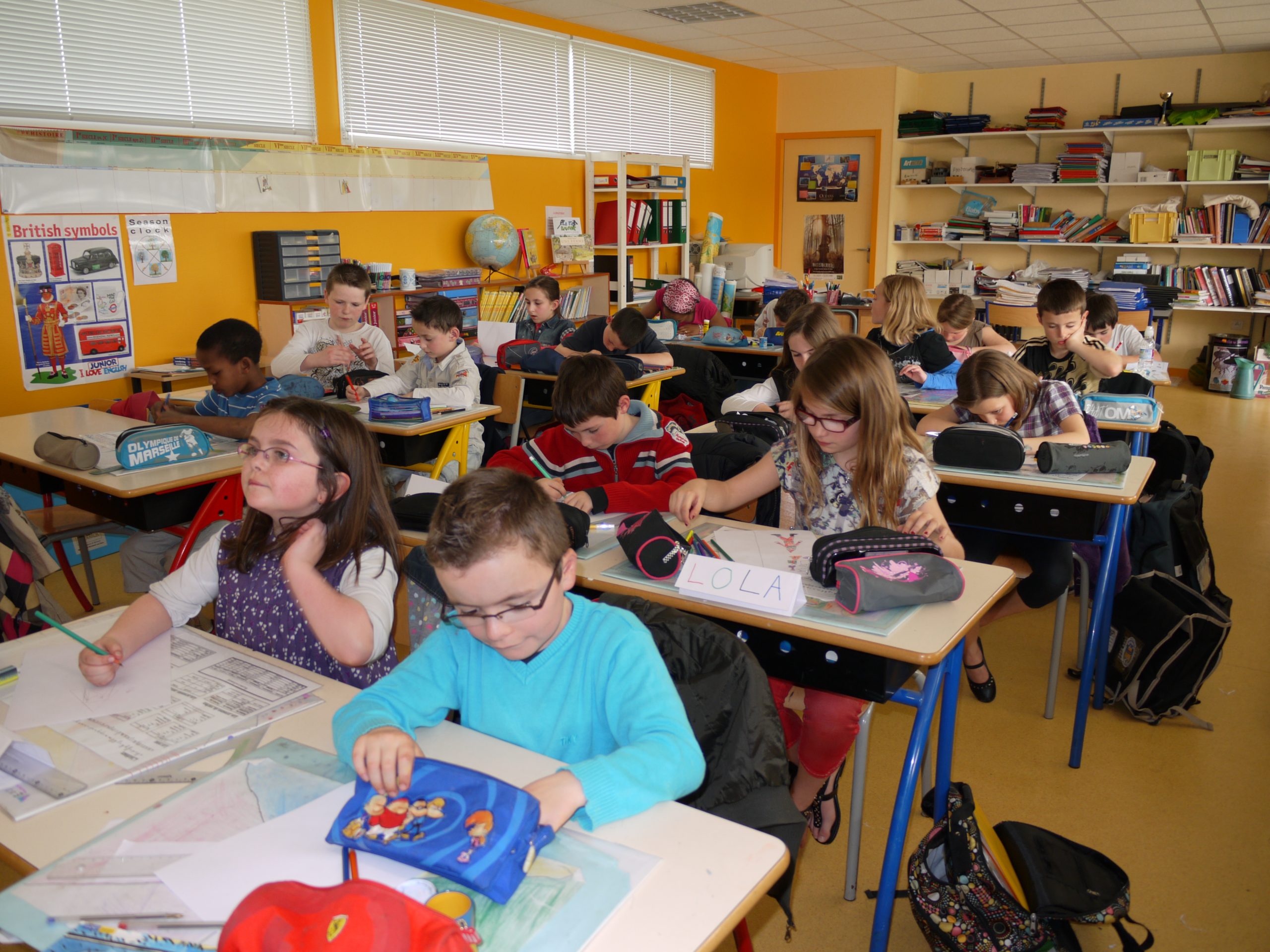
We worked with a group of 26 particularly interested and interesting 13-year-old students, who carried out the project with great enthusiasm and commitment. They impressed us! This commitment is fundamental in our eyes. Ursino is above all a project that puts young people in the position of actors rather than mere recipients. They become collectors of their heritage, researchers, and then transmitters within their community and to young people in other countries. What pride there is in each country when they realize that they will be THE class that will represent their country in the world!
In particular, they helped us choose images to include in our Ligurian culinary teaser video, which we invite you to watch below.
First phase: collection
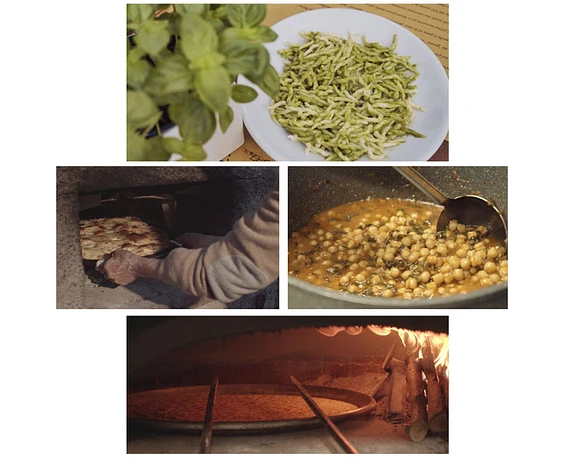
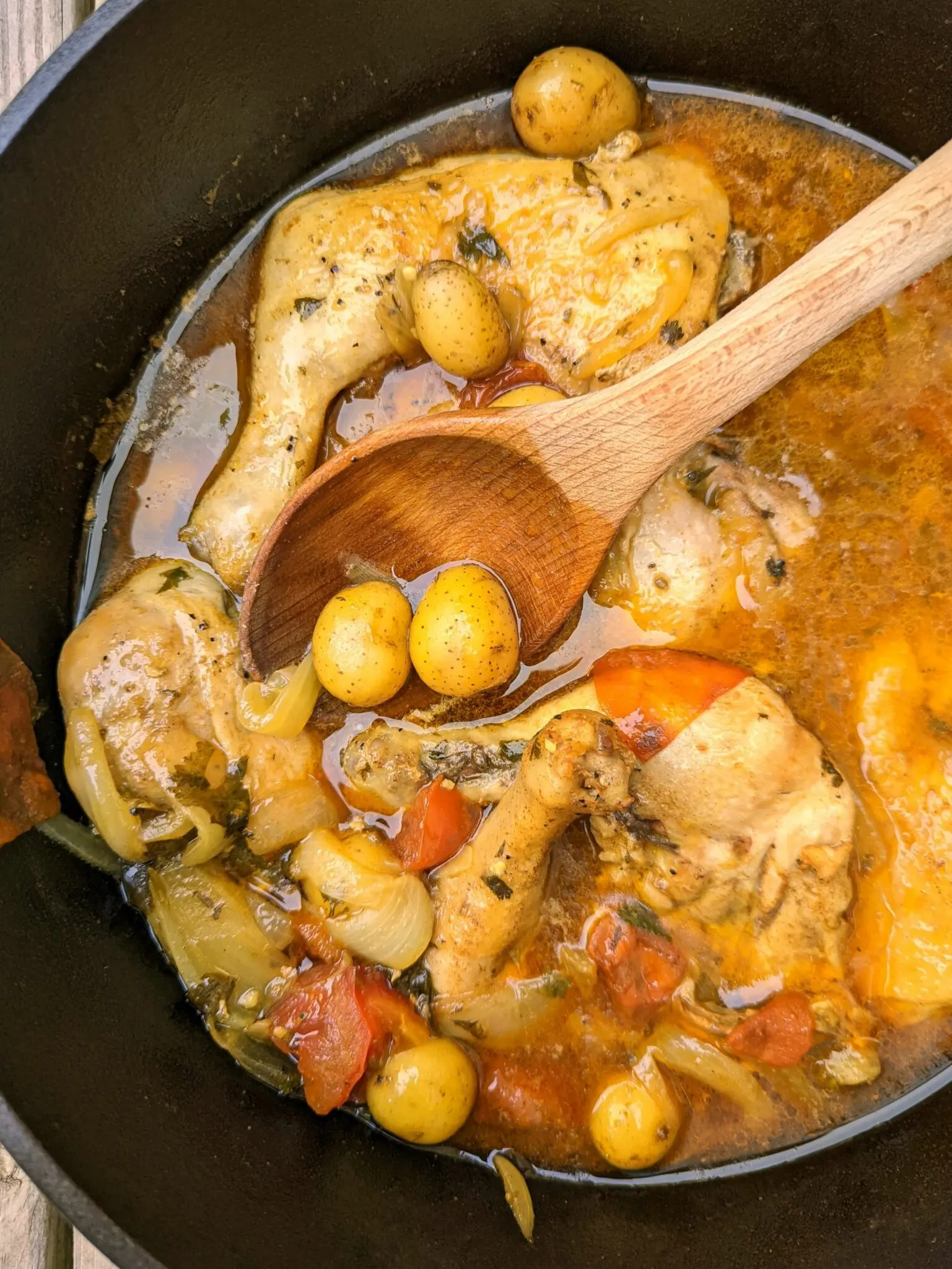
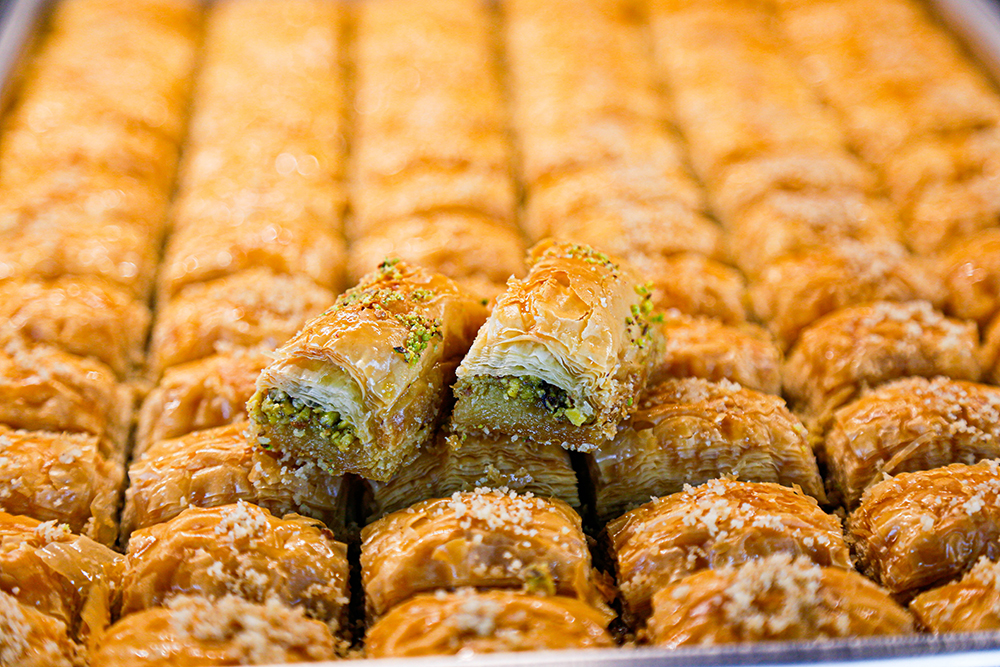
Ligurian cuisine could be described as both rich and poor. Rich in the diversity of its traditional dishes, and poor because these dishes are often accessible to everyone and can be prepared on a budget.
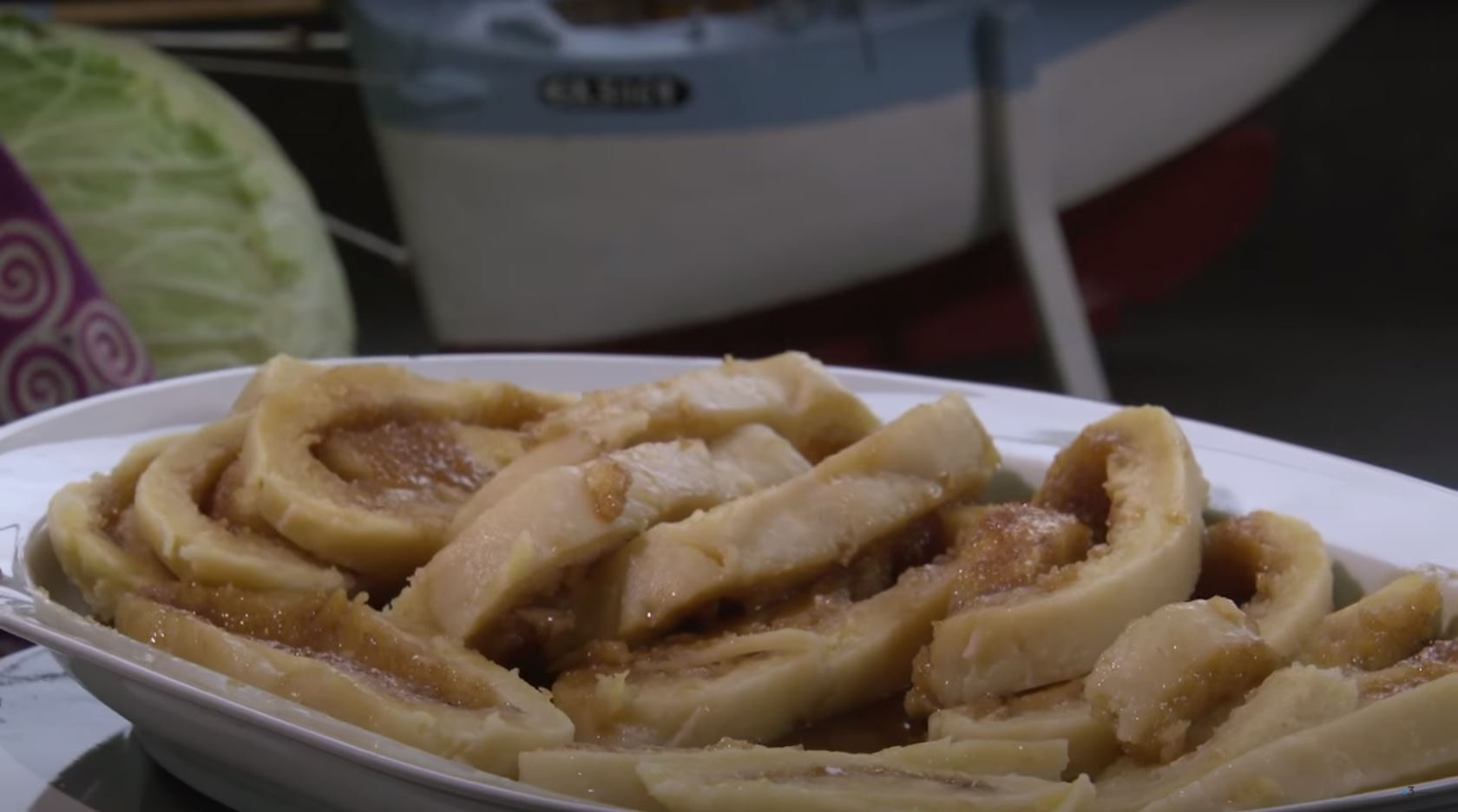
Zemin, focaccia col formaggio (typical of Recco), tocco genovese, farinata, gnocchi al pesto, torta di riso... Our students have collected more than fifty recipes from their families and communities, almost all of which are typical of the Liguria region.
Second phase: research work

The students conducted historical research to discover for themselves the origins of the dishes they collected and the ingredients they contain. This research was further developed by the Ursino team and then sent to food historian Antonella Campanini at the University of Gastronomic Sciences in Pollenzo. Antonella verified and supplemented this research, adding a wealth of fascinating historical information.
The students then had the opportunity to talk to the researcher via videoconference, who spoke to them about the role of cultural exchanges in the creation of culinary heritage and answered their questions.
This collaborative work taught the students how to conduct reliable research and turn to experts, both to verify their information and to discover another facet of their cultural heritage.
For example, they discovered that basil, the basis of pesto and a symbol of Genoa, originated in tropical Asia, the Pacific Islands, and India, and spread first to Egypt, then to ancient Greece, before reaching the Roman Empire.
The first written records of Genoese basil, which has since become a global benchmark with its unrivalled flavor, date back to 1864.
Become a volunteer
Become a volunteer
Join
Join
Make a donation
Make a donation
Third phase: Meeting with the chef and handover
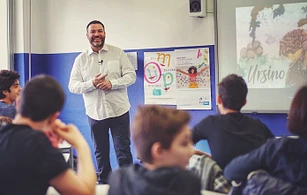
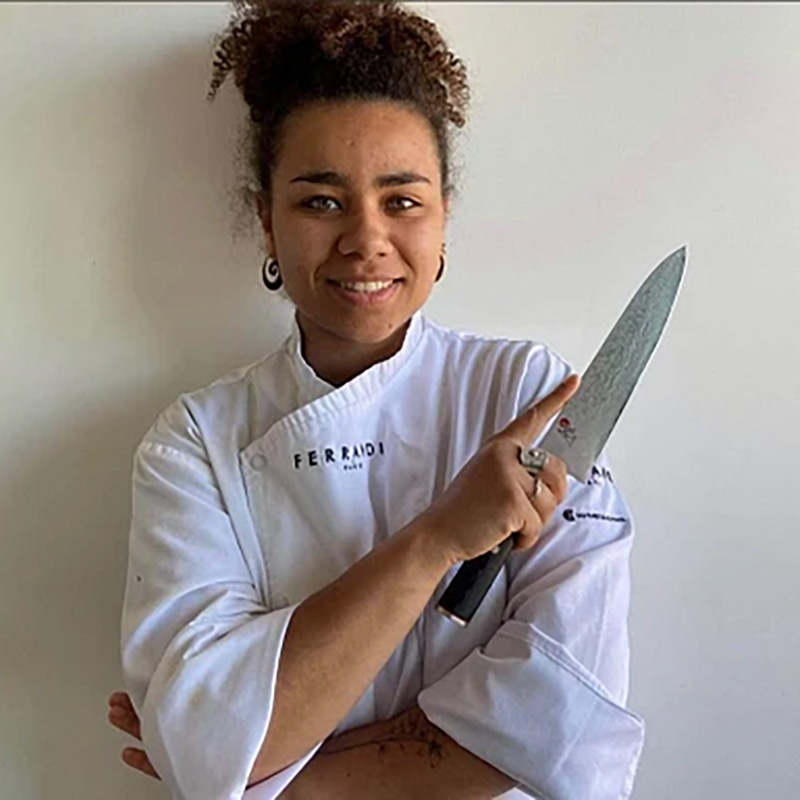
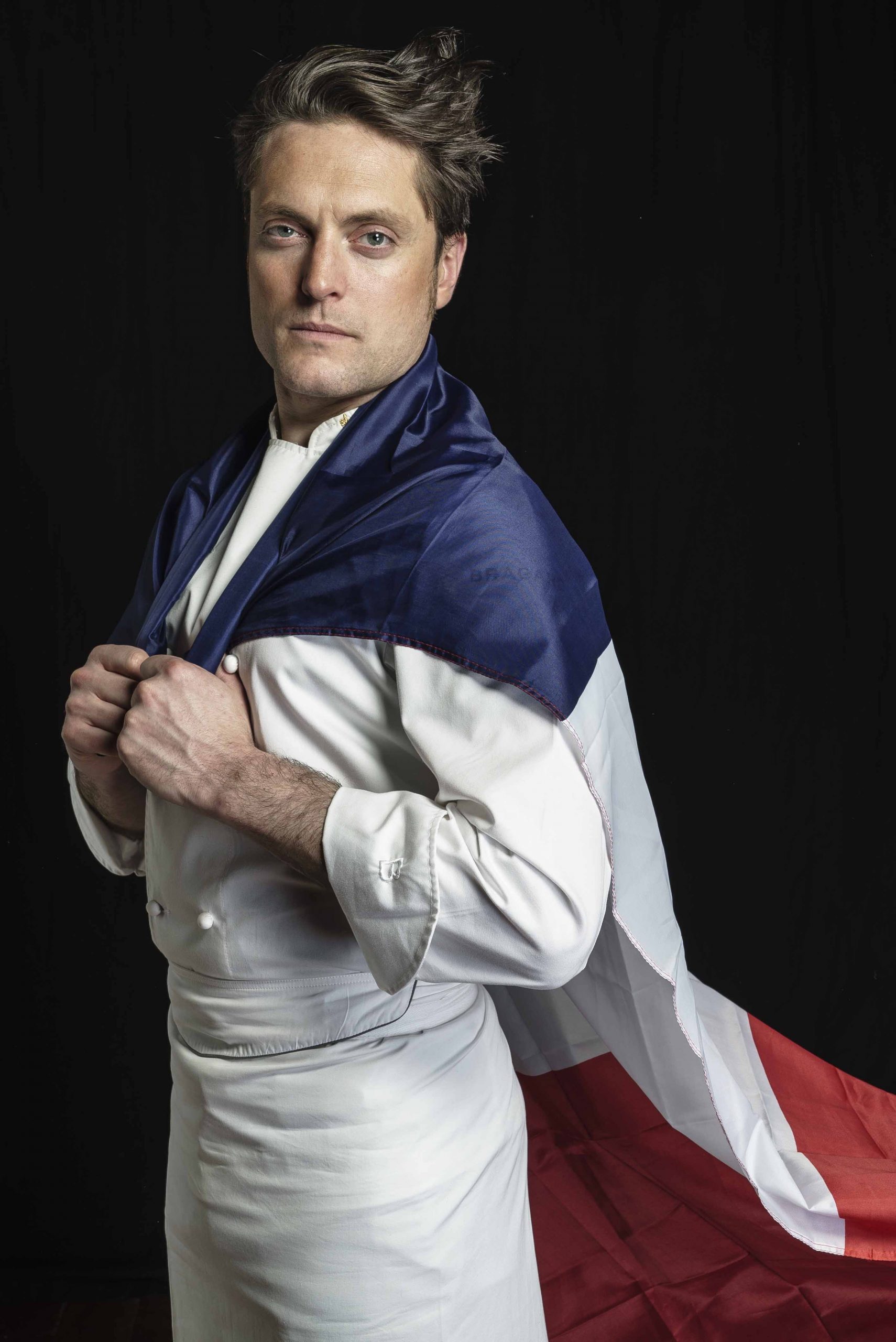
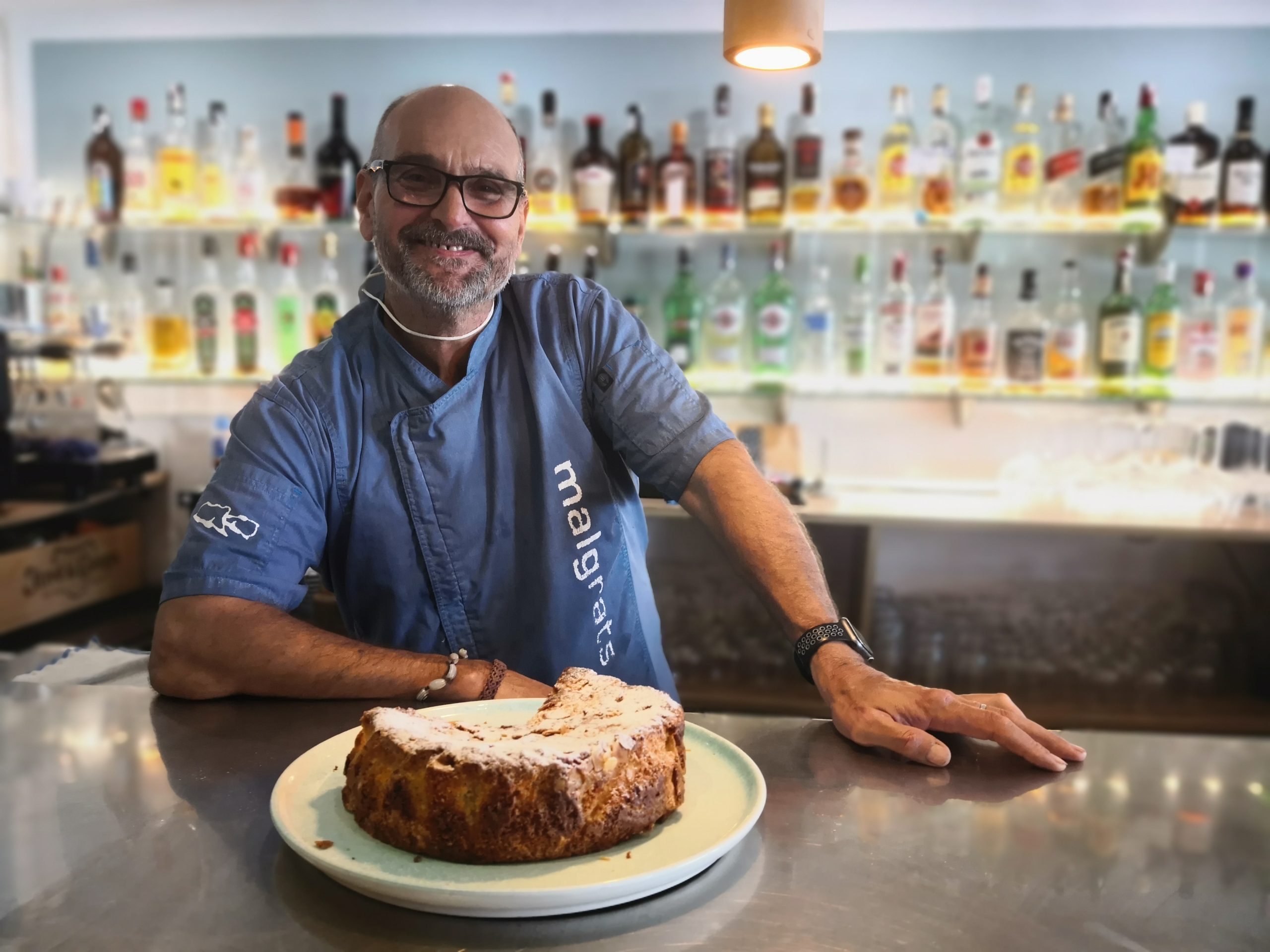
The students then had the opportunity to meet Chef Maurizio Pinto from the Voltalacarta restaurant, a local ambassador for the Ursino project. He talked to them about his career, the profession of chef, and the importance of travel in his approach to cooking. There were many questions and the students' interest was palpable. Chef Maurizio encouraged them to contact him again in the future, especially if they were interested in discovering careers in gastronomy. His simple, unpretentious and passionate approach to cooking was a real delight!
Finally, with Simon Guyomard (Spoon Productions), the students made videos to share their culinary and historical discoveries with students from other countries and with their community. They will be edited shortly and we will share them with you as soon as they are online.
We are very pleased to have been able to carry out the Ursino project in Genoa.
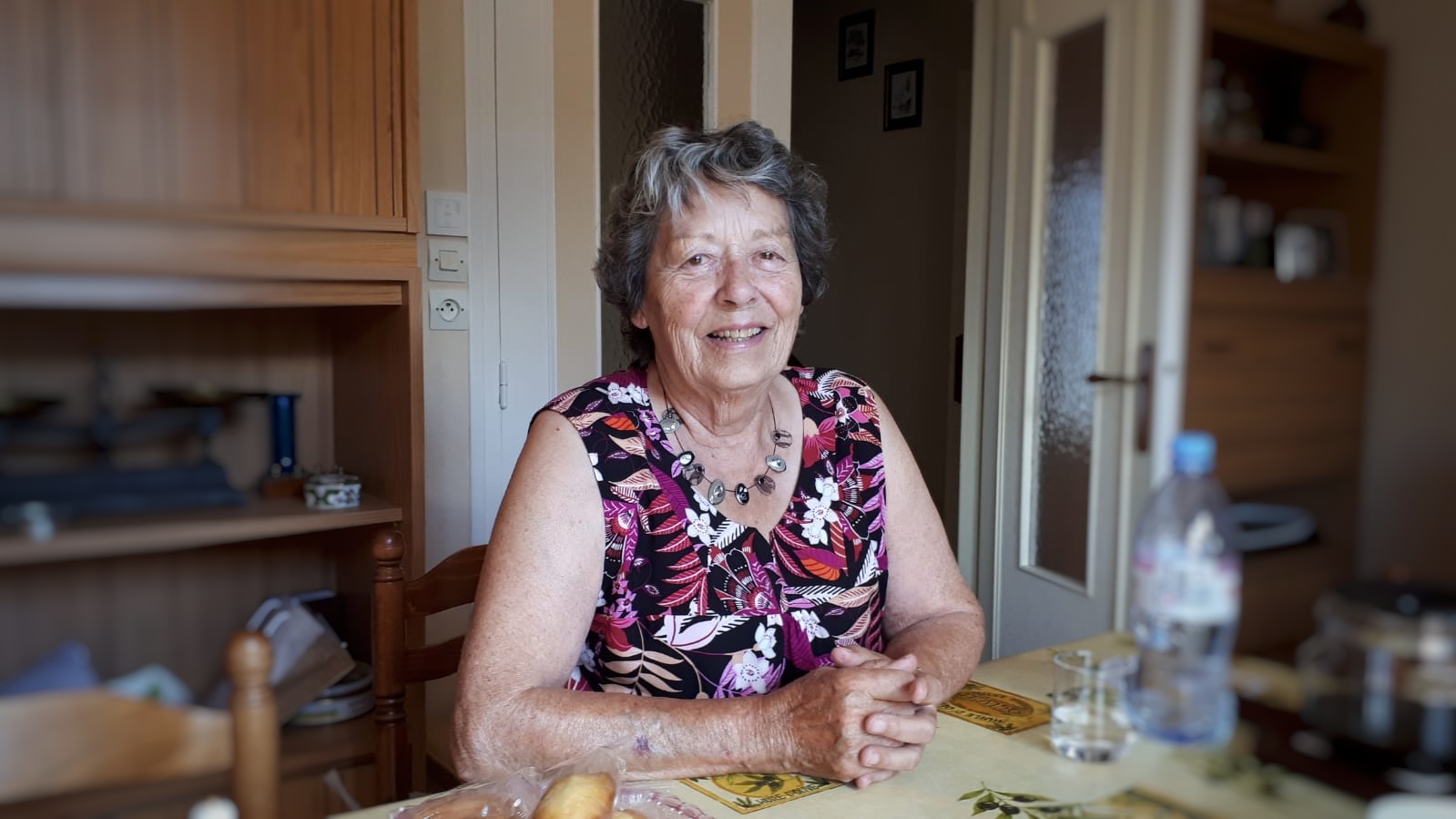
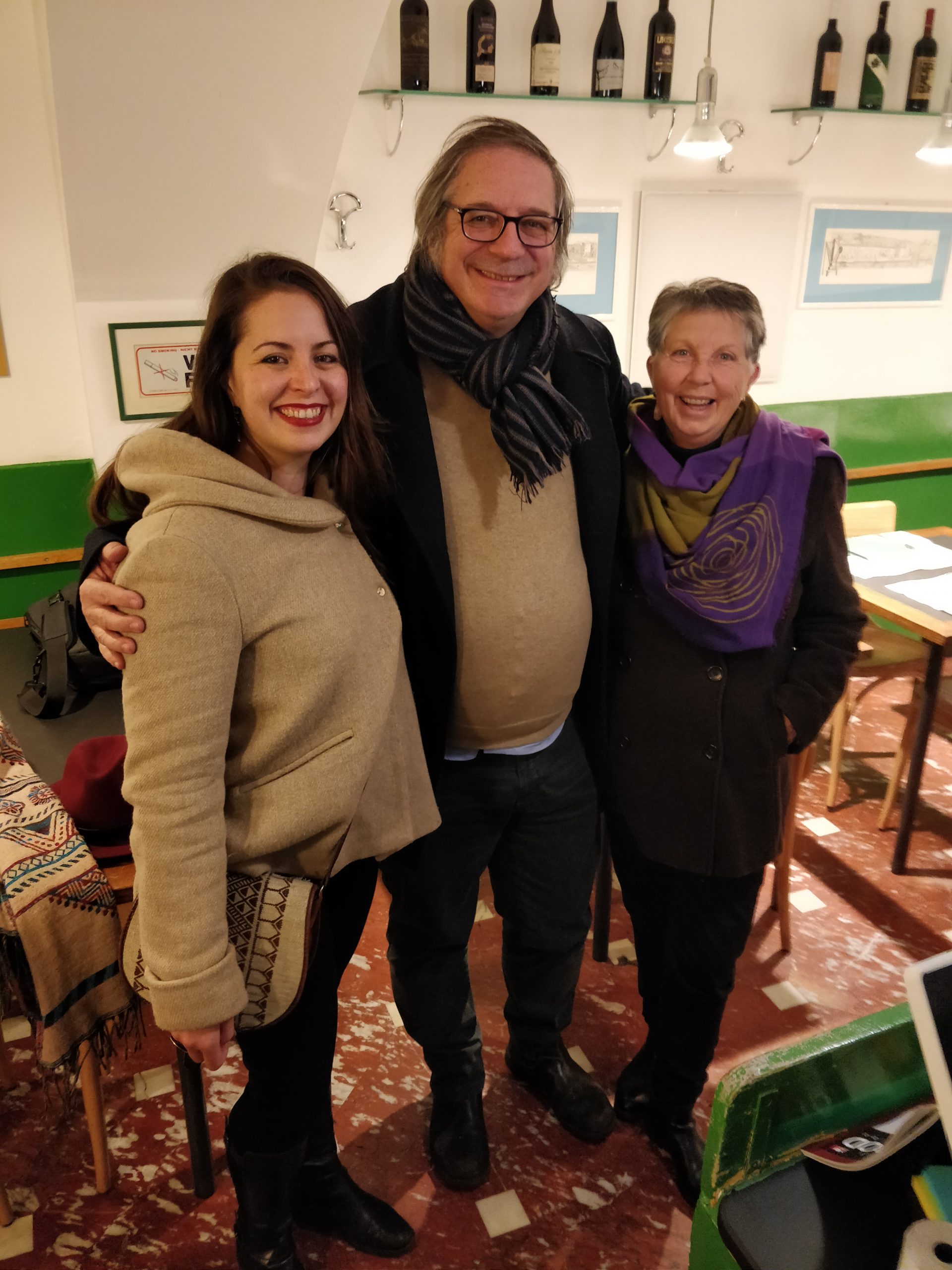
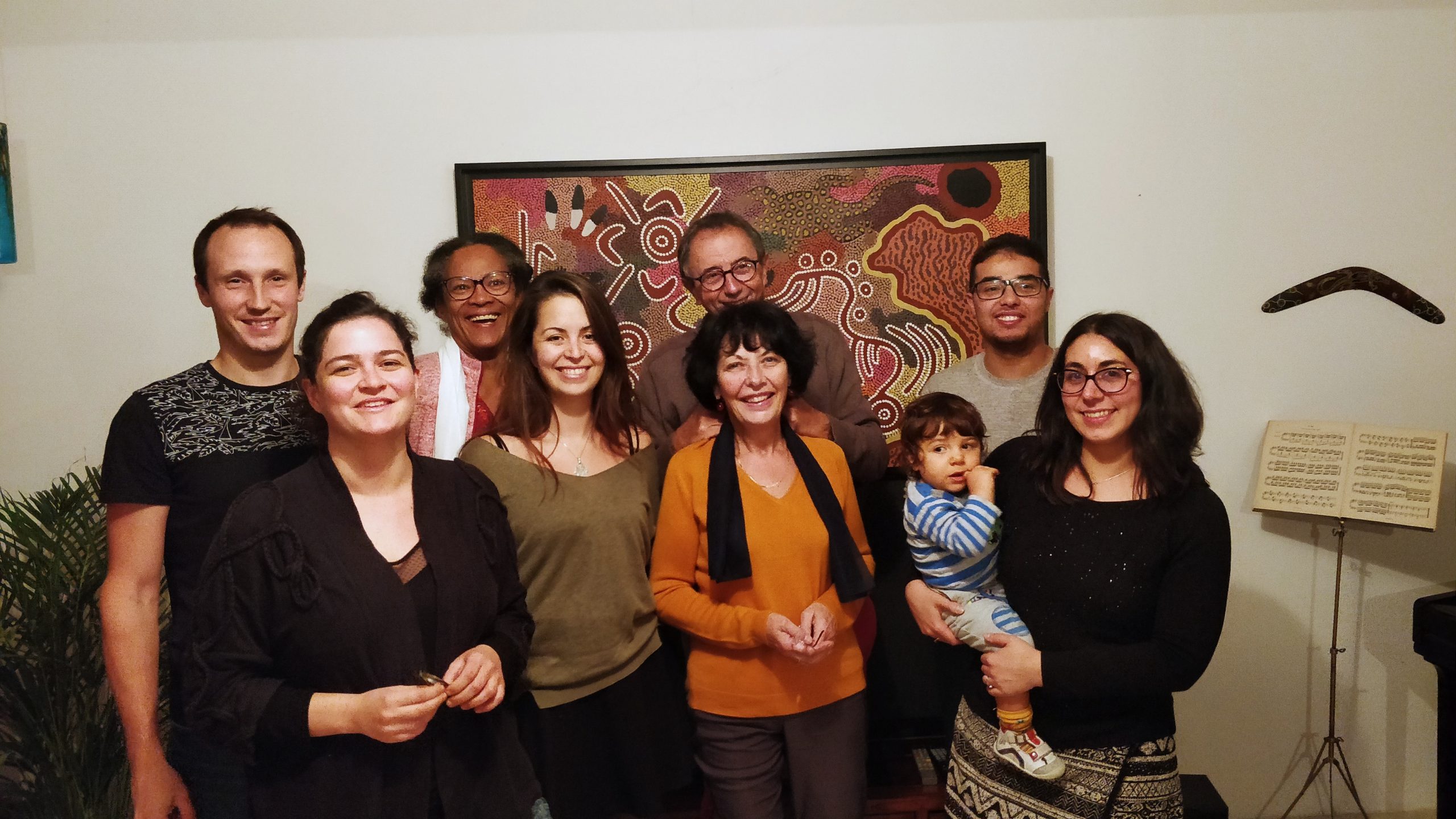
This was only possible thanks to the invaluable help of many people. We would therefore like to thank Marialuisa Villa and her students at the Collège de Recco for their enthusiasm and warm welcome, Chef Maurizio for his help and positive energy, Antonella Campanini for her kindness, responsiveness, and incredible involvement in the project, Alessandra Pierini for her numerous tips and contacts, those who helped collect recipes (especially Giuseppina and Tina, the grandmothers of two of our students), Alda for her kindness and everything she showed us, the Alliance Française for its invaluable help in finding a school, Roberto Panizza for his time and everything he taught us about pesto genovese (video coming soon!), Giuseppina and Roberto for welcoming us into their home and teaching us how to make traditional focaccia col formaggio, and the local Couchsurfing team for their hospitality and joie de vivre!
A huge thank you, of course, to Annarita for volunteering her time and boundless energy for this Italian phase of Ursino; without her, it would not have been possible. Finally, thank you to Simon, of course, who continues to support us in these slightly crazy projects and allows us to share all these beautiful images with you.
Contact us
All articles