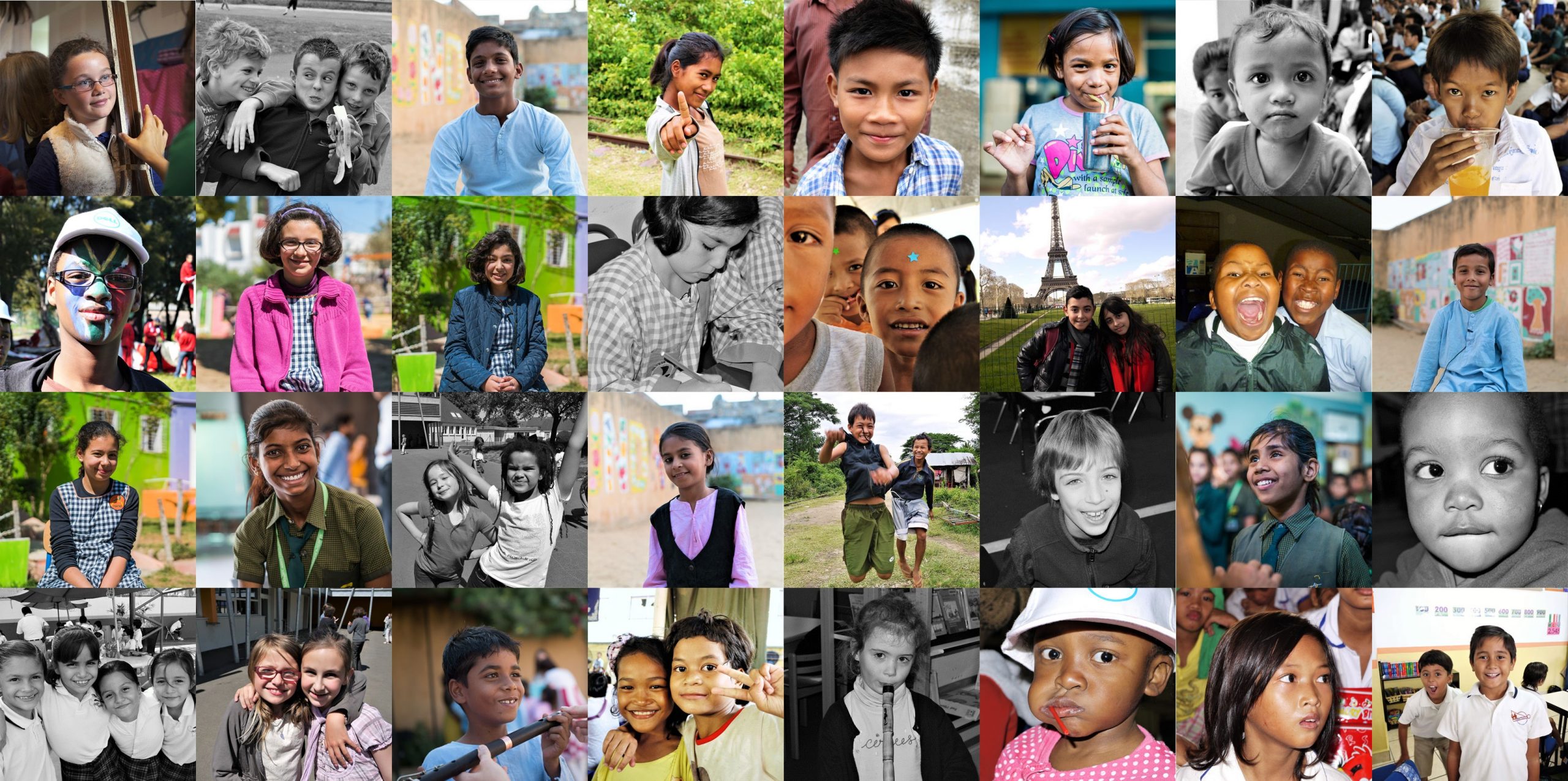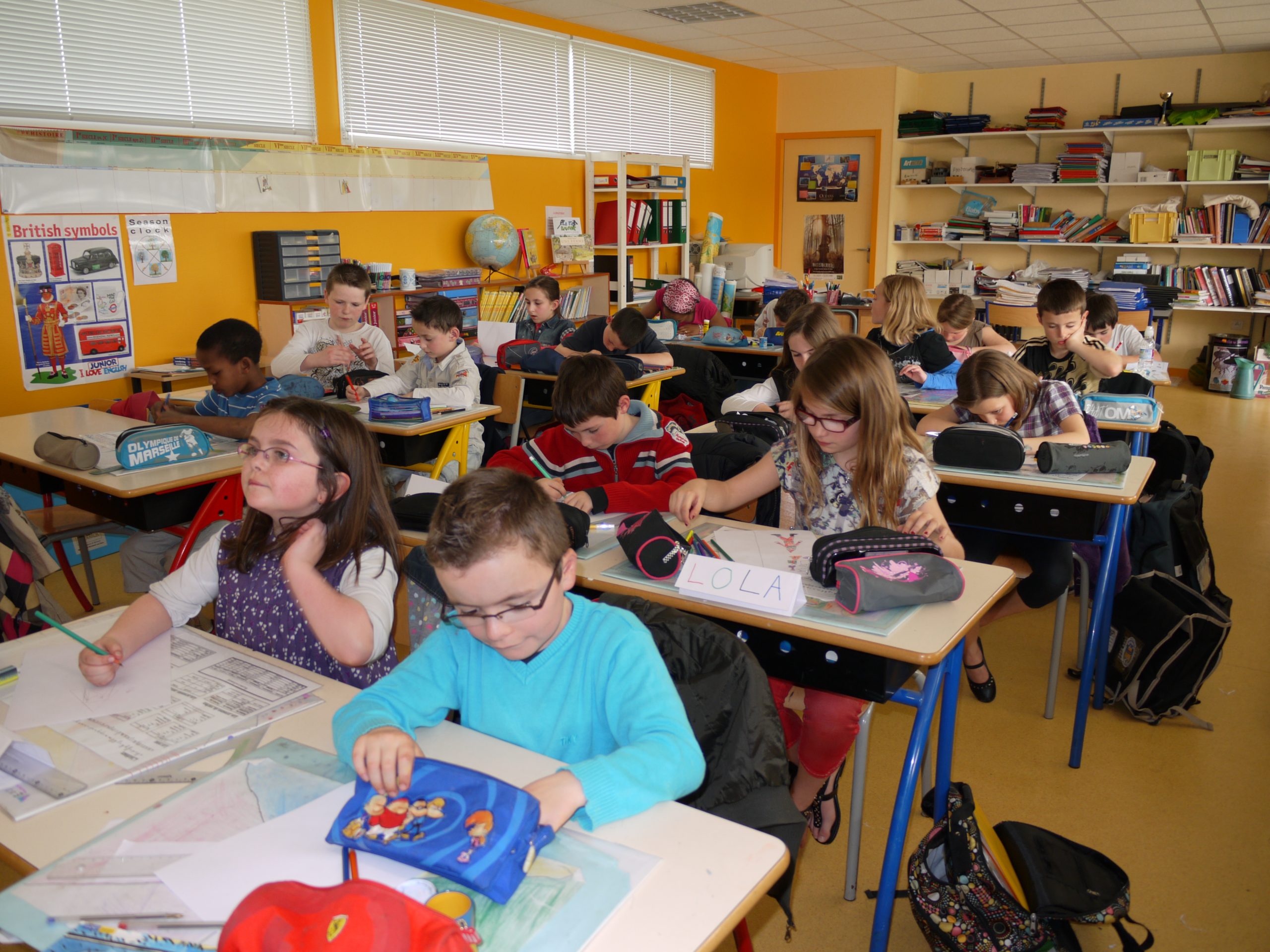
Are you wondering how to help your children, or the children you look after, discover the world?
Are you looking for ideas for activities to keep them busy after curfew, or simply on Wednesday afternoons or weekends?
Would you like to broaden their horizons at a time when our freedom of movement (and theirs!) is so limited?
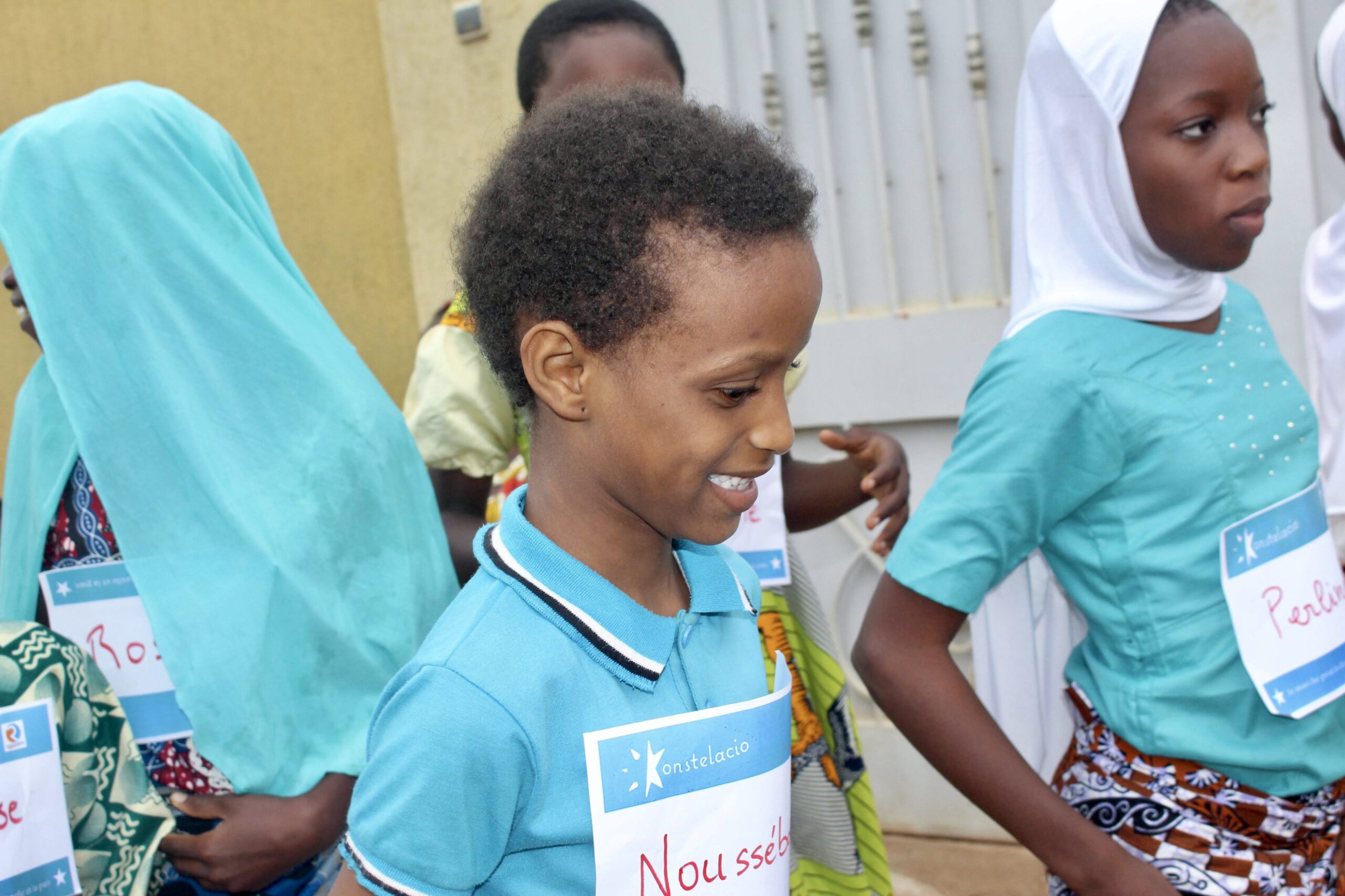
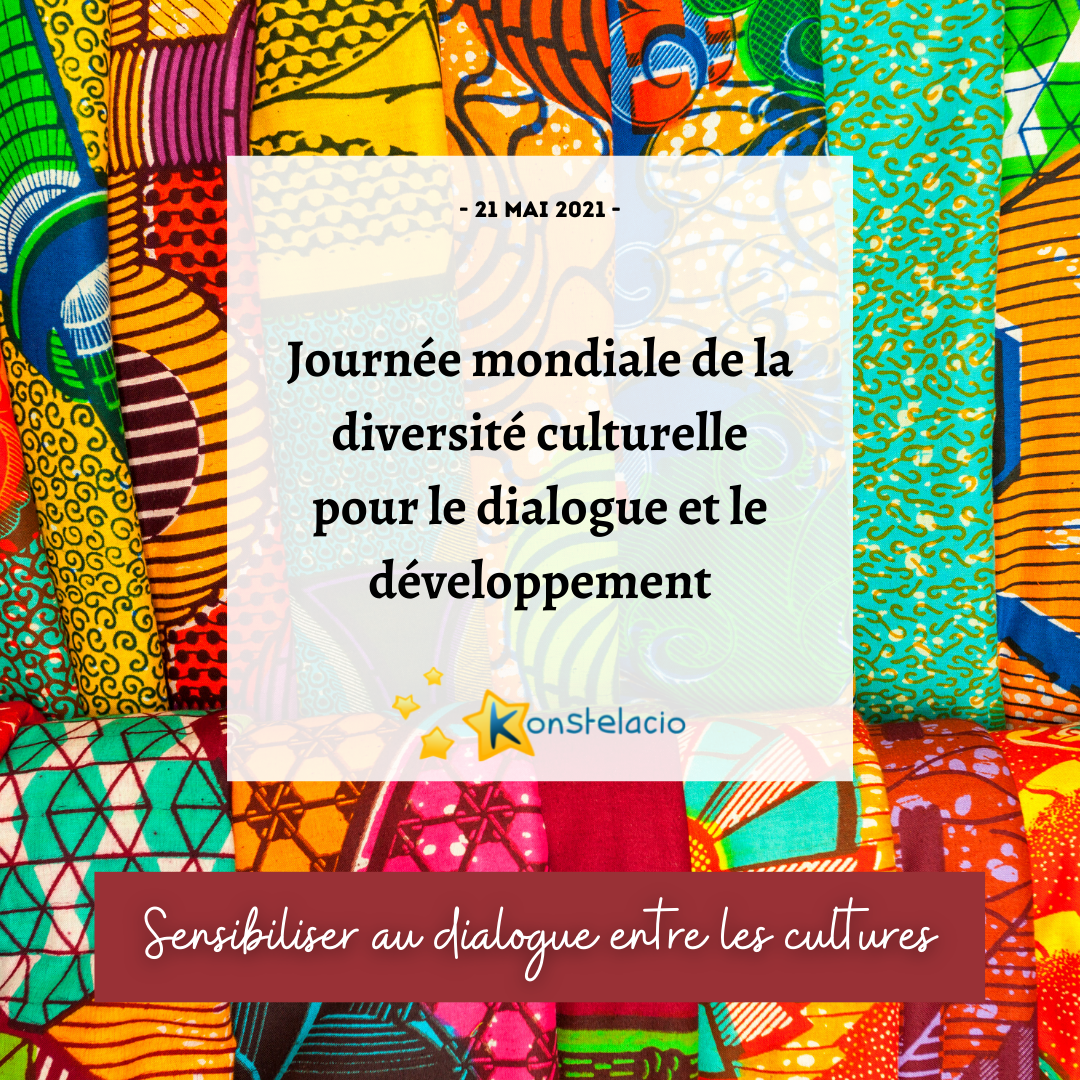
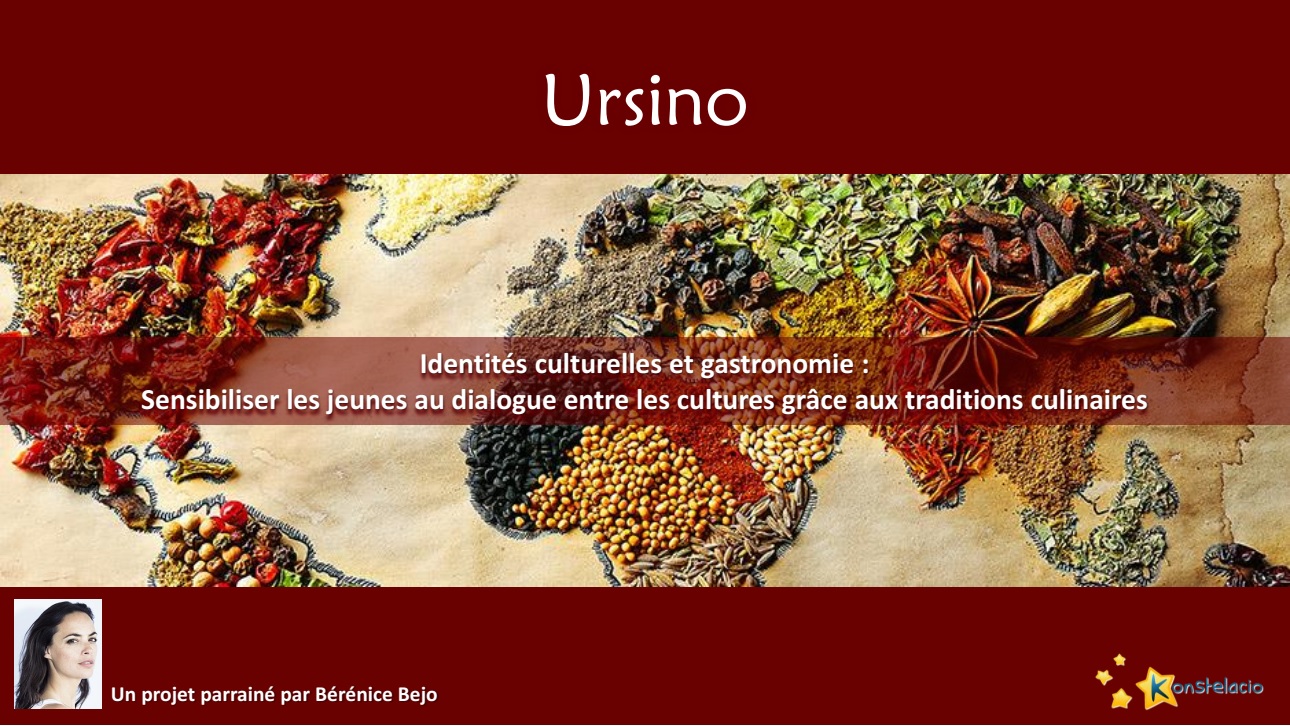
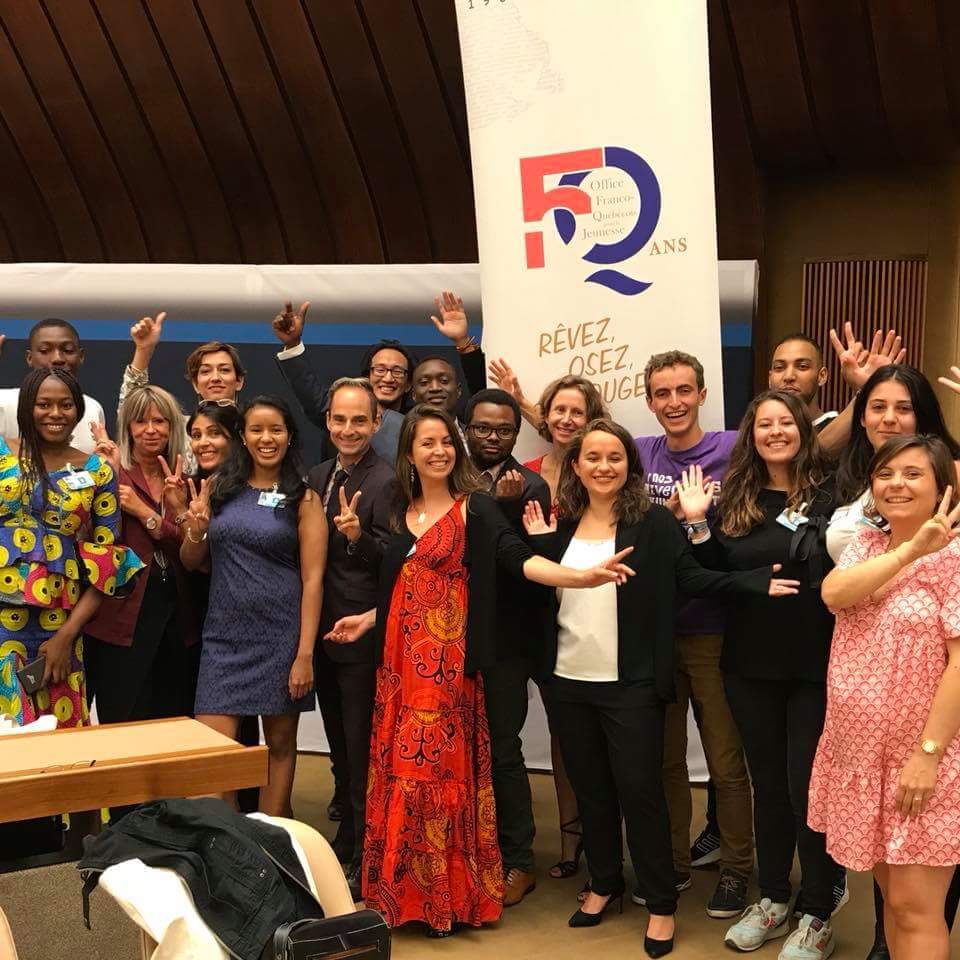
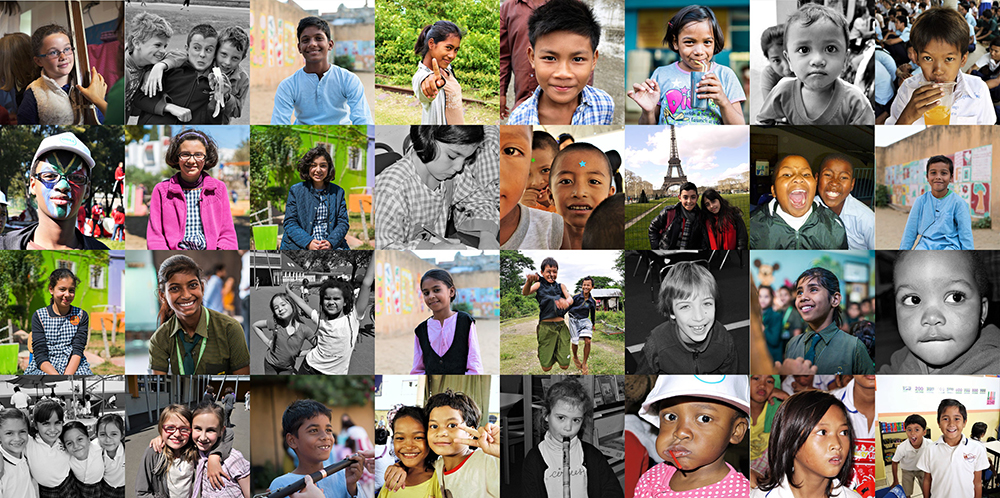
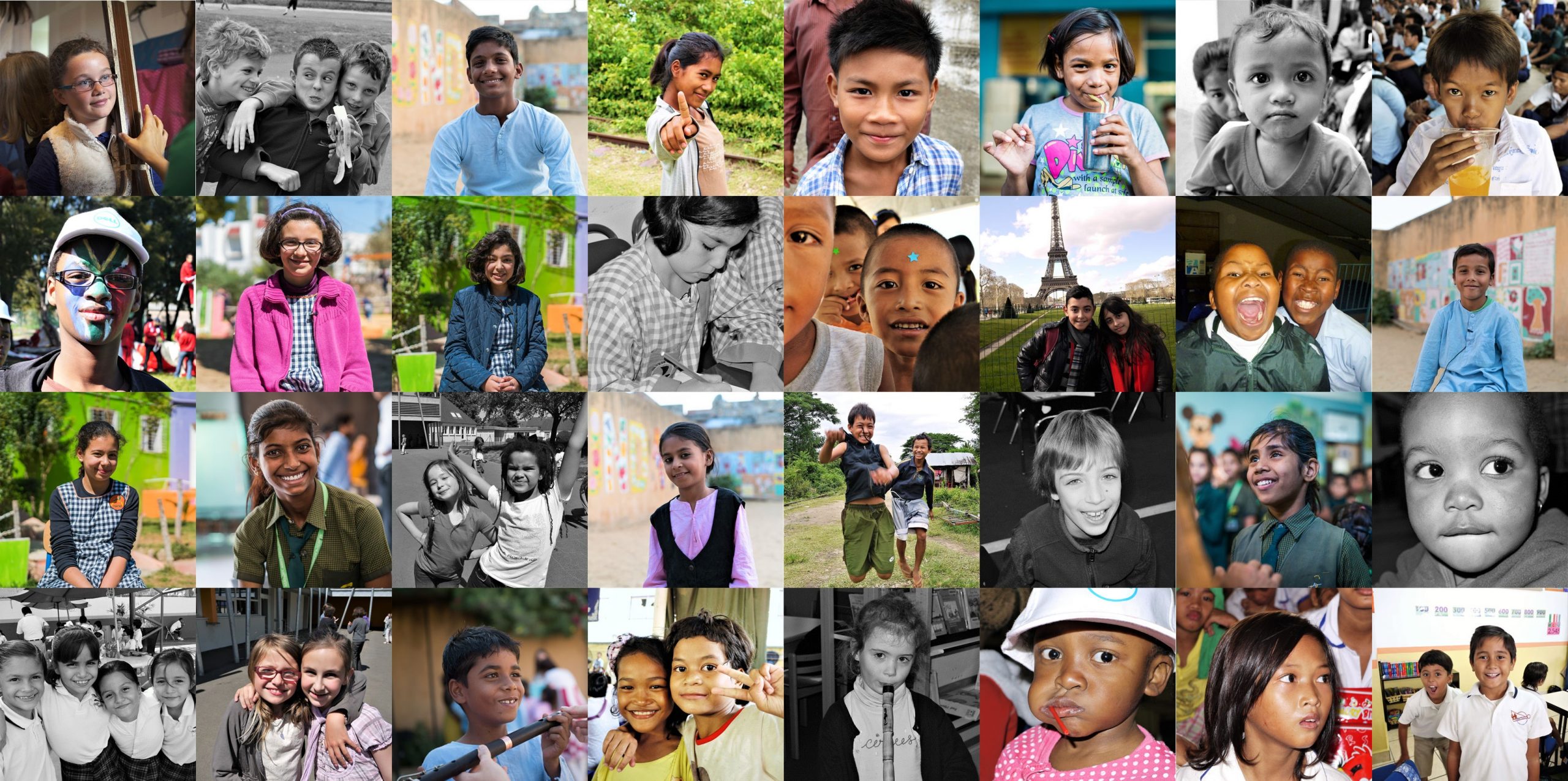
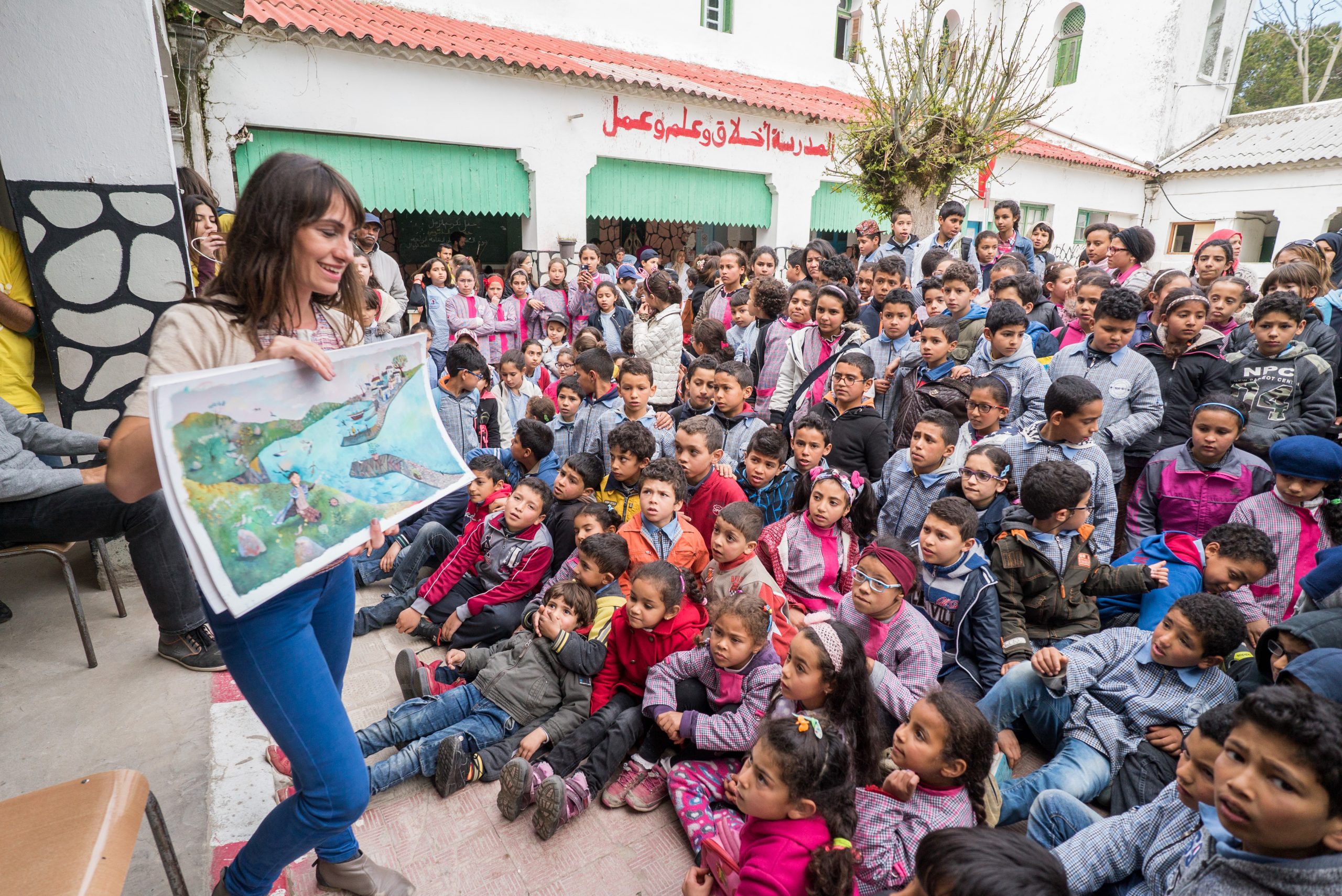
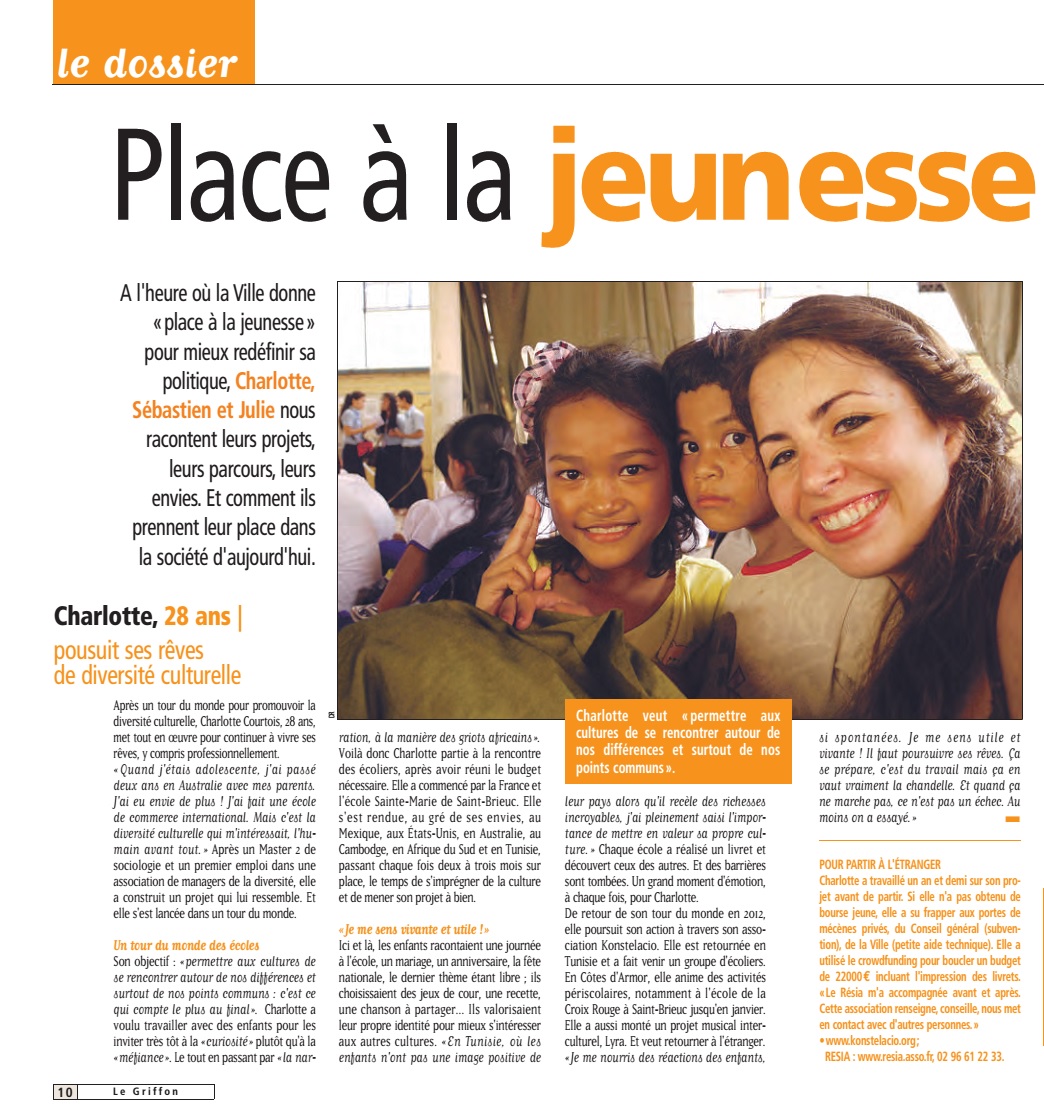
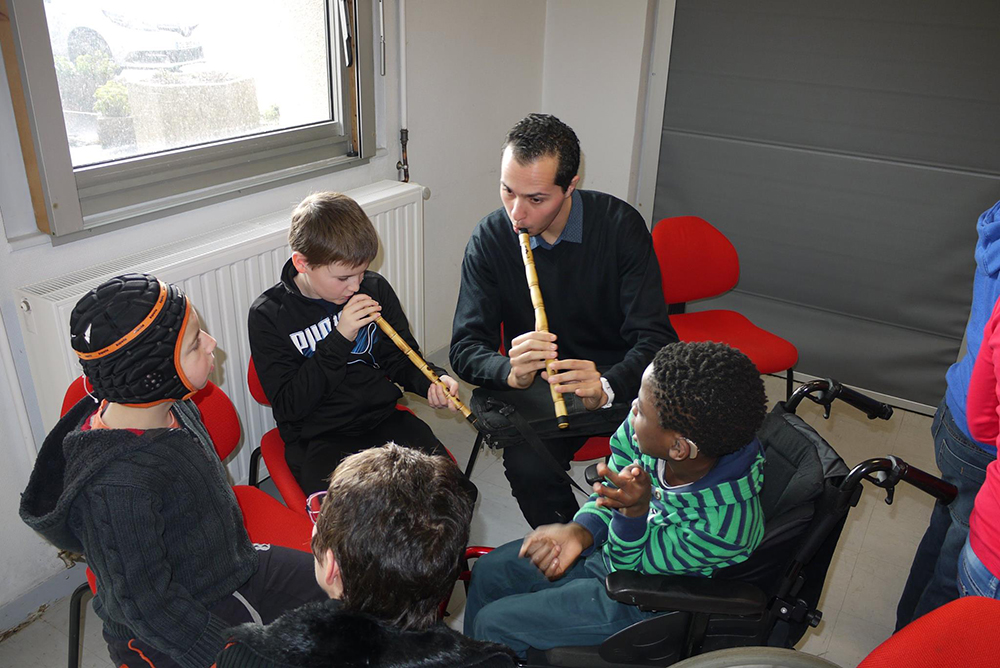
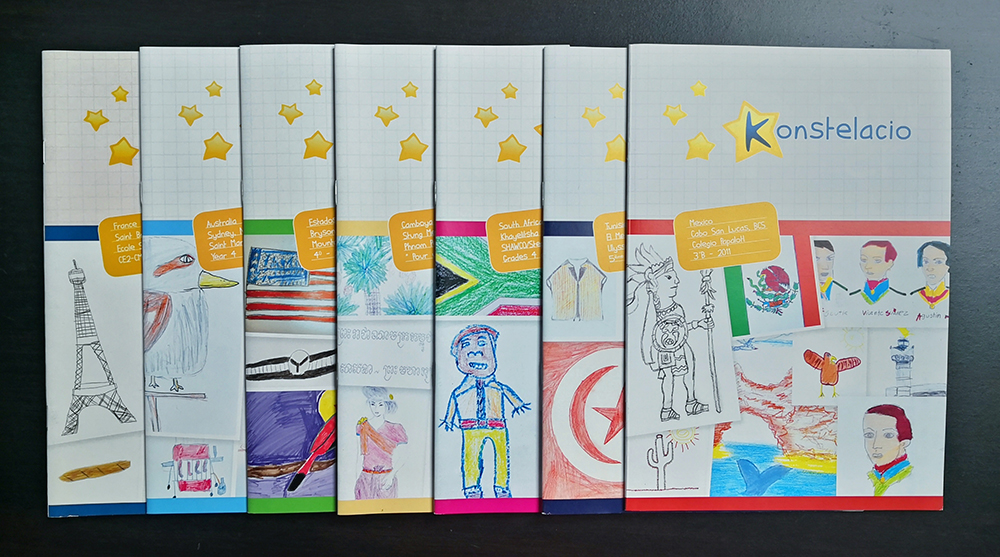
At Konstelacio, we have been using tools and activities around the world for 10 years to help children discover the beauty of cultural diversity. We firmly believe that discovering others allows us to better understand our own cultural identities, and that knowing ourselves better allows us to approach otherness with more curiosity and less mistrust.
Here are a few ideas for activities from our educational workshops that you can suggest to your children to awaken their awareness of diversity.
Music
To help them relax, let off steam, and express their feelings through movement, why not introduce them to traditional and popular music from different countries?
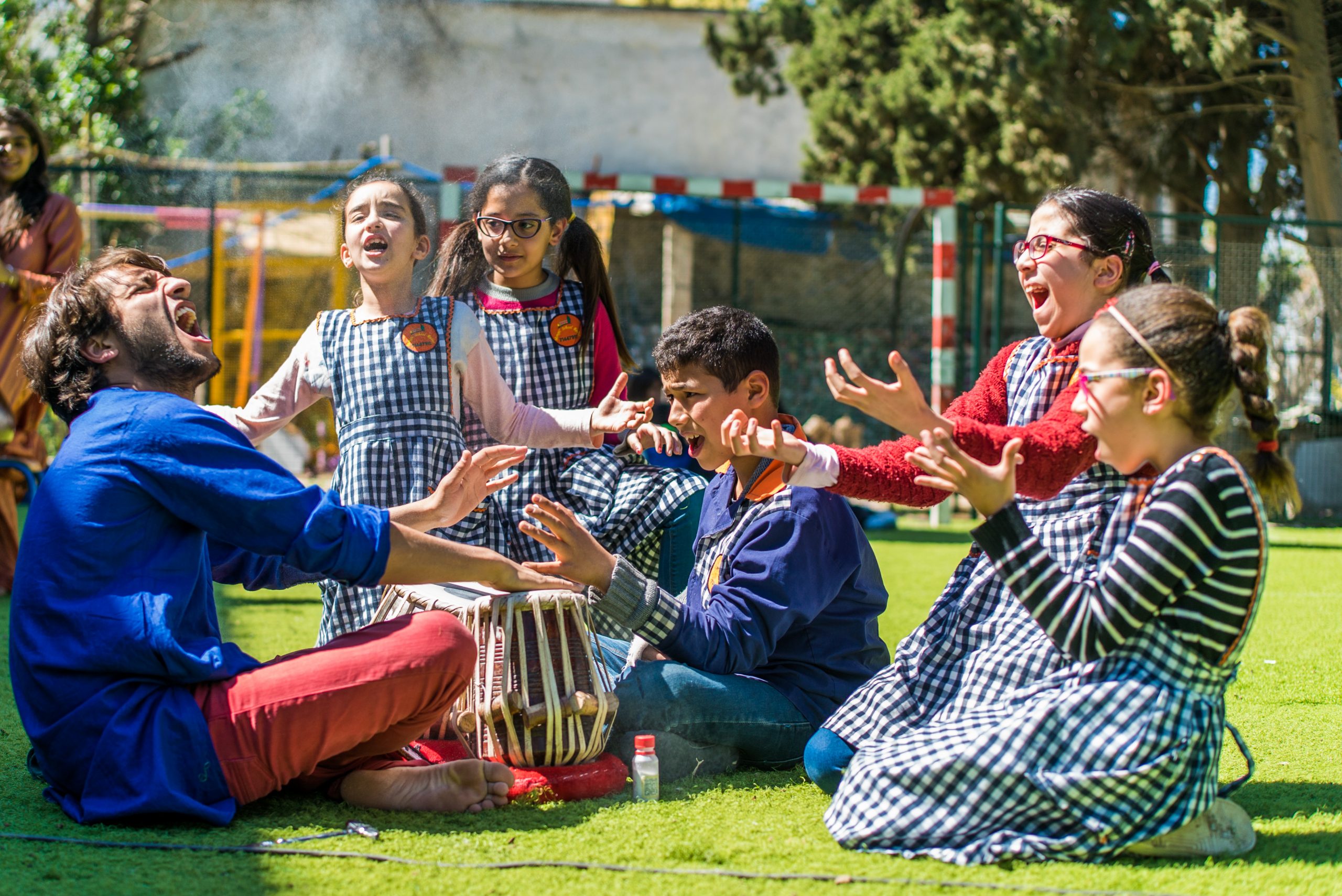
In our workshops, we like to alternate between quiet moments and times when we encourage our young students to move around and let off steam. Music allows us to do all this, but it also introduces children to new melodies and new languages.
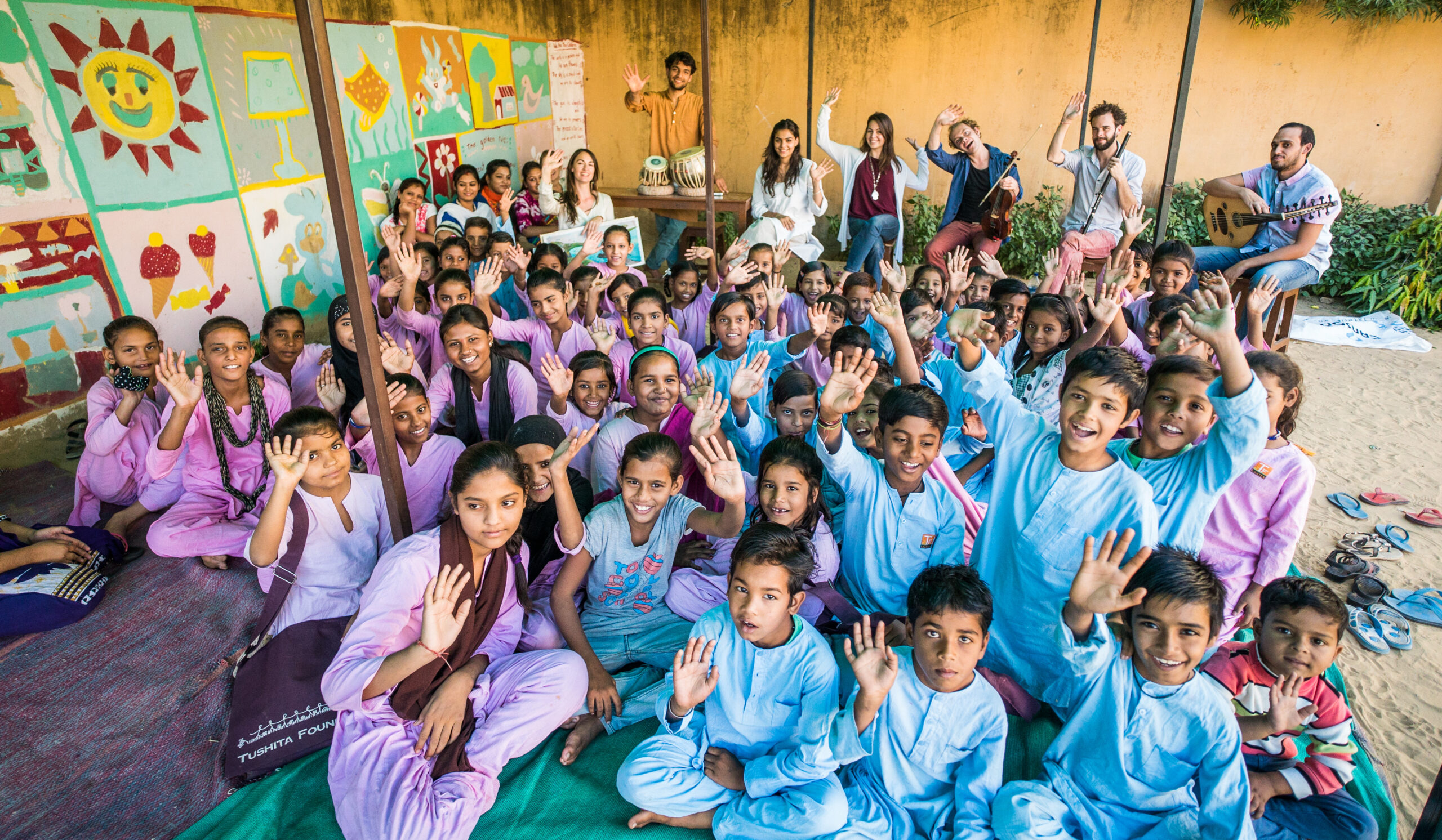
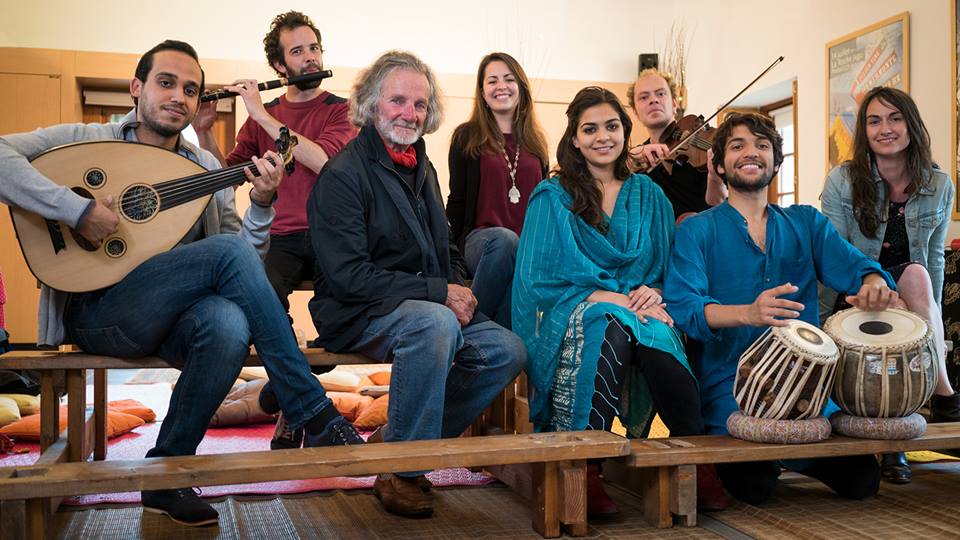
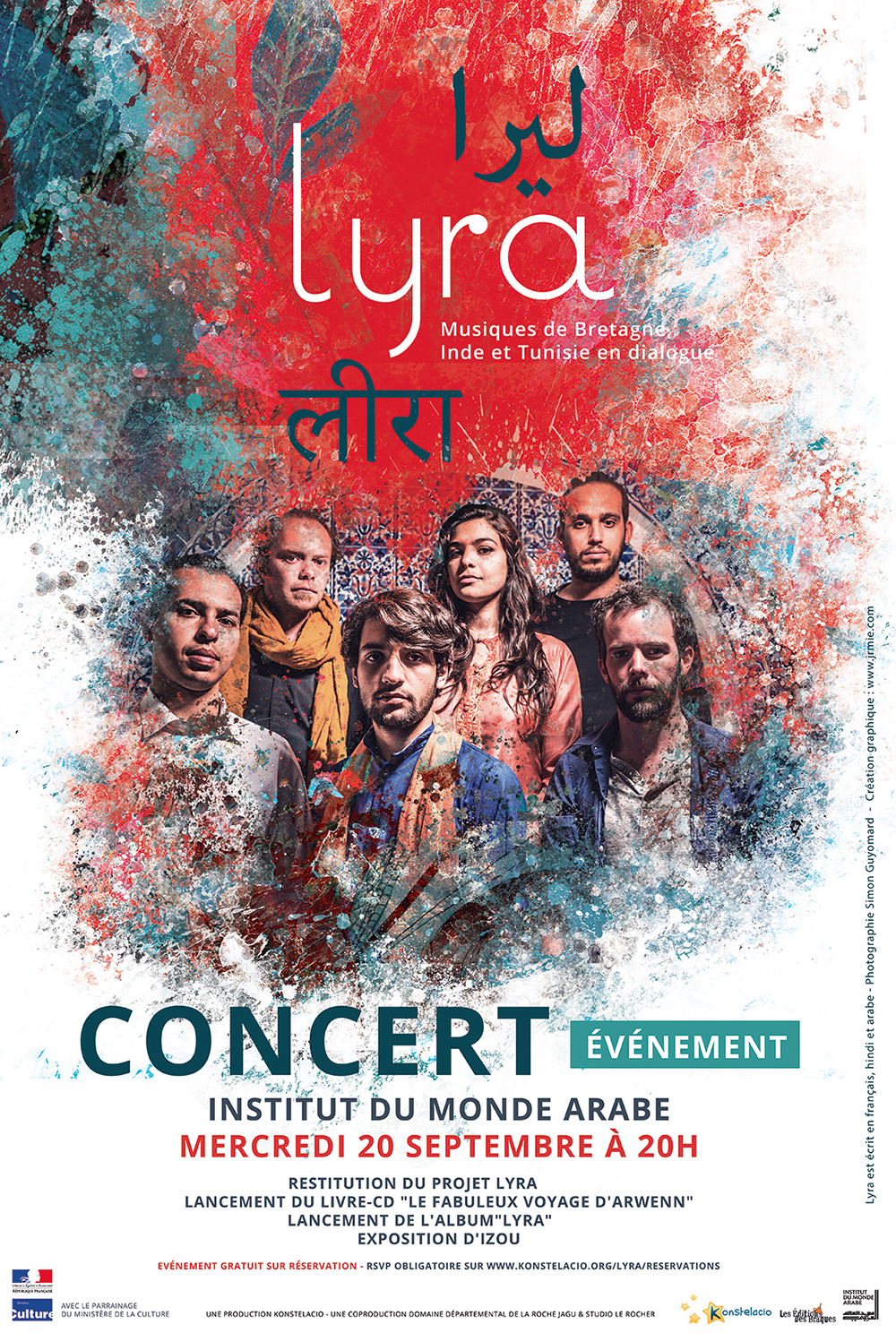
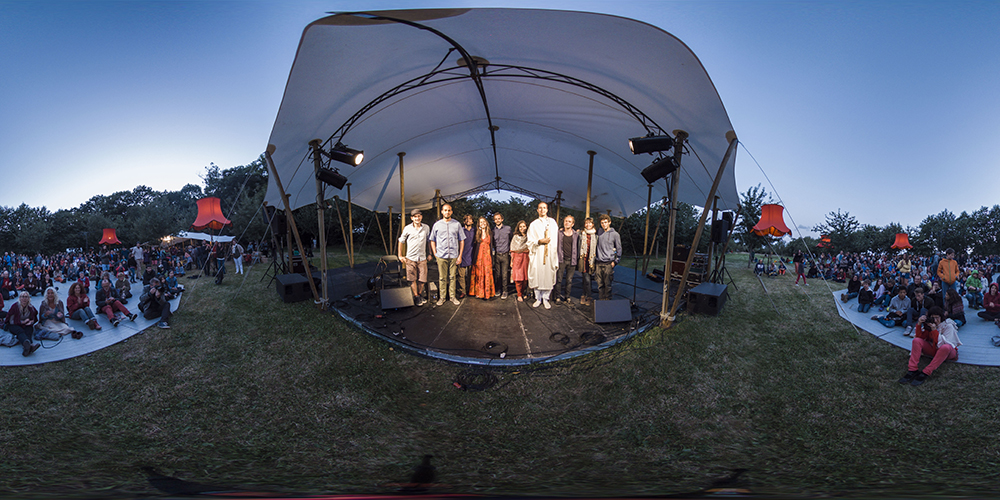
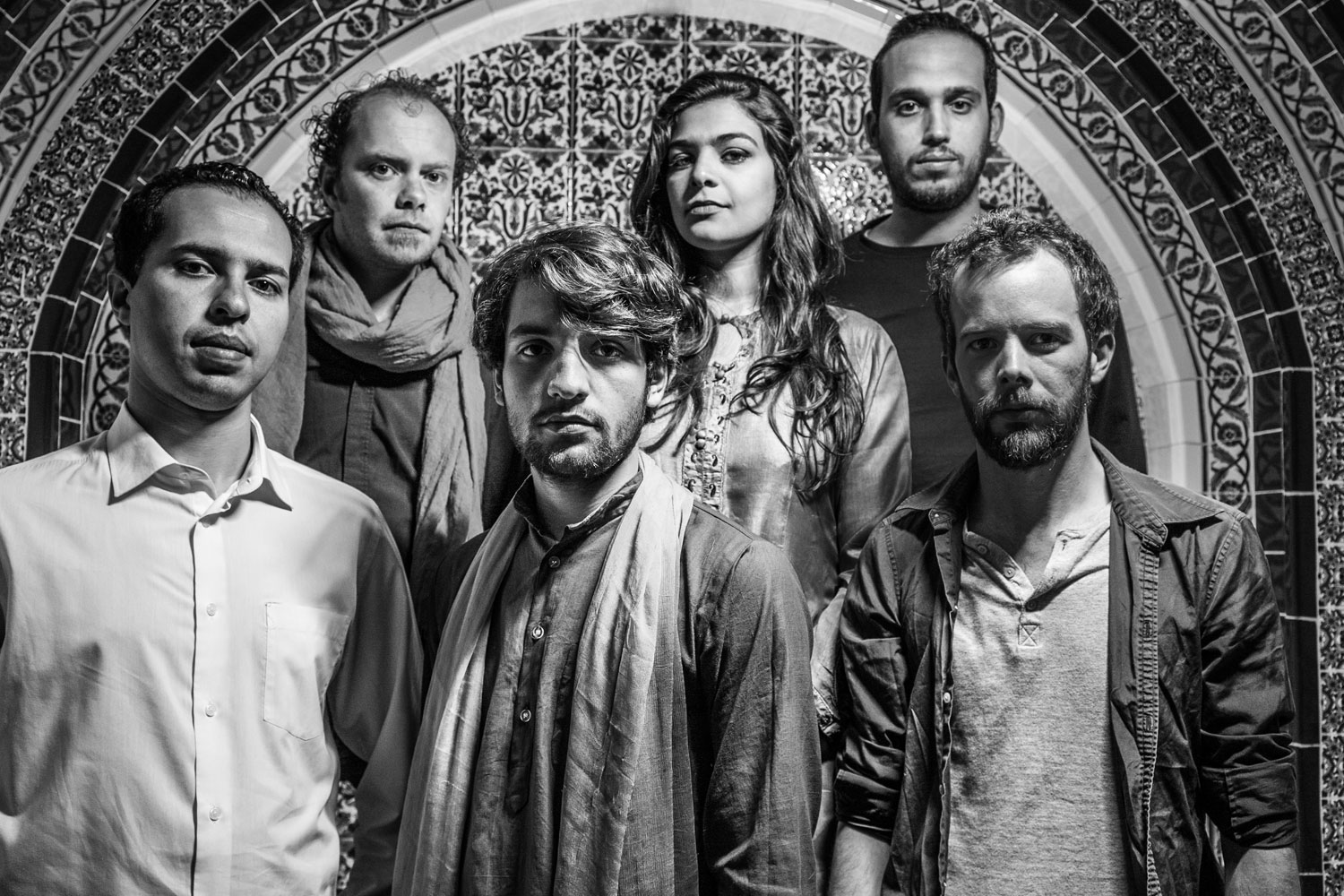
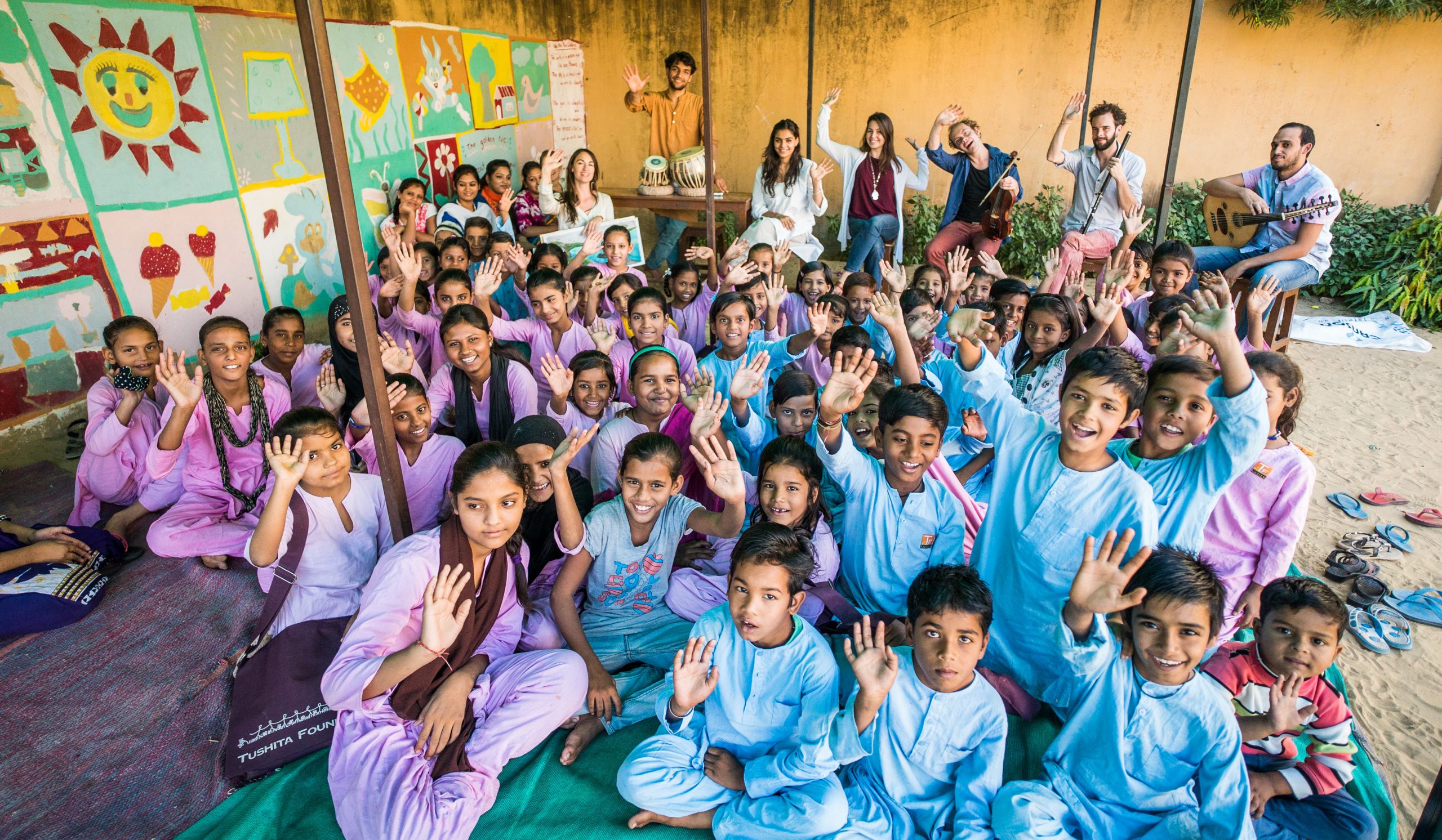
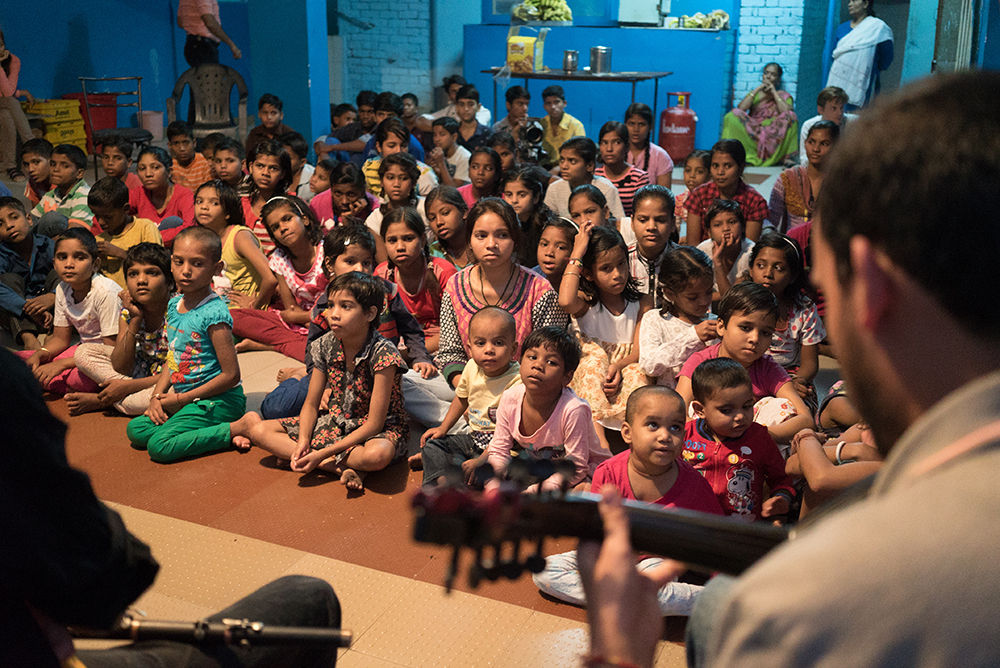
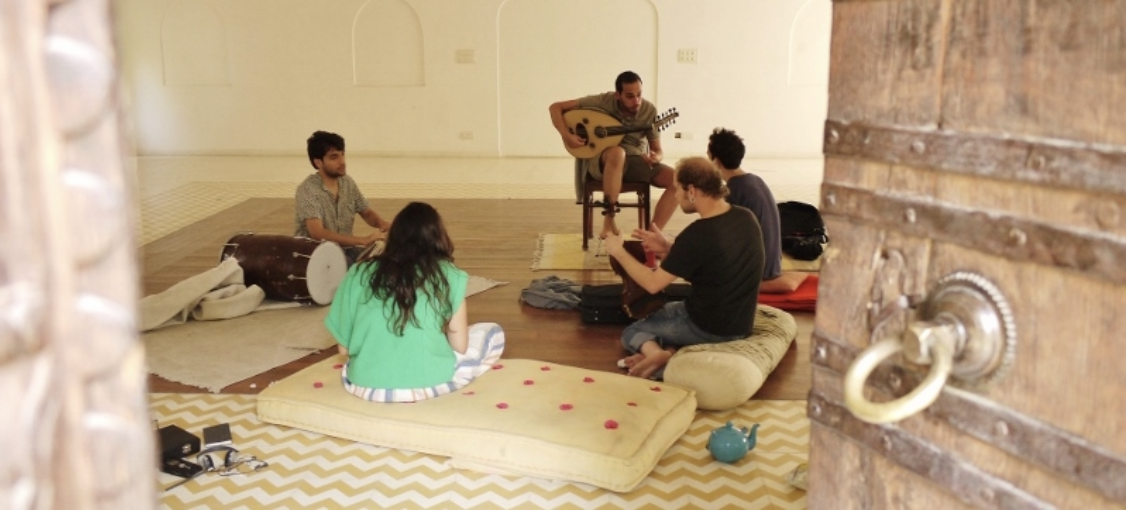
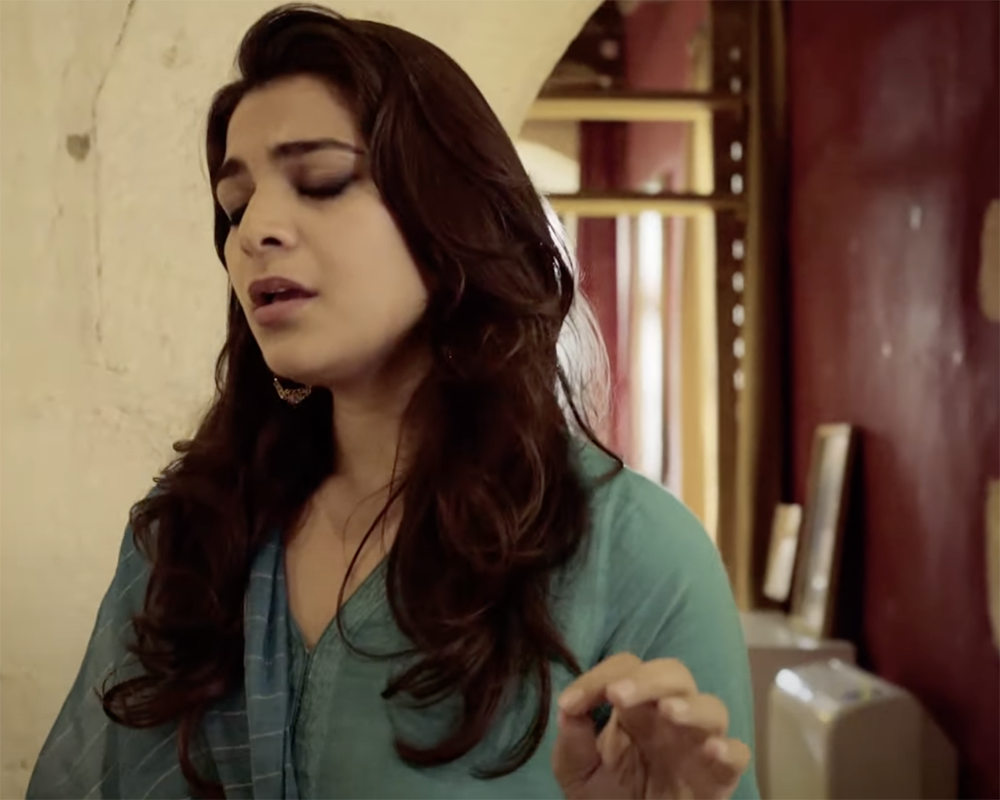
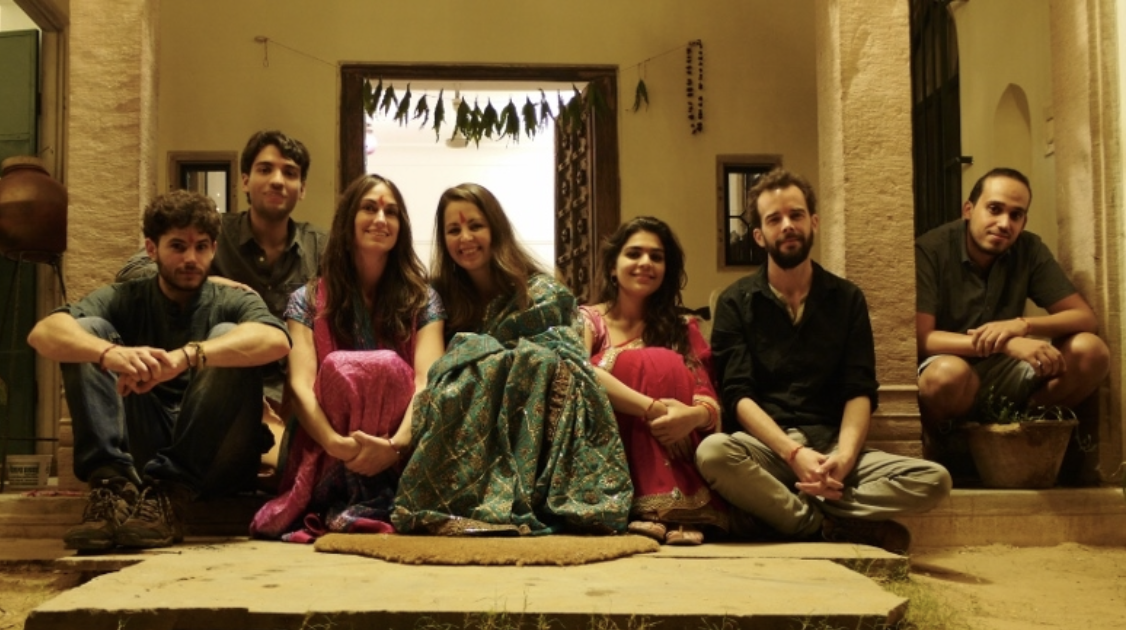
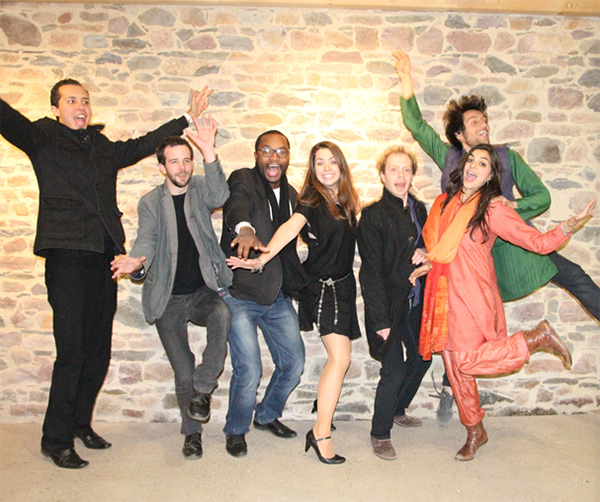
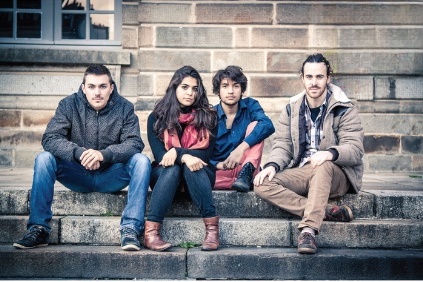
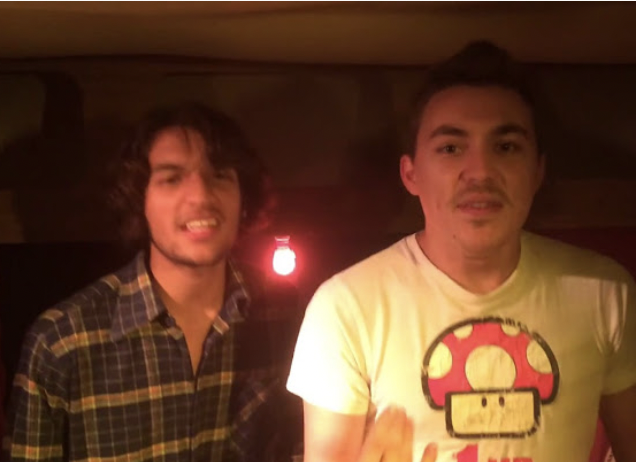
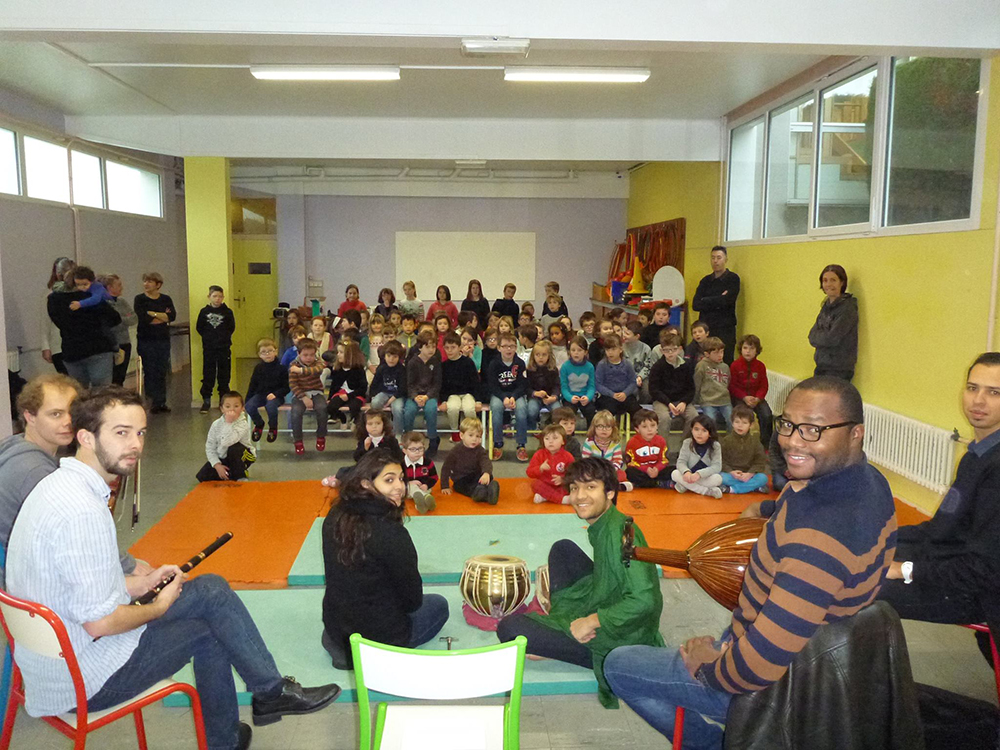
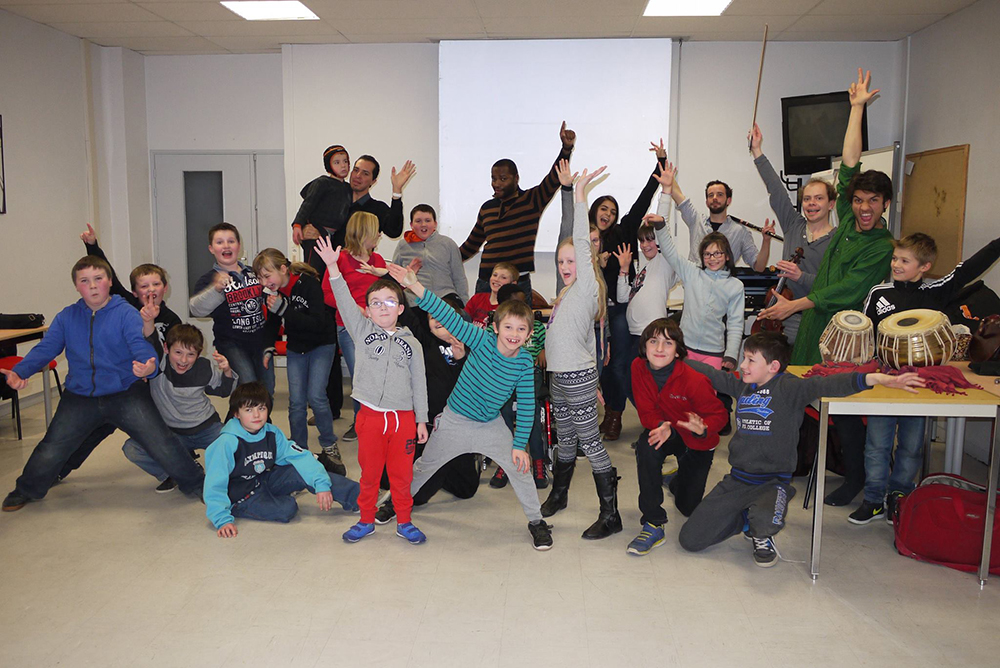
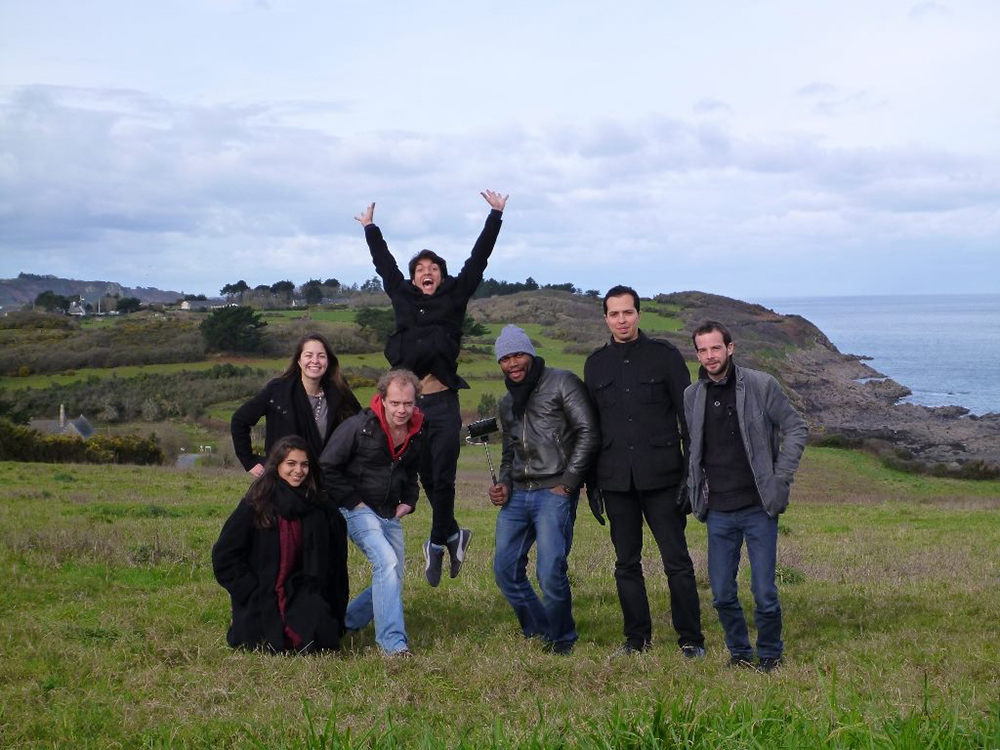
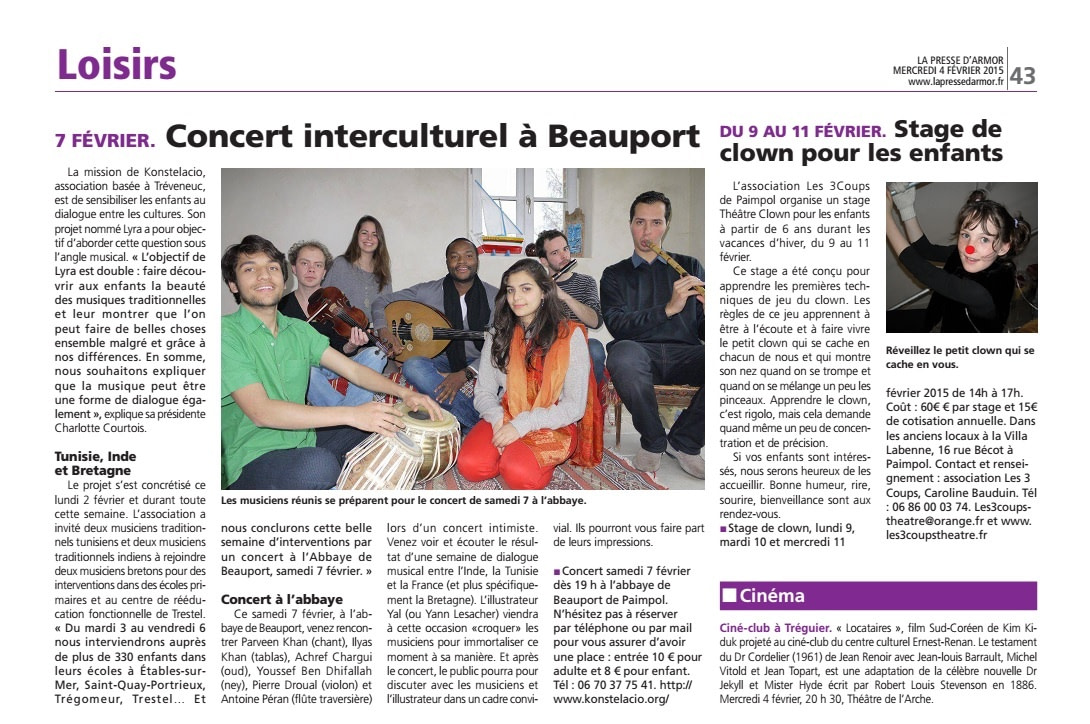
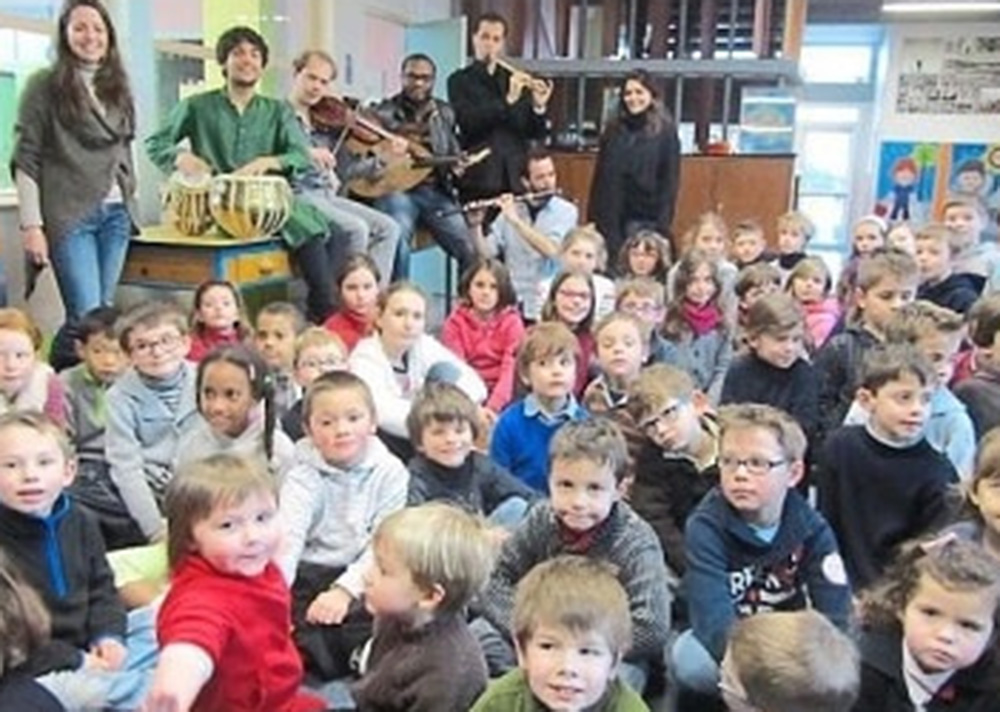
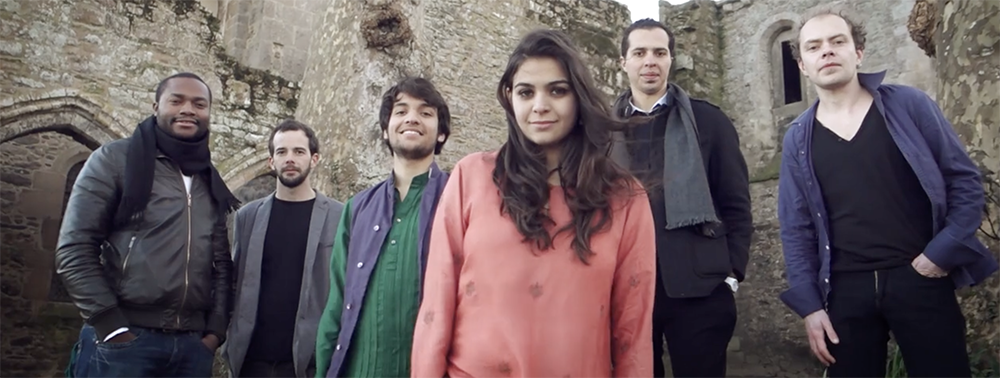
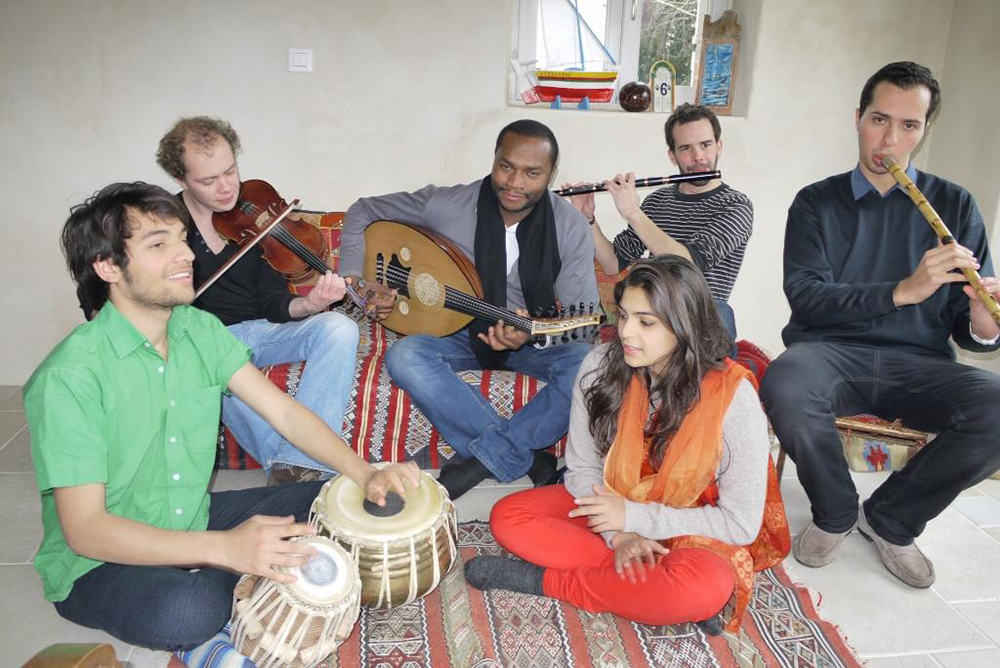
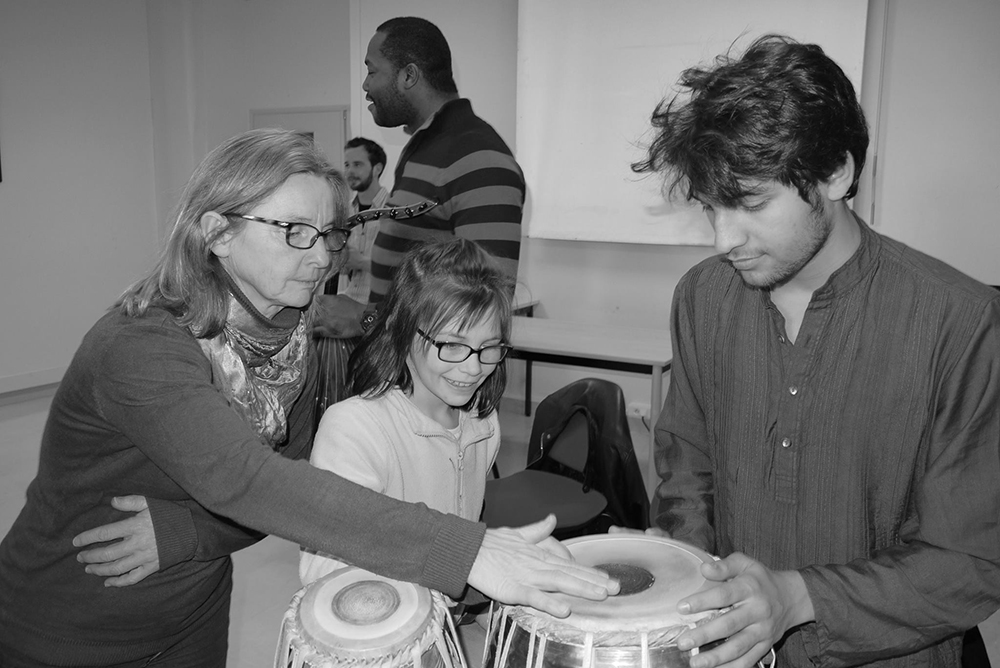
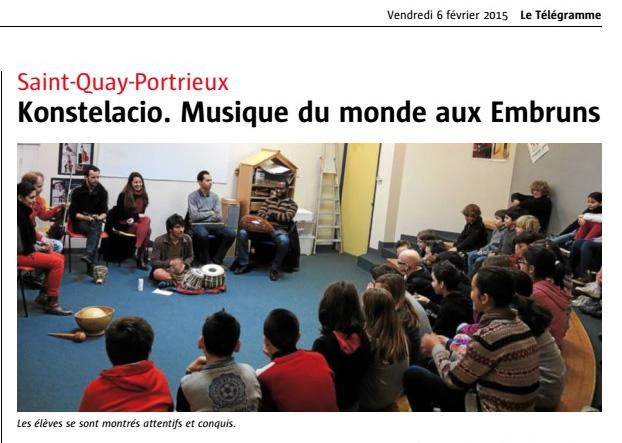
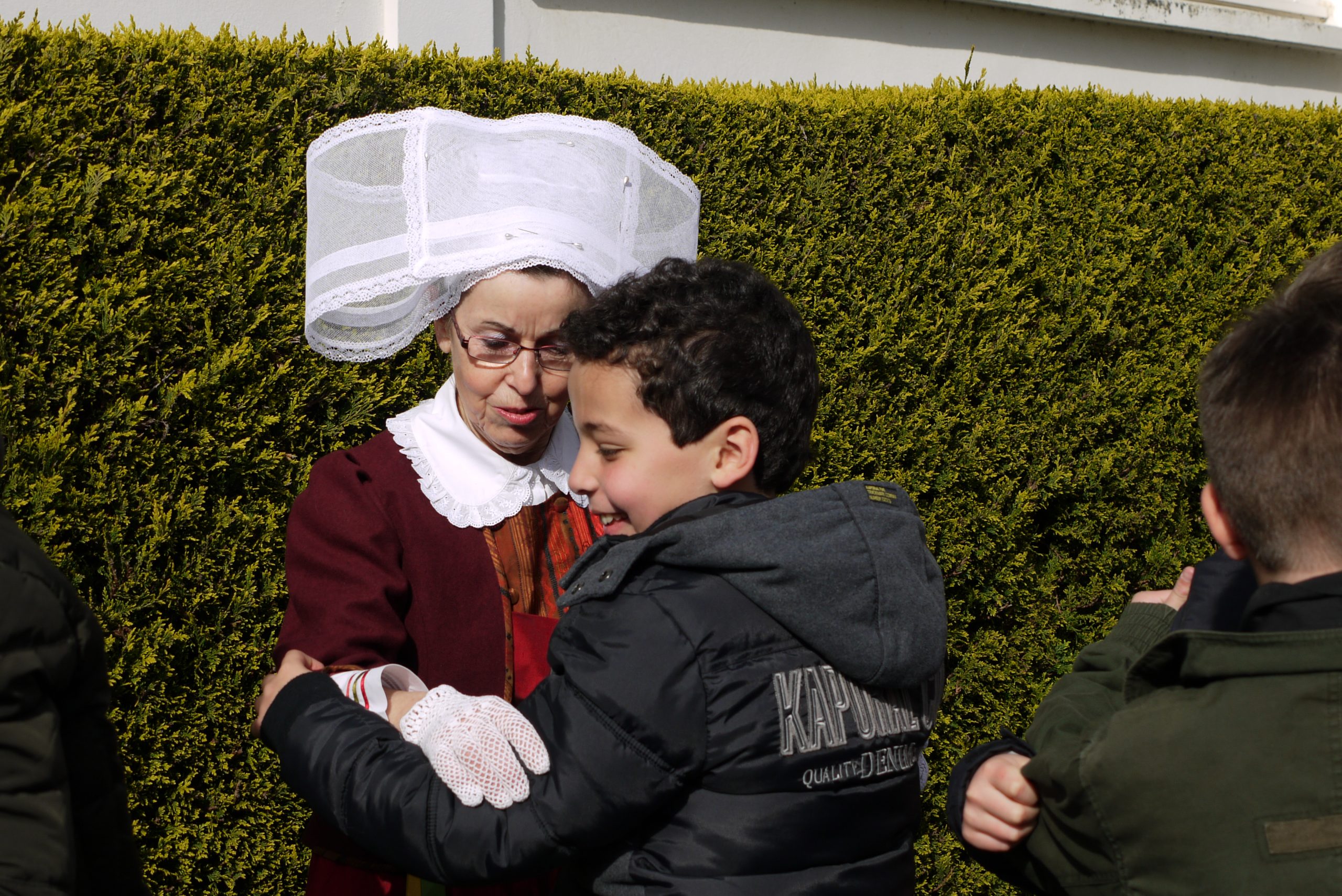
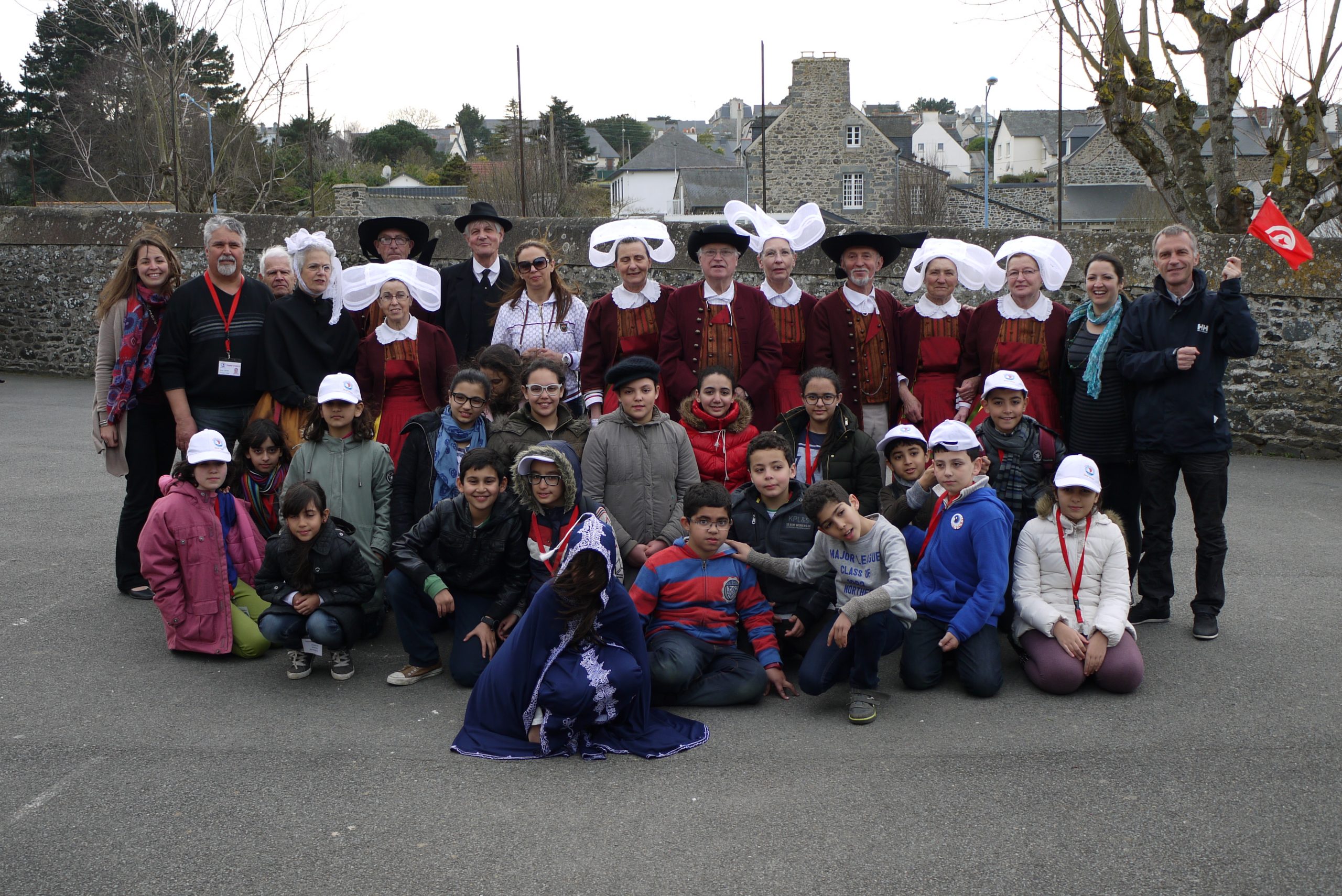
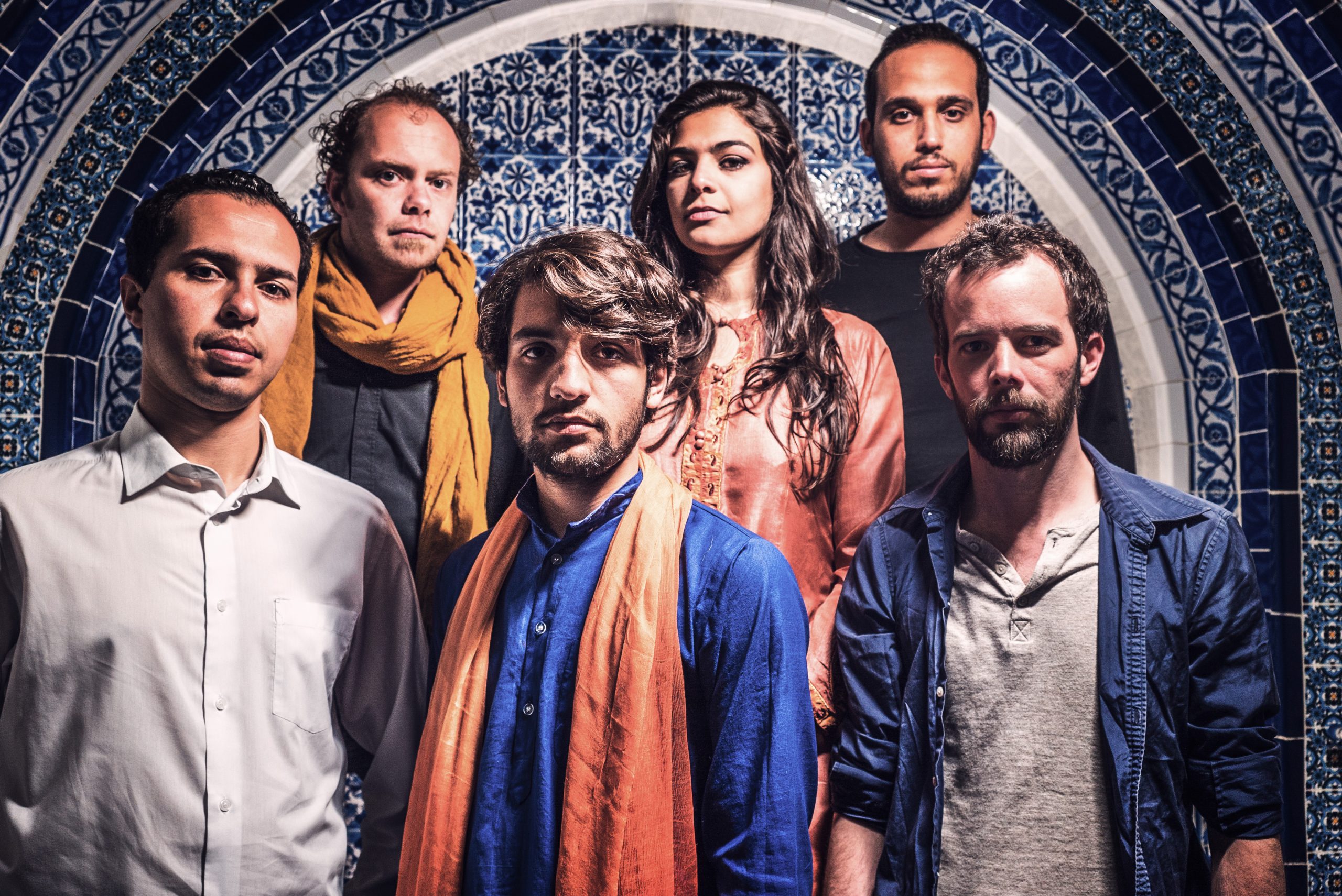
- With the Lyra project, we brought together traditional musicians from Brittany, India, and Tunisia to show children that by listening to each other, we can do wonderful things together. You can watch their videos on our YouTube page here:https://youtu.be/nJekwbpjhL
- We also love the unique sound of the didgeridoo, an Aboriginal Australian musical instrument. We have a particular fondness for the band Yothu Yindi, which combines rock and popular music from northern Australia. And here's an interesting fact: "Yothu Yindi" means "mother and child" in Yolŋu Matha (the Yolŋu language).https://www.youtube.com/watch?v=aqCab1GI7XQ
- How about introducing your children to a language with sounds that are completely unfamiliar to us? This is the case with Isixhosa (or Xhosa). This Southern African language, which is particularly widespread in South Africa, is characterized by the consonant xh, which is pronounced with a click of the tongue. We are particularly fond of South African singer Miriam Makeba, who, in addition to her wonderful energy, was known for her rendition of the song "Qongqothwane." The title, unpronounceable for most European settlers, earned it the nickname "The click song." Qongqothwane literally means "the click beetle" (the familiar name for beetles that tap their abdomens on the ground, making a distinctive sound). Among the Xhosa people, superstition says that they bring good luck and rain. This song is often sung at weddings to bring good fortune to the newlyweds. Here it is:https://www.youtube.com/watch?v=vhgb60Qsjrs
- Finally, we also offer you a beautiful dialogue between the two shores of the Mediterranean with the album "Taziri"by Titi Robin and Mehdi Nassouli. Taziri means "moonlight" in Berber. This album showcases the voice and music of Mehdi Nassouli, a player of the guembri, a traditional Gnawa instrument from southern Morocco that is also widely played in Algeria and Tunisia. It is available on YouTube and streaming platforms.
Books and magazines
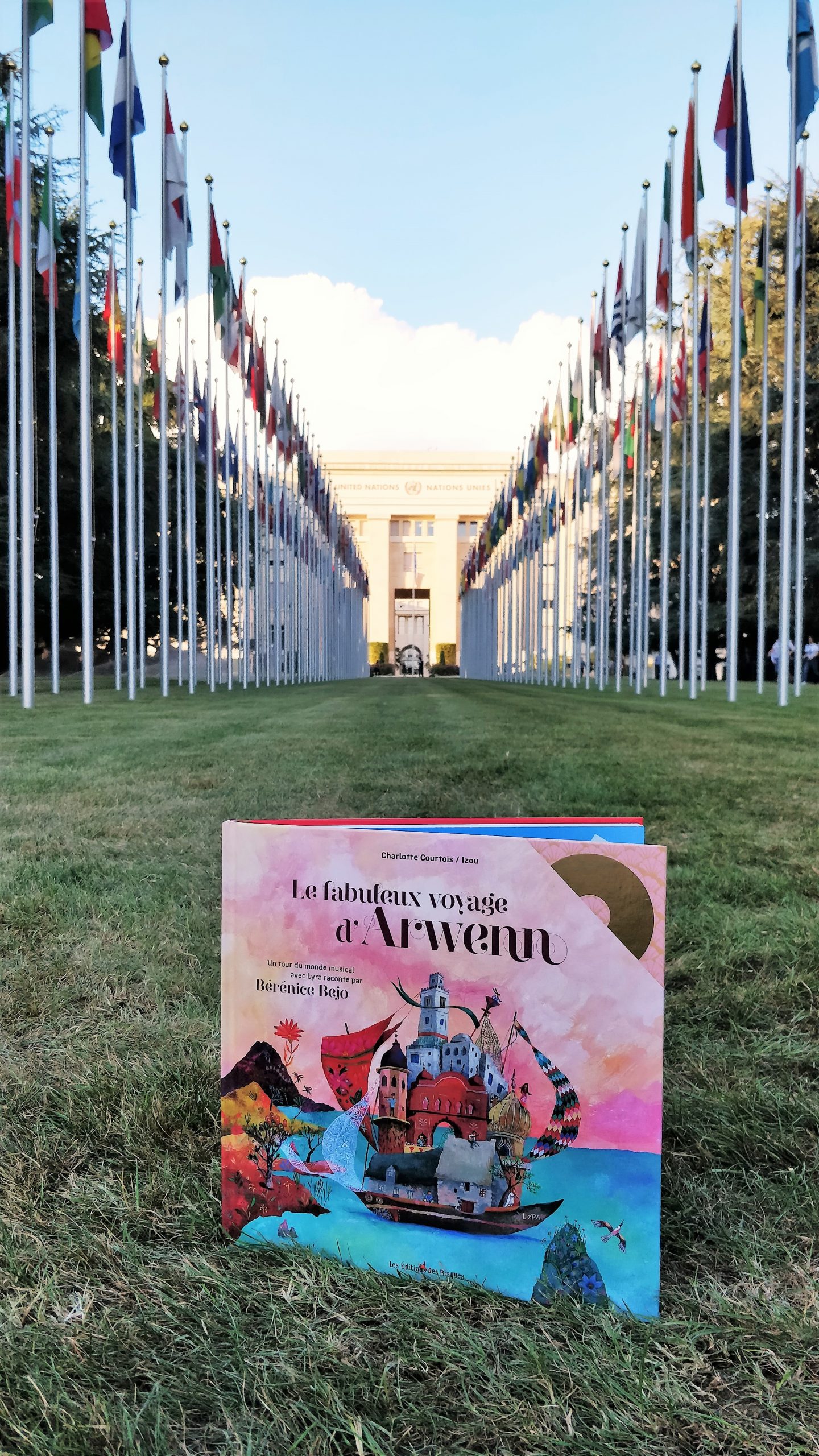
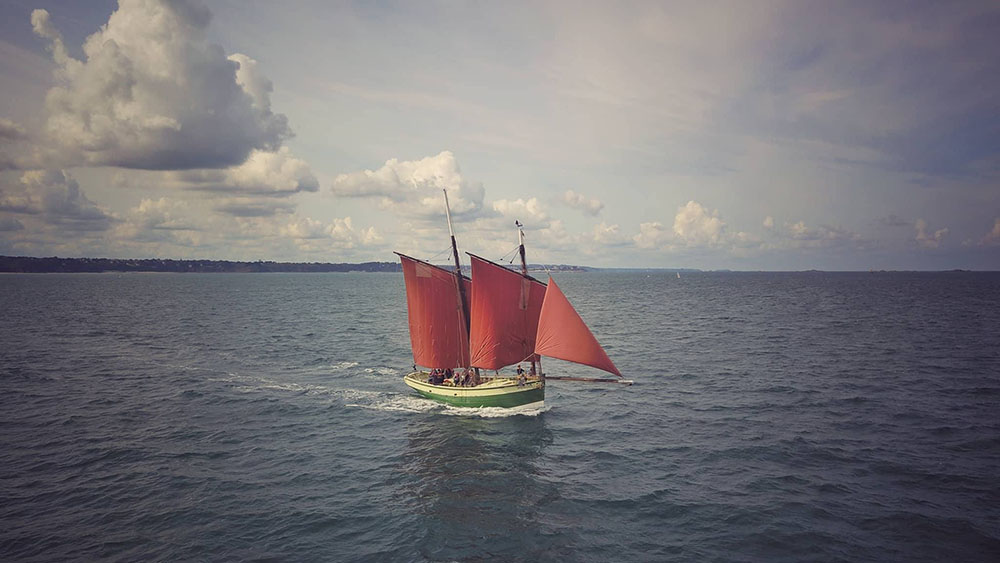
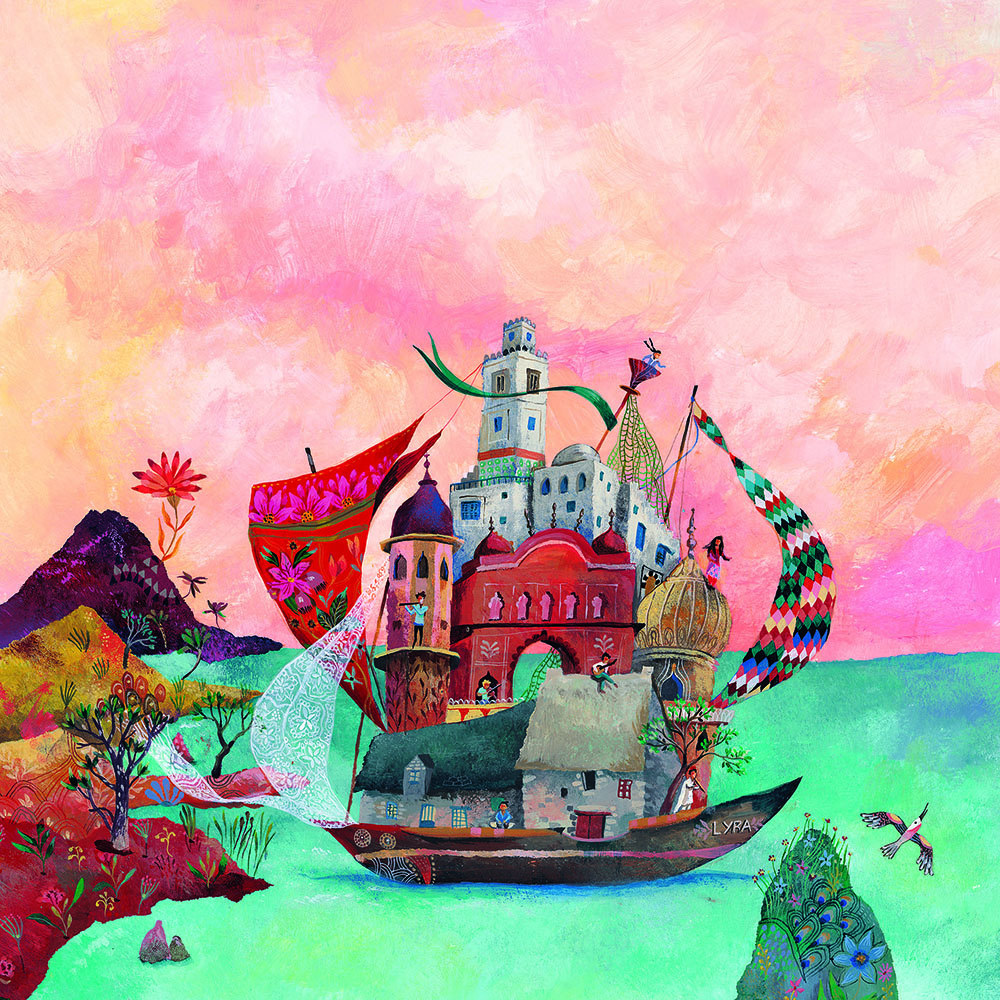
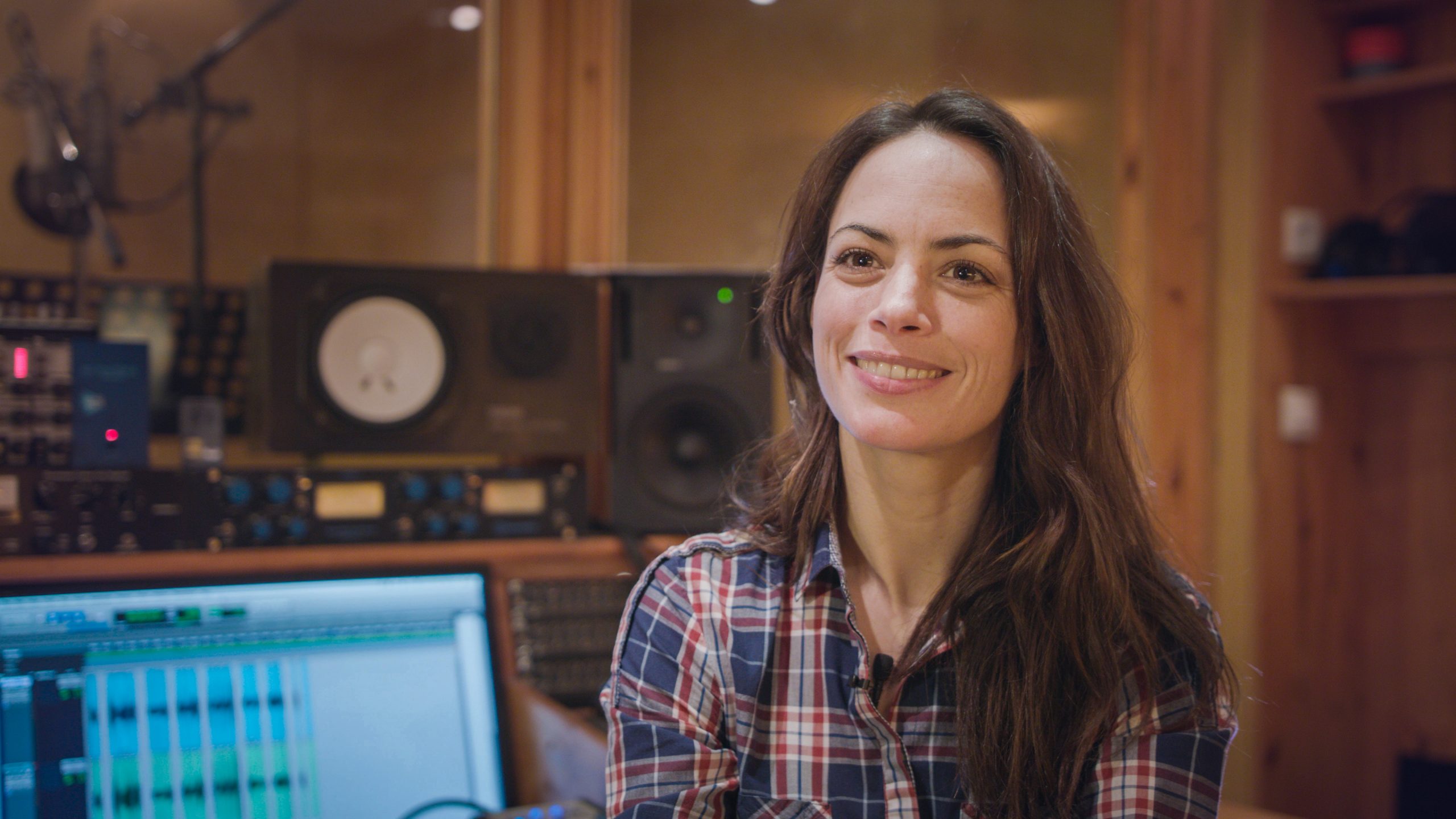
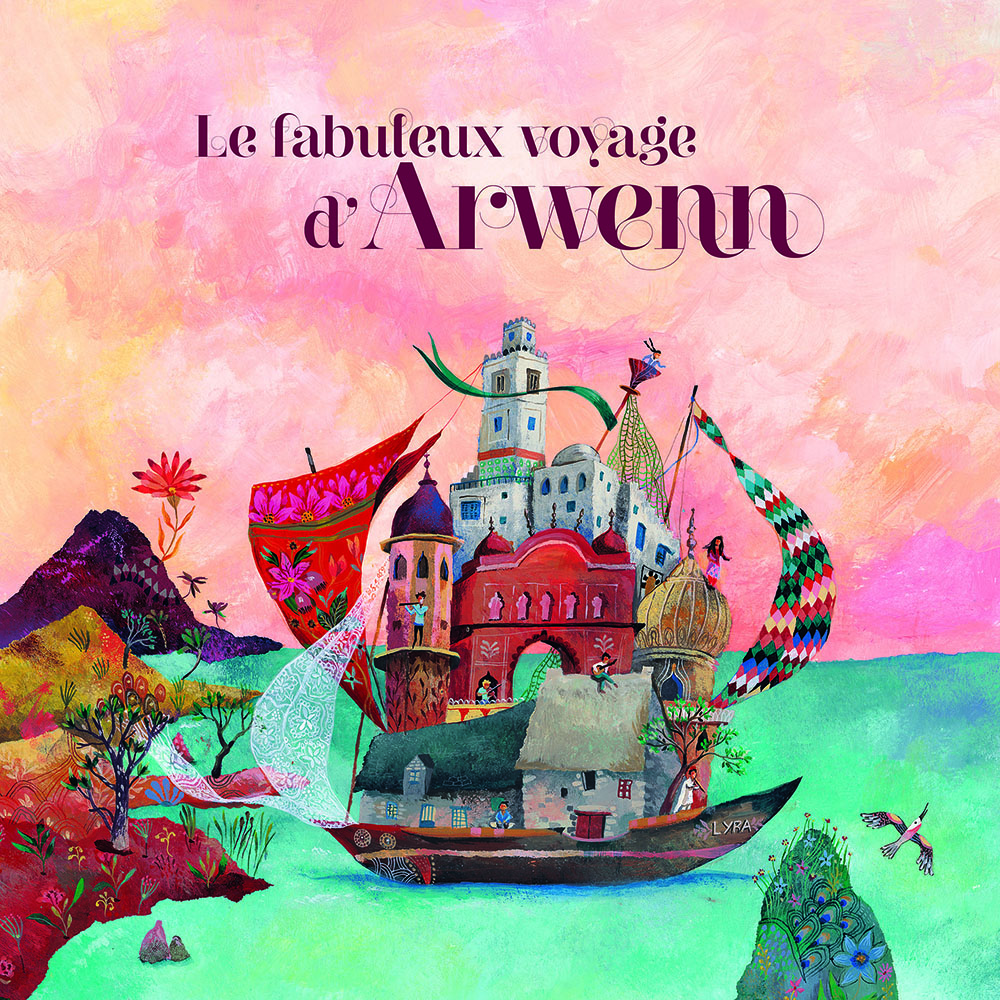
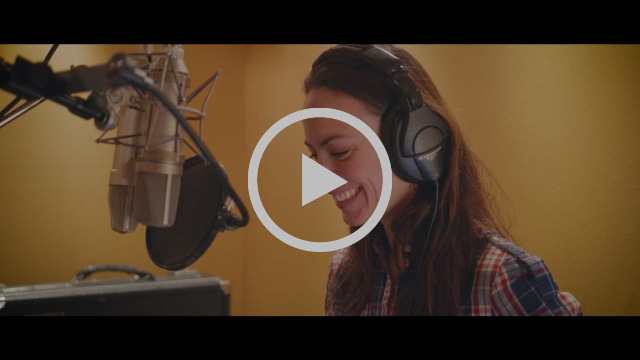
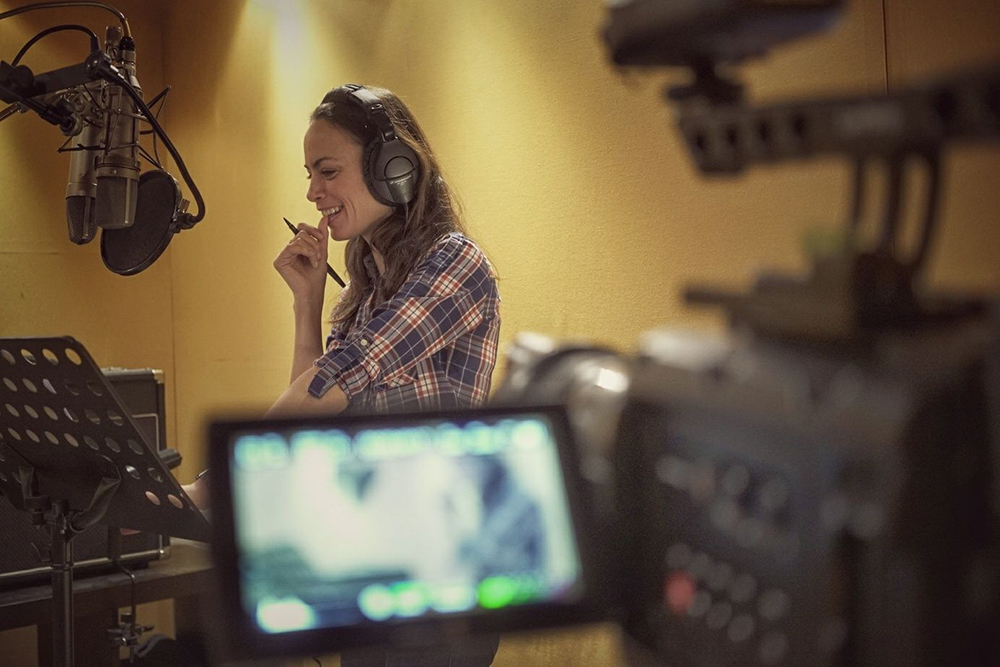
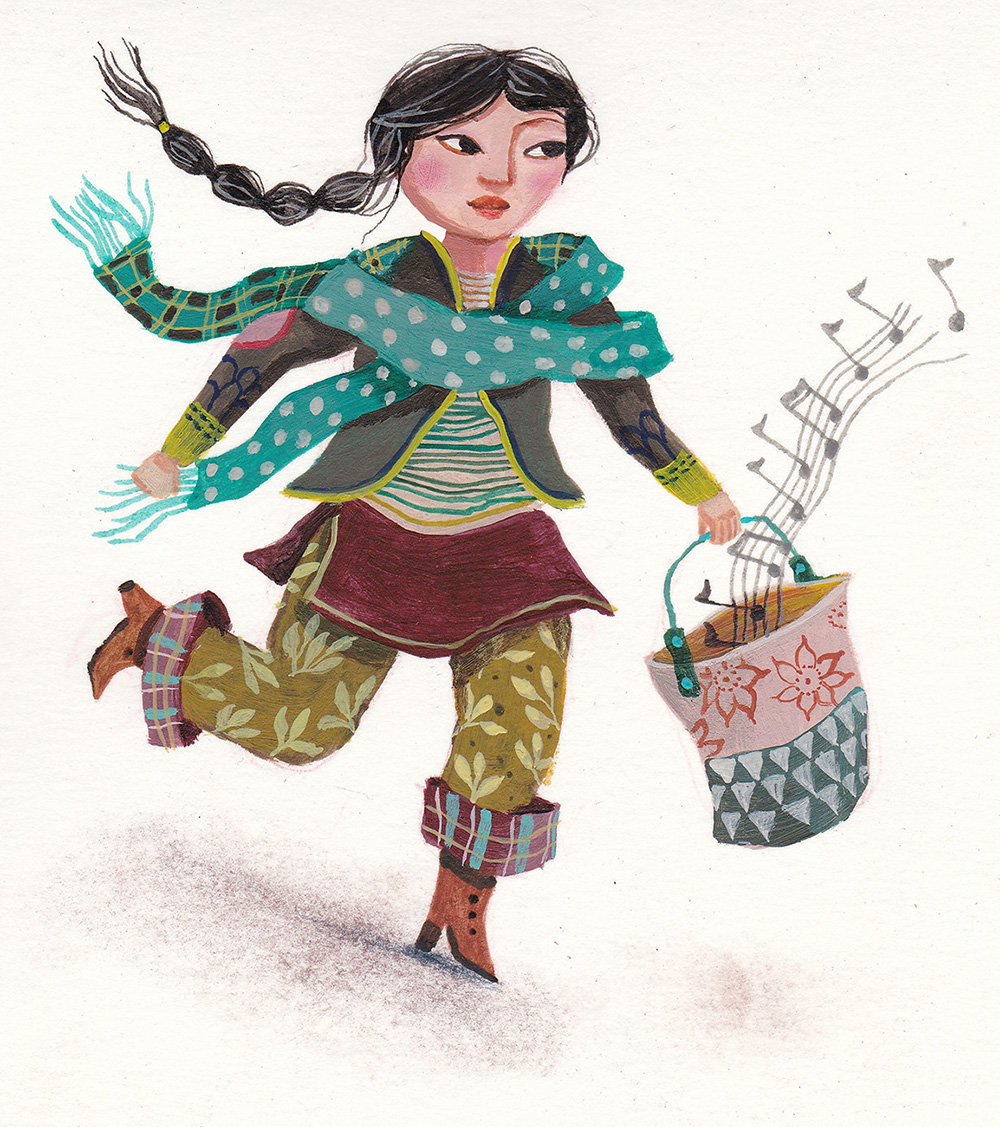
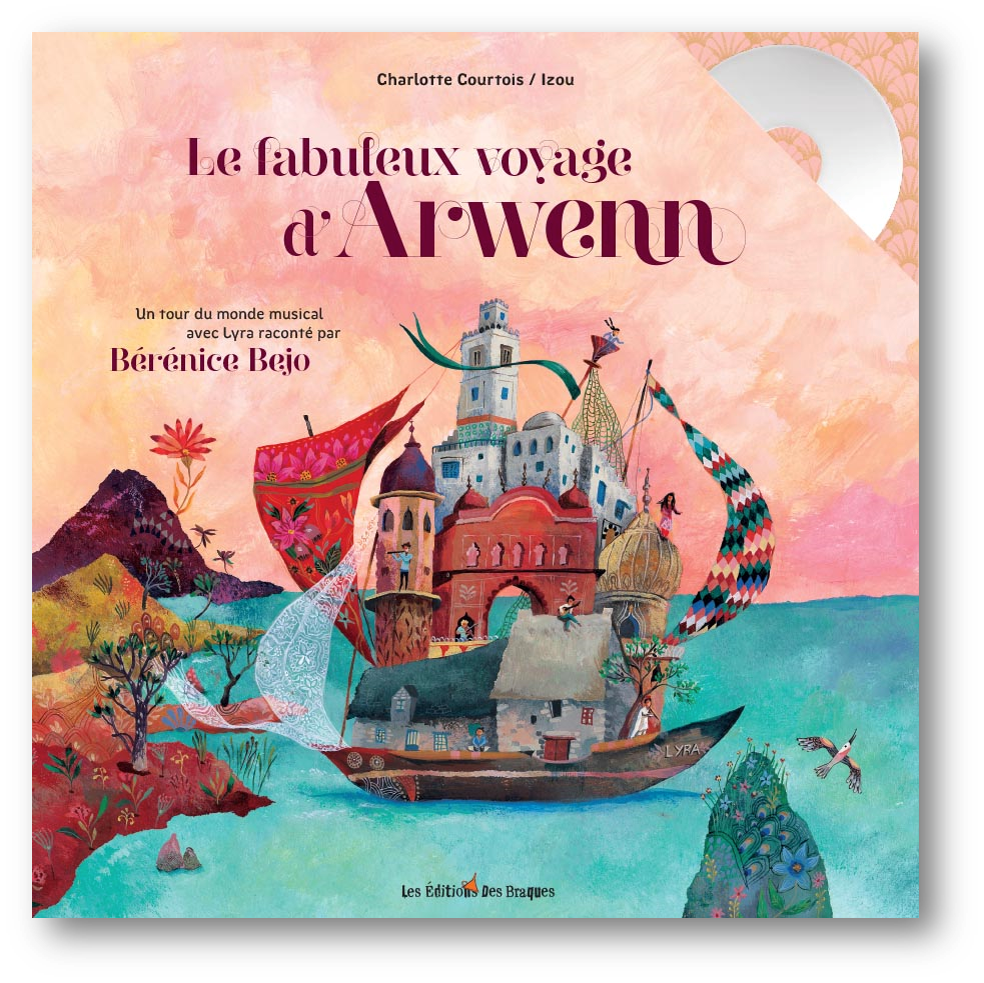
It's hard to talk about books without mentioning our book and CD, "Le fabuleux voyage d'Arwenn" (Arwenn's Fabulous Journey), written byCharlotte Courtois, narrated by actress Bérénice Bejo, and illustrated by Izou. It's the story of a little girl who dreams of traveling around the world and finds herself aboard a huge sailing ship. She meets traditional musicians from Brittany, India, and Tunisia, whom she brings together. But playing together isn't that easy, and they have to learn to listen to each other in order to play harmonious music that draws on their differences.
Why not continue Arwenn's story with your children by writing a new chapter about her arrival in your region or in a country you know? This could also be an opportunity to get them interested in the traditional instruments of your region!Discover the book and the Lyra project it is based on.
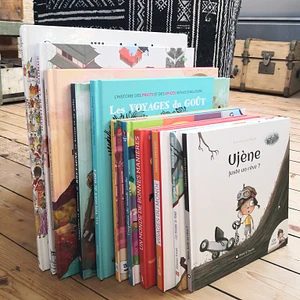
Here is a list of books that we particularly enjoy:
- "Habiter le monde" (Living in the World), by Anne Jonas and Lou Rihn
- "Seven Billion Faces" by Peter Spier
- "Nursery Rhymes from the Arab World" by Wassim Ben Chaouacha and Sandrine Lhomme
- "A World of Good Manners" by Raphaël Martin, Eliane Karsaklian, and Jessica Das
- "Faces of the World" by Tamara Garcevic
- "These Houses of the World" by Pauline Amelin and Béatrice Ruffié Lacas
- "Ujène, Just a Dream?" by Christelle Le Guen, to discover Gallo, the language traditionally spoken in Upper Brittany.
- "Navani de Delhi" by Anne-Benoît-Renard and Mylène Rigaudie and the entire "Viens voir ma vie" collection by ABC Melody
And as a bonus, two great children's magazines about discovering the world:
- Cram Cram
- Mini worlds
Movies and videos
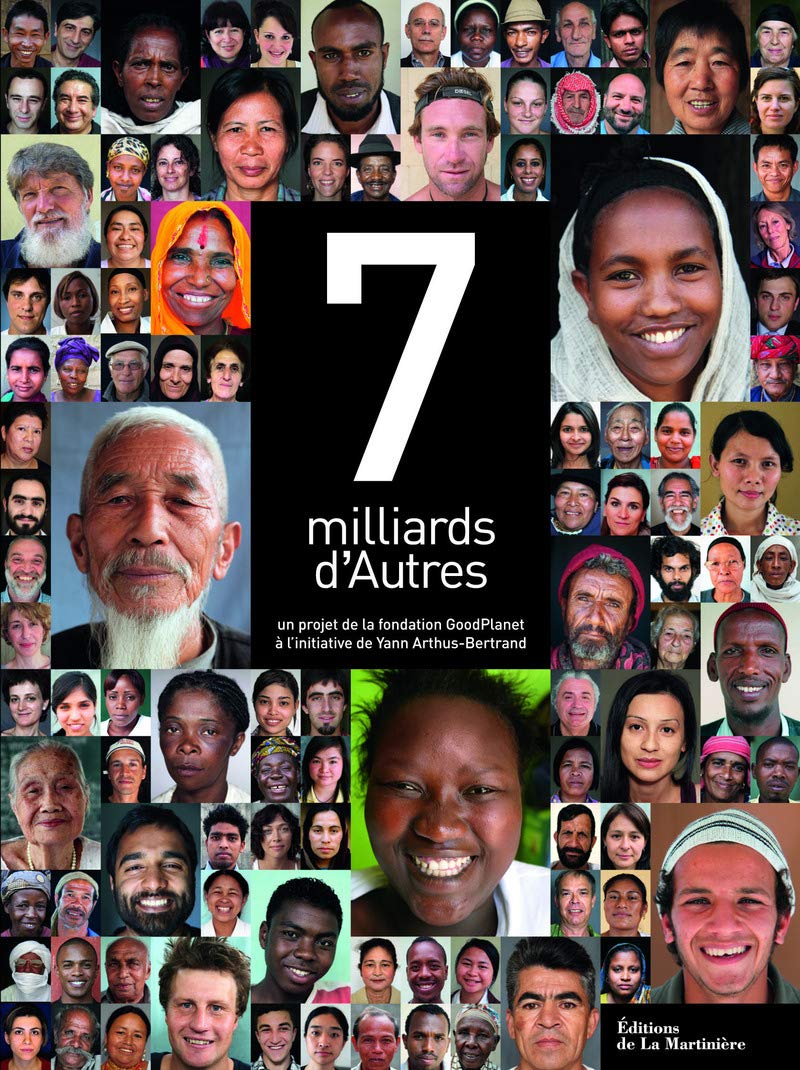
Many of our workshops are also based on Yann Arthus-Bertrand's extraordinary videos, "7 Billion Others" and "Human." These consist of short interviews with people from around the world on a given theme: happiness, family, love, God, etc. It's a wonderful way to spark discussion and reflection on the diversity of experiences and opinions, both between countries and within countries. We strongly encourage you to watch these videos, which are full of humanity, and discuss them with your children.
Here is the video on happiness. The others are also available on YouTube: https://www.yannarthusbertrandphoto.com/fr/biographie/6-milliards-dautres/
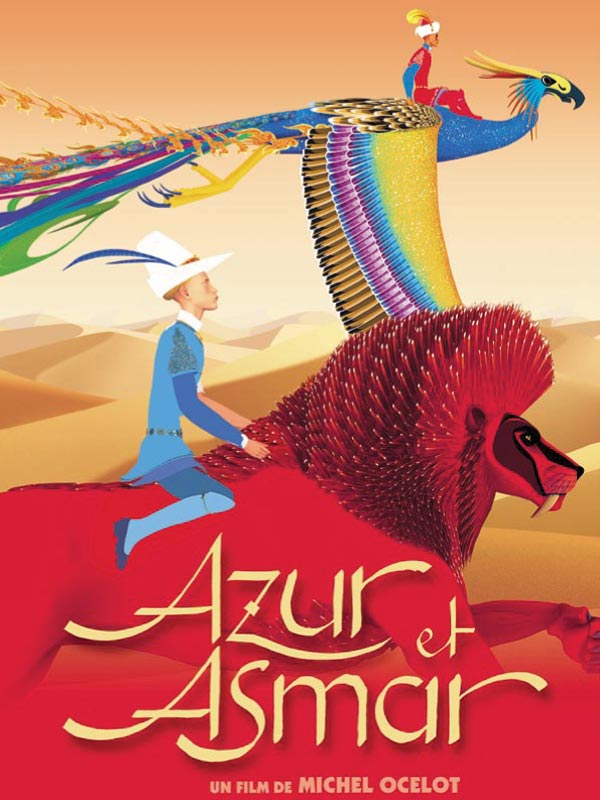
How can we talk about children's films and diversity without mentioning Michel Ocelot's "Azur and Asmar"?
This is our little gem at Konstelacio. Here is the synopsis: "Azur is blond with blue eyes, Asmar is dark-haired with black eyes. As children, they fight and love each other like brothers. As adults, they find themselves rivals, searching for the Djinn Fairy in a medieval Maghreb full of dangers and wonders."
Azur and Asmar is about how our differences complement each other. It's spectacularly beautiful and full of emotion and wonderful values. Don't miss it!
Games and other activities
- Create a memory game with the flag and name of a country on one side and a cultural symbol of that country on the other (be careful with stereotypes!). You can even have your children draw the cards or color them in before laminating them if you can. You can also make them on cardstock so they last longer.
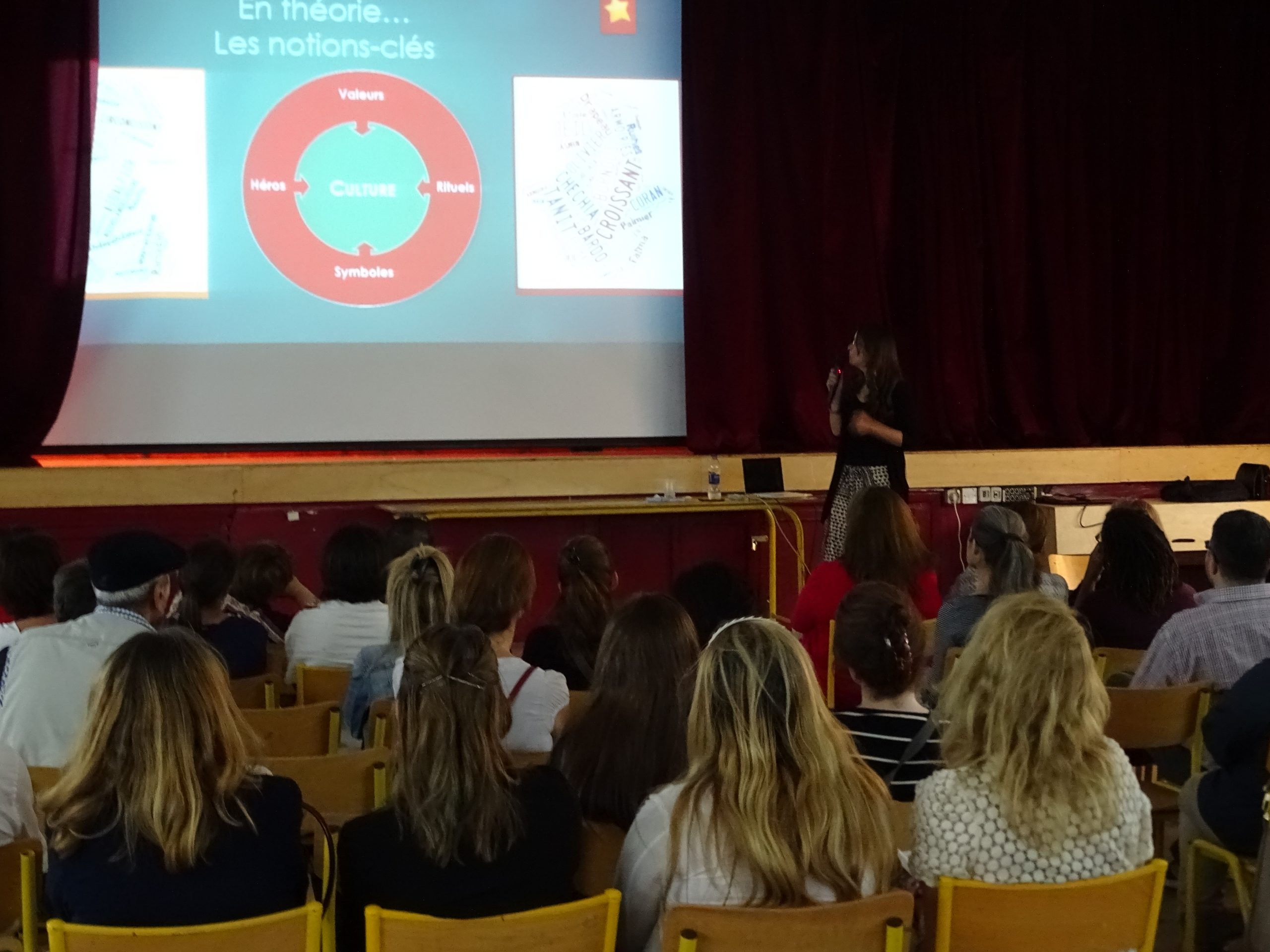
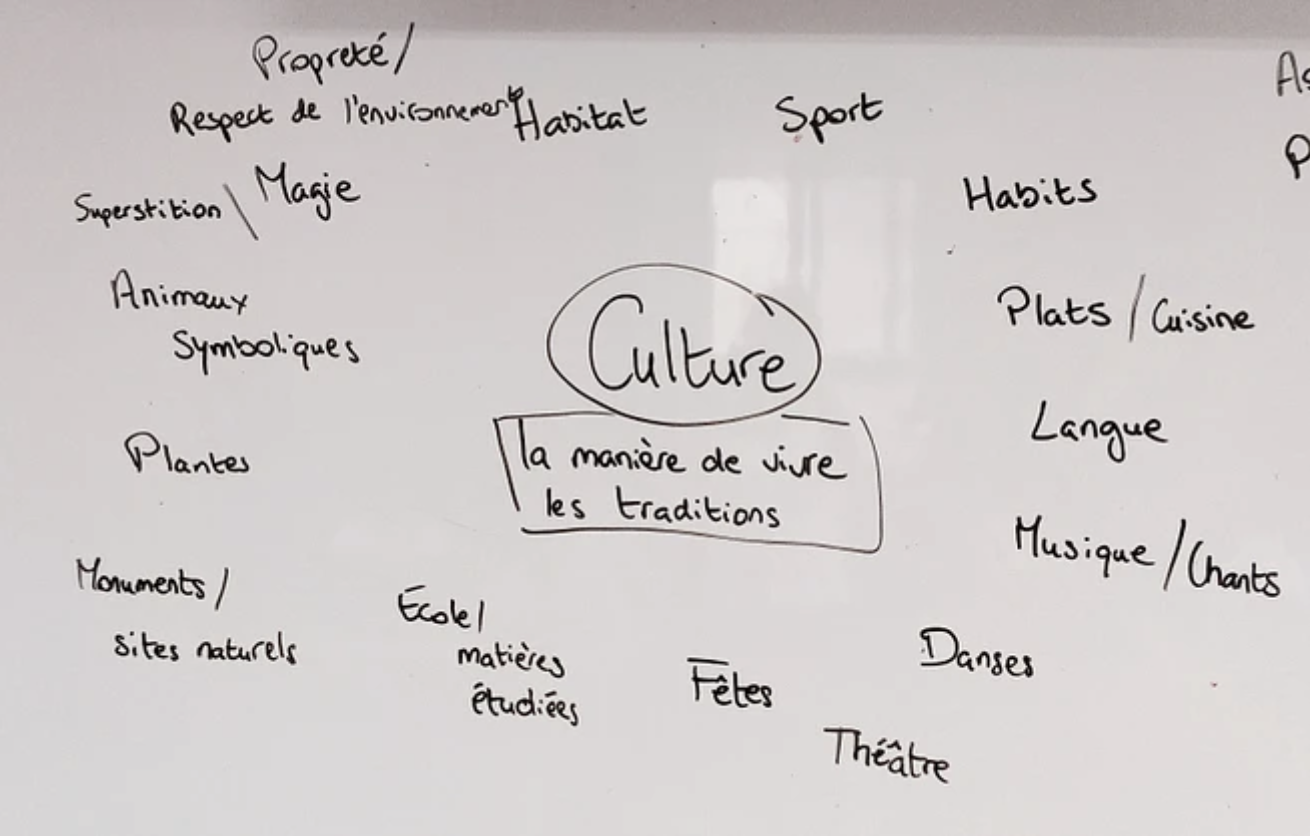
- Brainstorming: Write the word "Culture" on a board. Then ask your children to come up with ideas for cultural elements that may vary depending on the region or country (houses, music, food, etc.). You can then ask them (or think together) for examples from their country of origin/residence and other countries they have heard about.
- The game of greetings around the world: Why not have fun with your children by learning greetings from around the world, including the gestures and words used in each country? This game often makes children laugh and is just as interesting for adults. In Cambodia, people say hello by placing their hands together in front of them and bowing slightly, but there are five different levels depending on the person being greeted (at chest level, chin level, forehead level, etc.). In the United States, people don't kiss each other on the cheek, but they do hug each other. In Morocco, when you like someone, you kiss them on one cheek and then kiss them several times on the other cheek! Then ask them how people say hello in their country (for example, in France, people shake hands when they don't know each other well, or men kiss each other on the cheek, but it can be one, two, three, or even four kisses depending on the region...).
- Tell a traditional song in the form of a story and sing the choruses in the original language. We particularly like to do this with the Australian songWaltzing Matilda, the country's unofficial anthem and known by all Australians. It tells the story of a worker who goes from farm to farm offering his help. He sits in the shade of a tree to heat up some tea. "Waltzing Matilda, Waltzing Matilda, you'll come a Waltzing Matilda with me..." You can also find a tale or legend from a country and combine it with a song from that same country, as you wish!
- Hold an Aboriginal painting workshop (dot painting) using cotton swabs and sponges. Take the opportunity to show them examples and explain recurring symbols (https://www.aboriginalsignature.com/signes-aborigenes).
Contact us
All articles