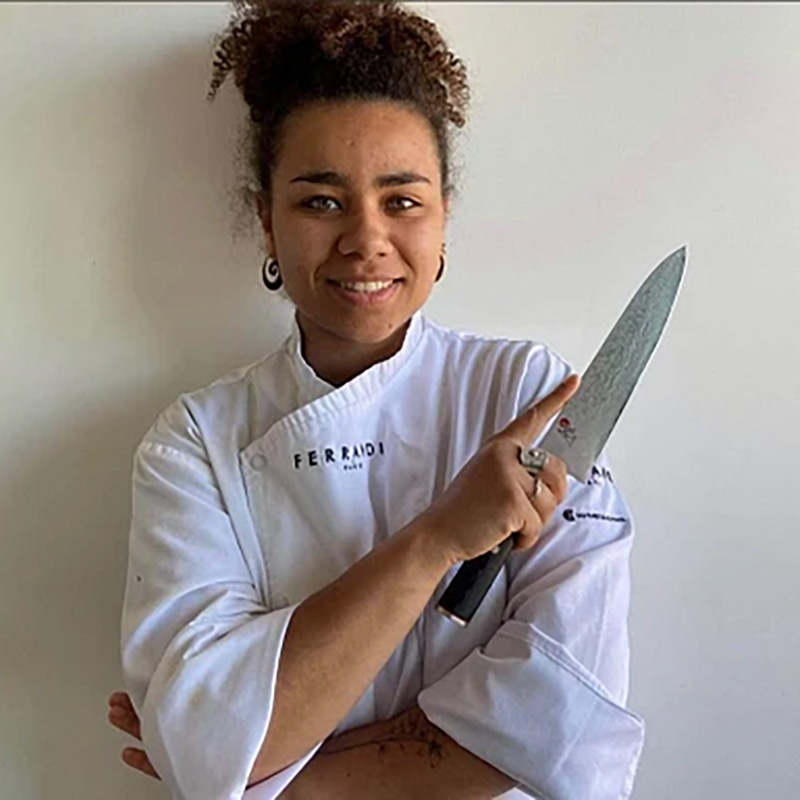
[Colombia] – Esperanza's recipe for ajiaco
As part of our Ursino project, each month we invite you to discover a traditional recipe shared by a chef, celebrity, or anonymous contributor.
Discovering a dish, its history, how it is eaten, and even the memories associated with it is precisely what our students around the world are doing.
On this basis, they conduct research to discover the origins of dishes and their ingredients.
The goal: for them to discover for themselves that our cultures, particularly our culinary cultures, have always been enriched by diversity and encounters between peoples.
Tell us about a traditional recipe that is close to your heart.
Who prepared this dish? How was it passed down to you?
What does this dish remind you of? Do you have any special memories or stories associated with it?
Do you know of any other variations of this dish?
Does this dish seem rather old or recent to you? Which region do you think it comes from?
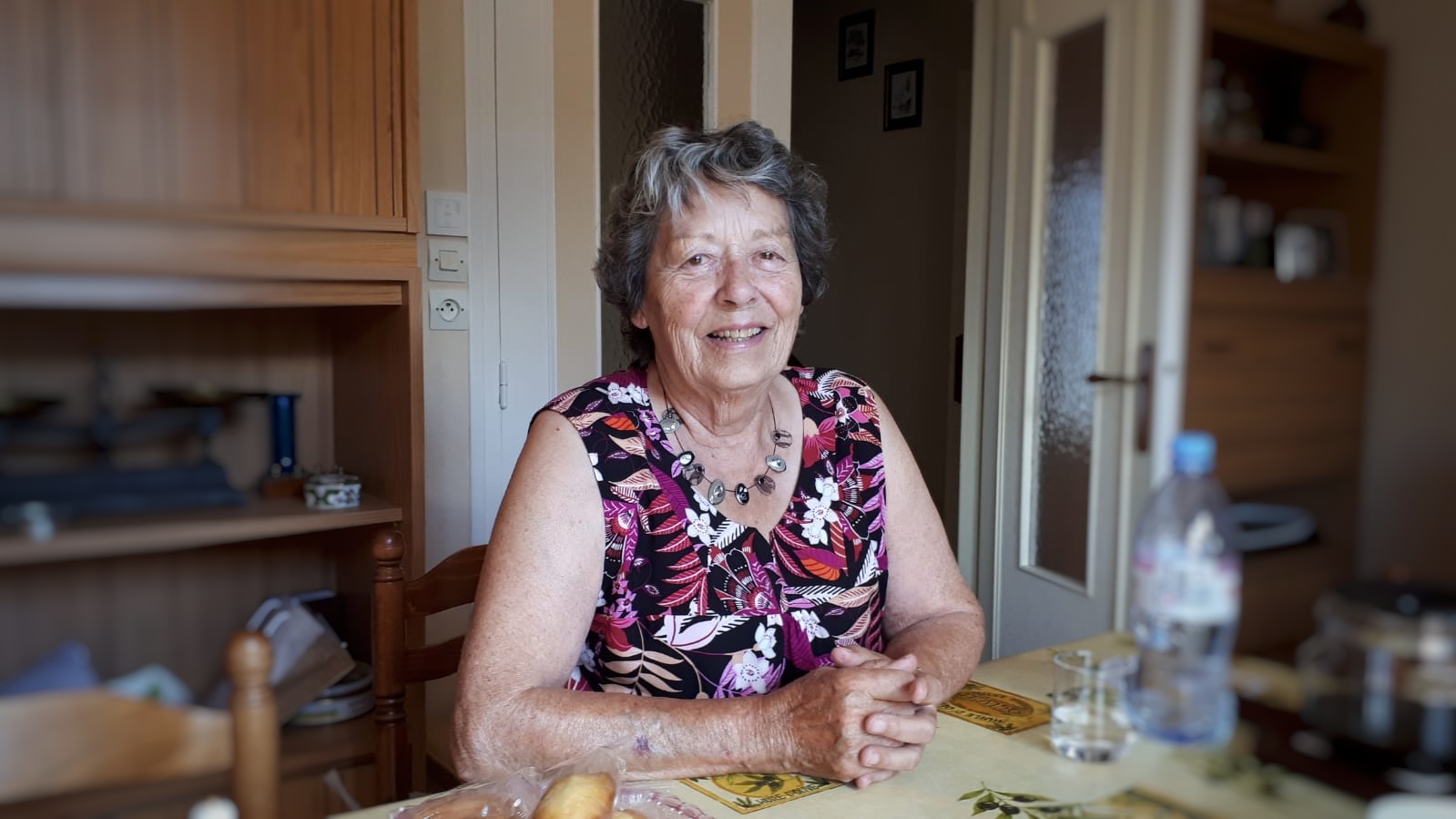
It is a very old dish that has become so popular that it is now an everyday meal eaten throughout the country. It originally comes from Bogota. The traditional way of making it has undoubtedly changed.
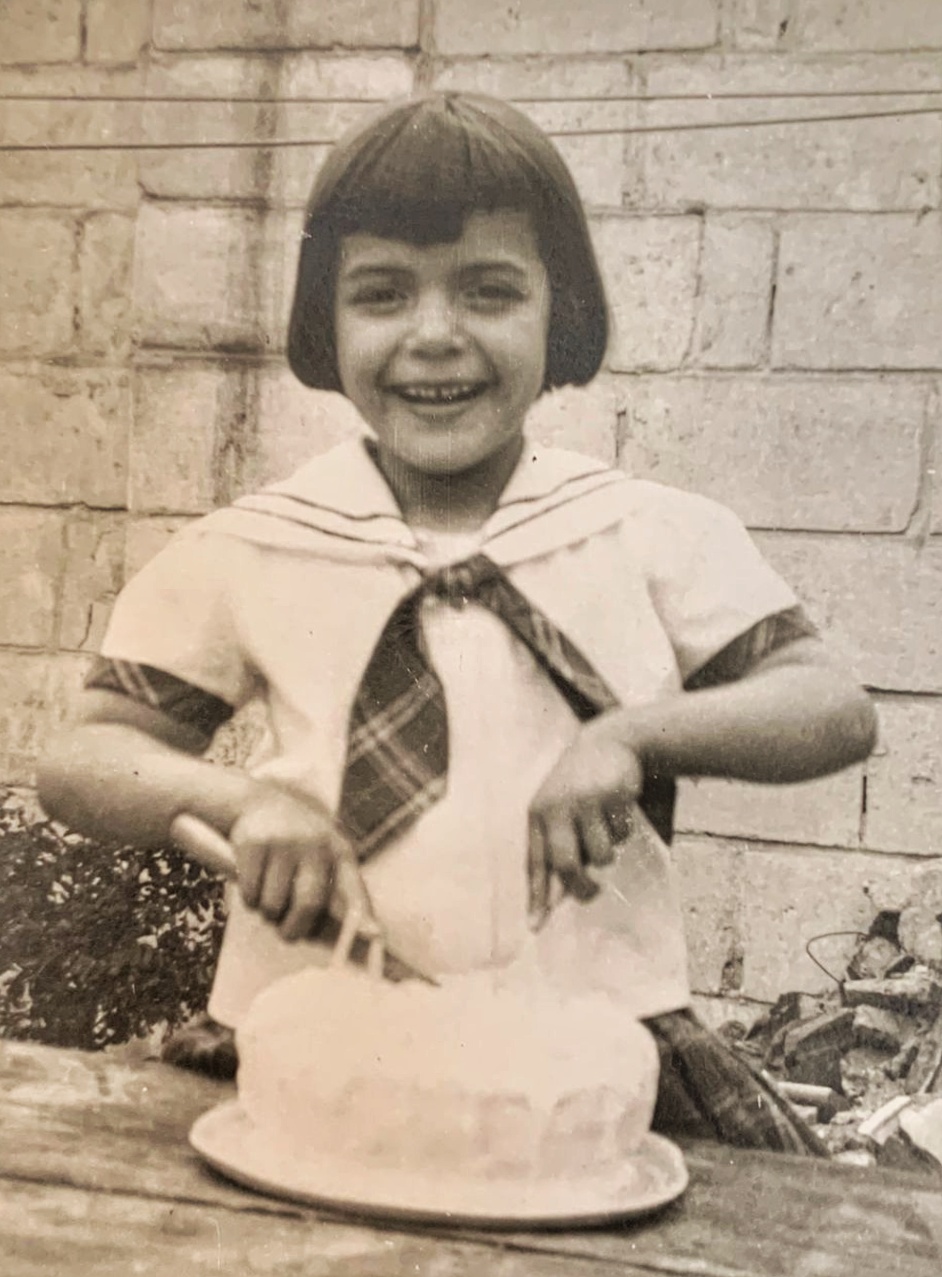
Esperanza as a child
How and when is this dish usually eaten?

It's a festive dish. It's eaten with avocado, cream, capers, and rice. Some people put the rice in the ajiaco, but I prefer to serve it on the side.
The tradition is to then serve maracuya (passion fruit) mousse for dessert, accompanied by carob cream (juice from the carob tree mixed with milk). And if some people don't like maracuya mousse, you can also make carob mousse.
Alcoholic beverages are rarely consumed with ajiaco.
Perhaps refajo was once consumed? It was an aperitif made up of half beer and half "soda colombiana," but it has fallen out of favor.
And then there was also mistela, herbs macerated in molasses and then mixed with aguardiente (brandy), which was prepared for Saint John's Day. Even children drank it! It originated in Huila.
"On Sundays, the house was full. That's why I am the way I am, why I love to entertain and share, to trust everyone, with a smile!"
Are there any rituals associated with eating this dish?
Not really... We serve the ingredients separately and everyone puts what they want on their plate. However, we do use a special utensil called a pincho for the corn , which we stick into the corn cob to make it easier to eat. Then we eat the rest of the dish with a tablespoon and a fork.
Are there any other traditional dishes that you are keen to pass on to your loved ones?
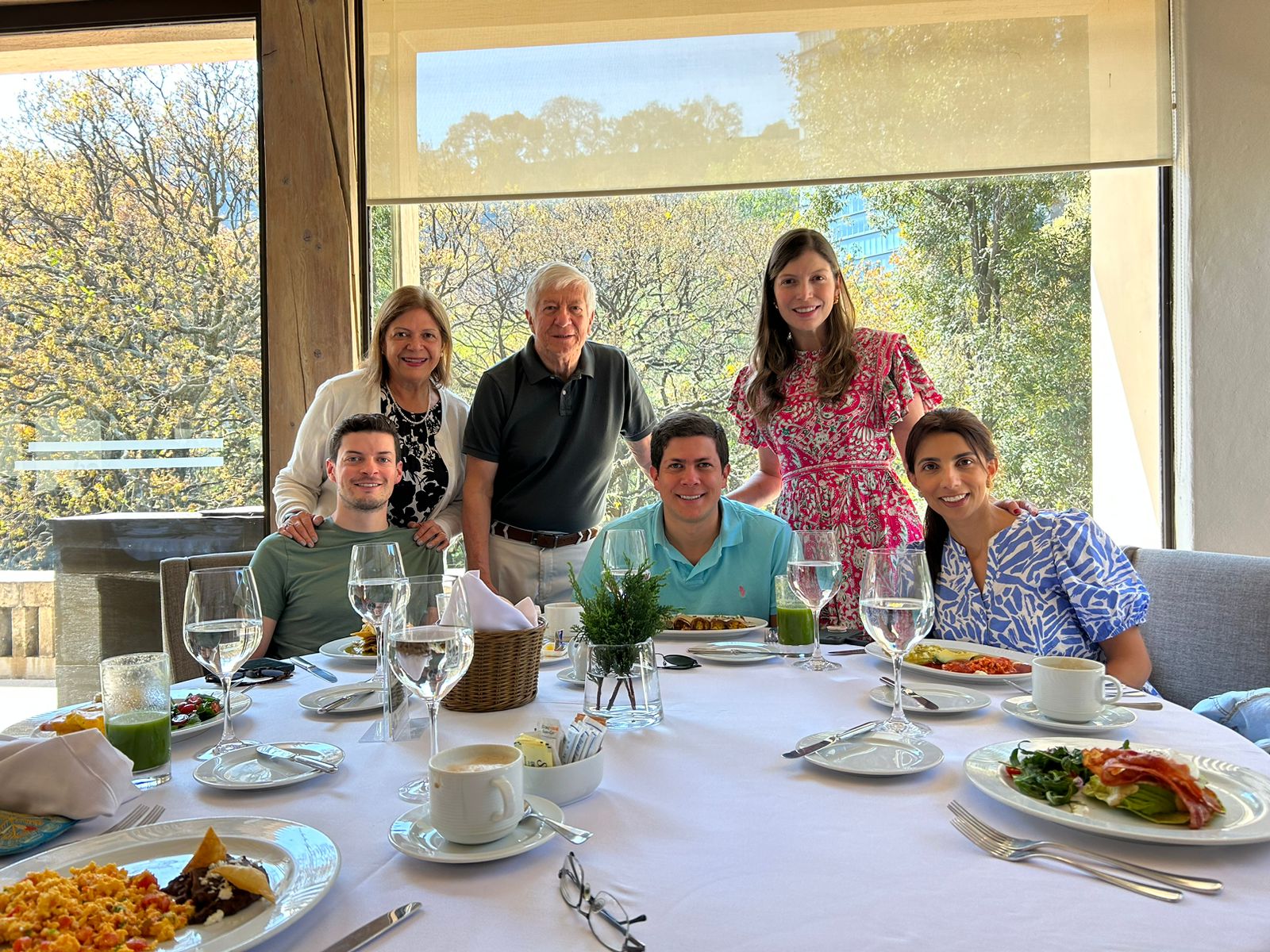
Esperanza and her family
What do you associate with cooking and mealtimes?
For me, it representsthe sweet and tender childhood I had. Always talking about cooking, eating, las onces (snack time)... I remember las onces well! It was the moment at 5 p.m. when everyone got together. Everyone knew about "Rita'slas onces " (her mother's afternoon snack). It was a moment of sharing and generosity.
On Sundays, the house was always full. Sometimes there were 20 or 30 people! We always had guests.
That's why I am the way I am, why I love to entertain and share, to trust everyone, with a smile!
The recipe for ajiaco
Ingredients
-
16 cups of water
-
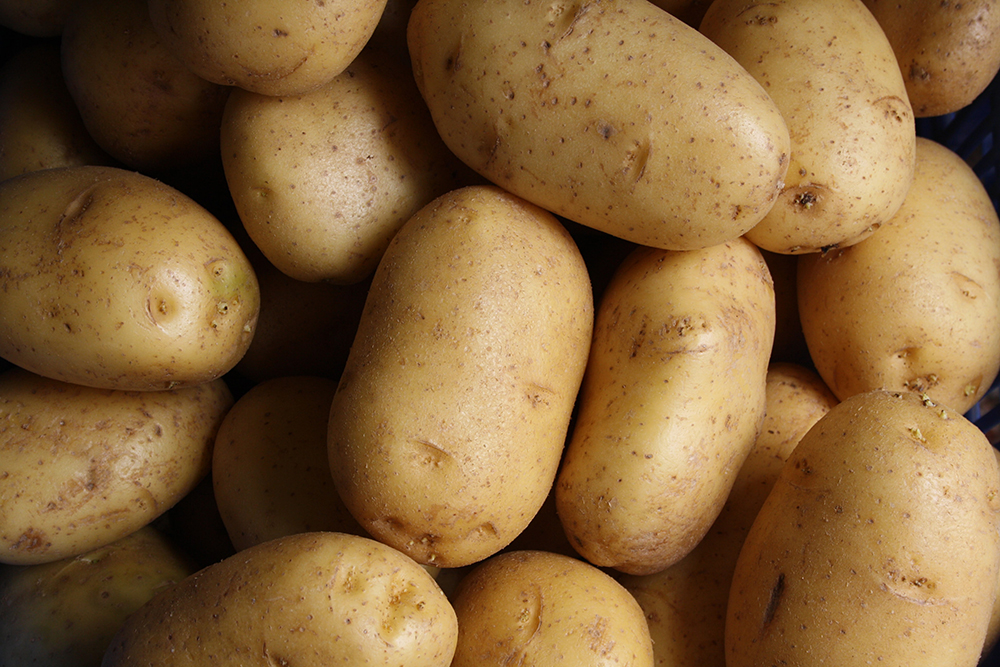
500 g yellow "criolla" potatoes
-
1kg of pastusa potatoes
-
750g of Sabaneras potatoes
-
1.5kg of fairly large chicken breast, skin removed
-
4 whole corn cobs cut into 3 pieces
-
100g of "murillo" meat
-
1 celery root
-
3 long green onions
-
4 cloves of garlic, minced
-
1 bunch of guascas leaves
-
1 bunch of cilantro
-
1 bunch of celery
-
salt and pepper to taste
-
1.5 cups heavy cream, avocado, and capers to taste
1. Boil the chicken breast with the murillo meat, peeled and sliced potatoes, onions, garlic, cilantro, and celery (all thoroughly washed) for 45 minutes to 1 hour.
2. Remove the vegetables when they are cooked (these ingredients are only used to give the soup flavor and form the basis for making broth).
3. Boil the sliced corn with the "sabaneras" potatoes, also peeled and sliced.
When they are cooked, add the "pastusas" and "criollas." Allow to thicken well.
4. Finally, add the guascas just before serving.
5. Serve piping hot with the shredded chicken in a serving dish. Everyone can help themselves to a bowl and add crème fraîche, avocado, and capers to taste.
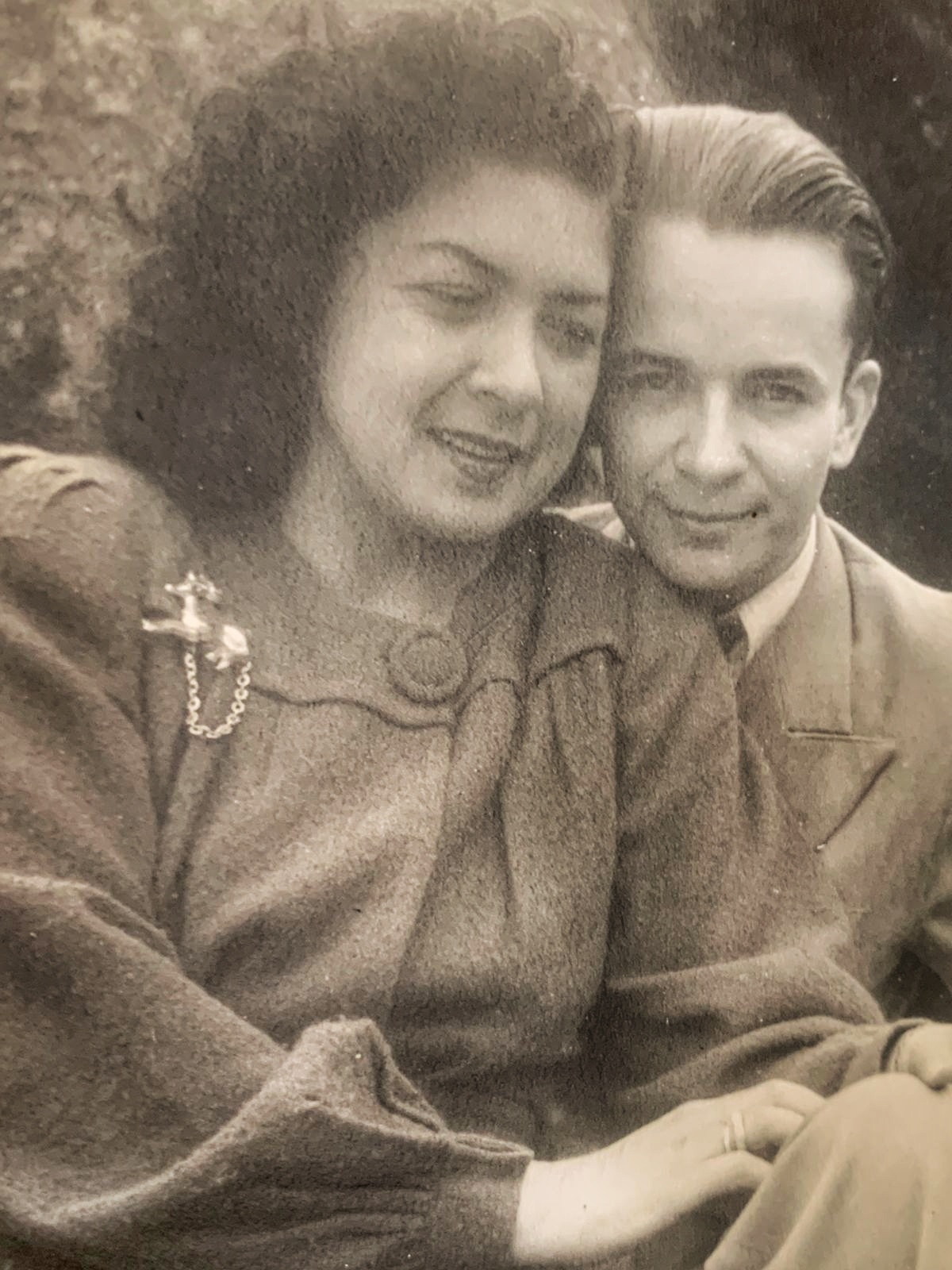
Esperanza's parents
Bonus
All articles