
As part of ourUrsino project, each month we invite you to discover a traditional recipe shared by a chef, a celebrity, or an anonymous contributor.
Discovering a dish, its history, how it is eaten, and even the memories associated with it is precisely what our students around the world do. On this basis, they conduct research to discover the origins of dishes and their ingredients.
The goal: for them to discover for themselves that our cultures, particularly our culinary cultures, have always been enriched by diversity and encounters between peoples.
After 15 years of experience in the most prestigious Parisian hotels and a World Catering Champion title,Jean-François Buryembarked on the Top Chef adventure on M6, thereby becoming known to the general public.
After the show, he couldn't wait to get back into the kitchen, and in 2018 he and his wife Anaïs opened their own restaurant in Nanterre:Cabane, a place that everyone in western Paris is clamoring to visit.
He did us the honor and pleasure of granting us an interviewwith Ursino overa classic French dish: his grandmother's beef stew.
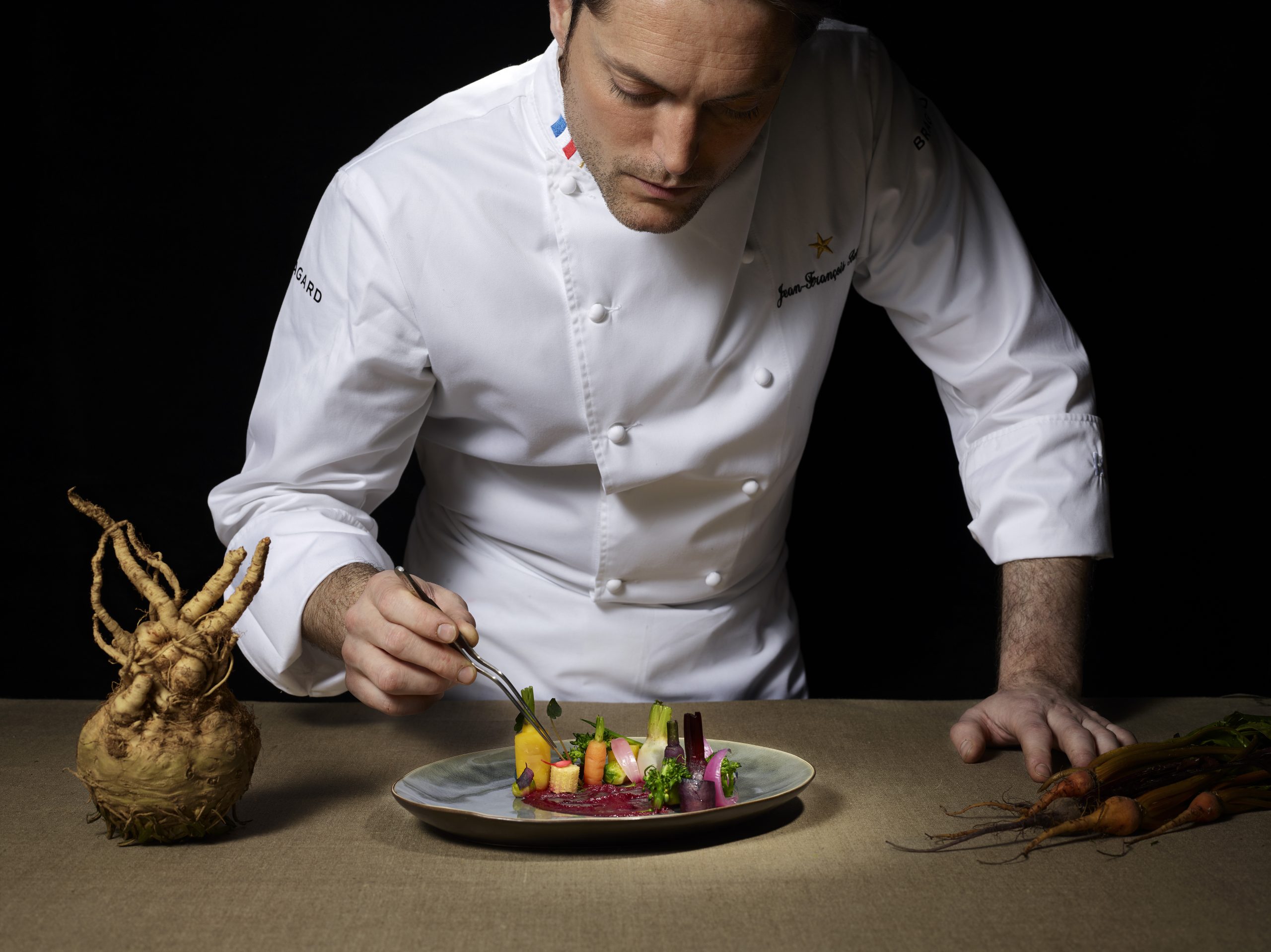
Tell us about a traditional recipe that is close to your heart...
"I've decided to talk about beef stew. It's a traditional dish, the famous Sunday beef and carrots."
Who prepared this dish? How was it passed down to you?
"It was my grandmother's dish. At the time, I was too young to learn how to make it. My mother then took it up. She passed it on to me, and as I learned to be a chef, I added my own touches. For example, I use different cooking methods such as sous-vide, which makes the meat less dry than when it is cooked for hours."
What does this dish remind you of? Do you have any special memories or stories associated with it?
"These are often dishes that bring people together. It's a dish for sharing! Of course, my grandmother never made it just for herself; she always made it for a special occasion, in this case, when we came to visit her.
For me, beef stew, and my grandmother's cooking in general, was always about the smells. I wonder what impact that had on my desire to become a chef! My grandmother cooked a lot. And she always used her Opinel knife!
Does this dish seem rather old or recent to you? Is it disappearing? Which region do you think it belongs to?
"Actually, I think cooking is a bit like fashion. There's no such thing as old or new; it's a cycle. Just because a dish is no longer popular doesn't mean that one day a chef won't bring it back into fashion. That's the case with pâté en croûte, for example. It had gone completely out of fashion, and now there isn't a single restaurant in Paris that doesn't have it on the menu."
You can always revisit a dish by keeping the same ingredients and the same base, but working on the texture, for example. There is no old or new. Today, it's hard to say that we've created something. Our creations are always inspired by dishes we've seen. In today's world, we have access to a huge number of recipes from many countries—it's endless!
As for the origin of the dish, I don't really know. I think it can be found pretty much everywhere in France. It's made with simple ingredients that can be found anywhere.
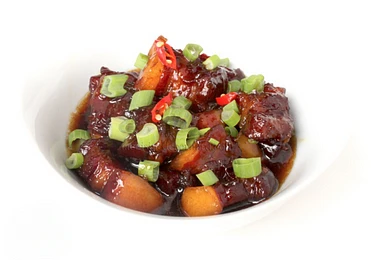
Photo credit: Vietnamese caramel pork @lacuisinedebernard
Do you know of any other variations of this dish? Or similar dishes in other countries or regions?
"I don't have any specific examples, but it's a fairly common dish, cooking meat for a long time in a sauce with carrots..."
In Asian cuisine, there are similar types of dishes, but with spices. Ultimately, we use some of the same ingredients, but with different cooking methods.
How and when is this dish usually eaten?
"It's definitely a Sunday dish! In the morning, we get up, go to the market, buy our meat and fresh vegetables... Then we come home and spend the morning in the kitchen, and at 12:30, when it's ready, we put the pot in the middle of the table, lift the lid, and it's ready to eat!
Since this dish is cooked with white wine, you can serve a bottle of white wine with it.
Are there any rituals associated with eating this dish?
"It's a dish you eat with sauce! With a nice piece of country bread, with a thick, crunchy crust!"
Are there any other traditional dishes that you are keen to pass on to your children?
"There's no particular dish. But yes, I often cook with my children. Whenever I cook at home, my little girl is right there with me. We make a bit of everything, but it has to be simple and fun!"
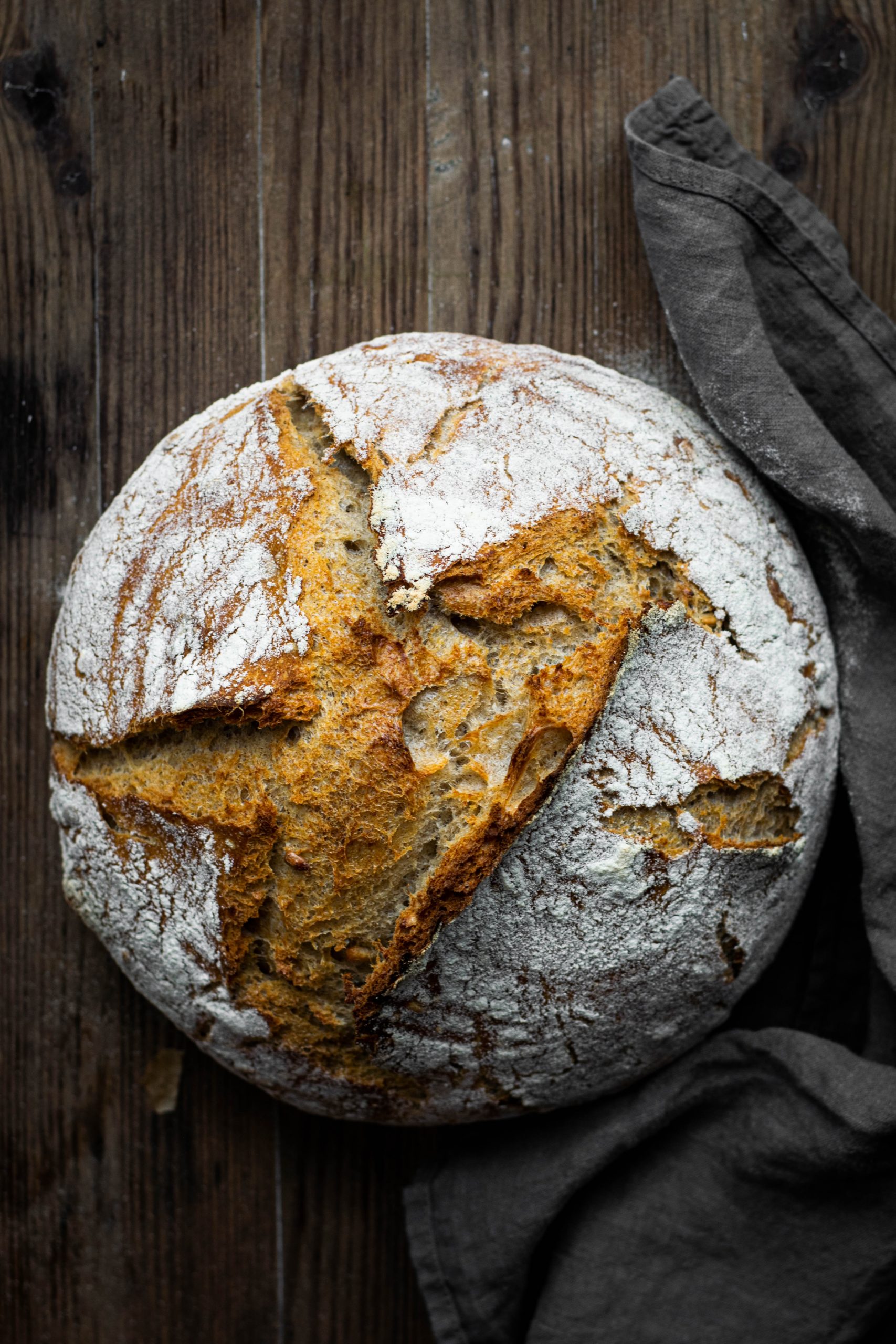
Photo credit: @Monika Grabkowska
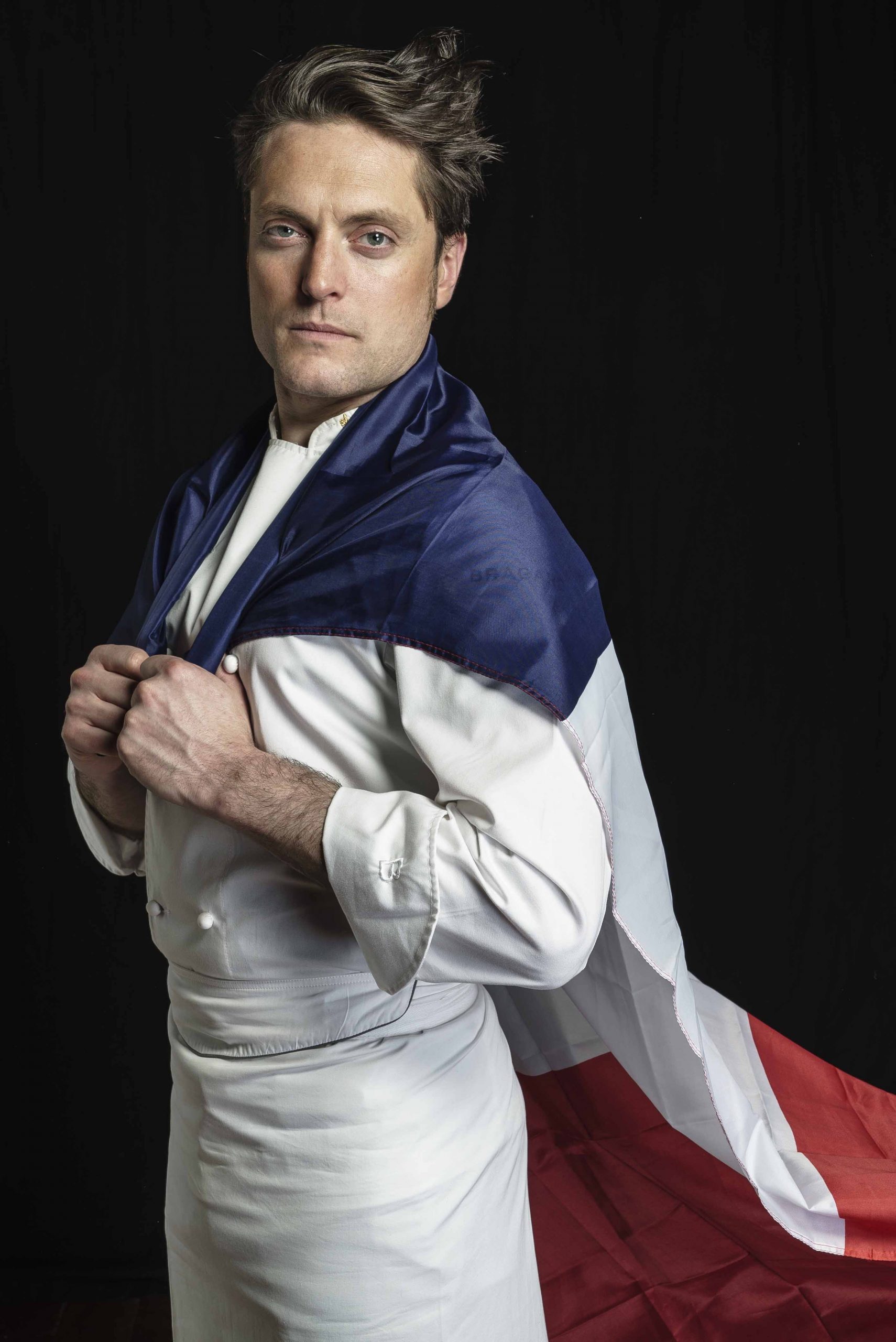
What do you associate with cooking and mealtimes? Why do you think this is important in a culture or society?
"It's a real moment of exchange and sharing. Here at the restaurant, we have a lot of businesspeople who come to do business and sign contracts. But around the table, they finally let their guard down a little. They feel comfortable, they forget about their worries outside, and they enjoy themselves."
The recipe for Beef Mode
Ingredients:
- 1 pound of beef in the rump
- ½ calf's foot
- 6 carrots
- 6 small onions
- 1 bouquet garni: 3 sprigs of parsley, 1 sprig of thyme, ¼ bay leaf
- 200 g of bacon
- 60 g butter
- 50 cl of dry white wine
- 1 ladle of hot water
- Salt, pepper
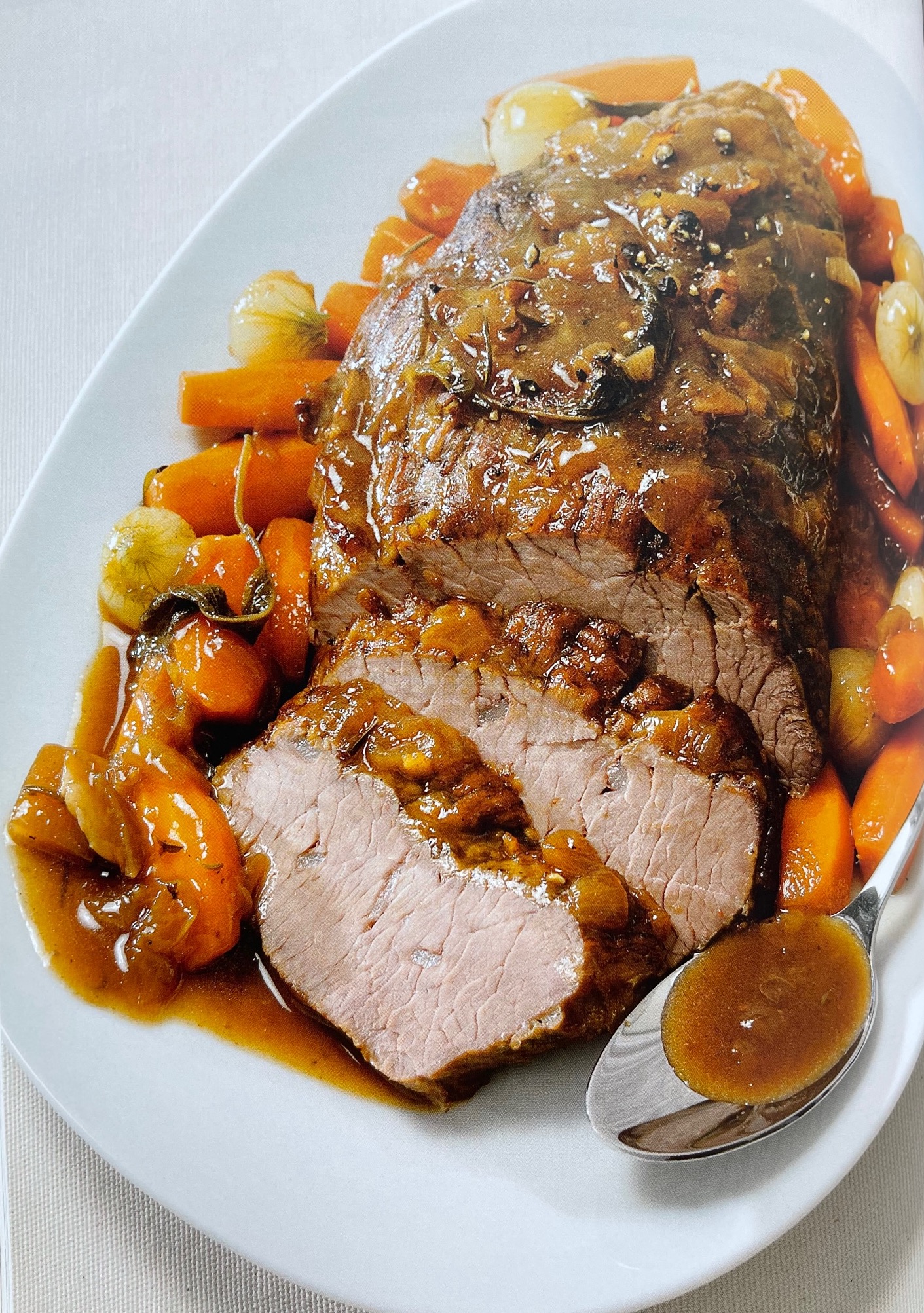
Steps:
- Peel the carrots, rinse them quickly, pat them dry, and cut them into sticks about 5 centimeters long.
- Peel the onions and leave them whole.
- Wash the parsley thoroughly, then tie together the thyme, bay leaf, and parsley with a thin string.
- Season the veal shank and beef with salt and pepper on a cutting board. Remove the rind from the bacon and dice it.
- In a casserole dish, preferably enameled cast iron, melt the butter. As soon as it starts to foam, add the onions and bacon and sauté quickly, turning them over with a wooden spoon.
- Add the meat and calf's foot and brown on all sides, then add the carrots and bouquet garni. When the meat is nicely browned, pour in the white wine and cook over low heat for about 1 hour.
- When the wine has evaporated a little, add a ladleful of hot water. Turn the pieces of meat from time to time, then cover and simmer over low heat for another 2 hours (this dish must cook slowly and for a long time).
- 15 minutes before the end of cooking, heat the serving dish (preferably deep) and the plates.
- When everything is cooked, remove the meat and veal shank and carve them on a cutting board; arrange them on a serving dish surrounded by carrots, small onions, and bacon.
- Skim the fat off the juice and pour it over the meat. Serve piping hot with mashed potatoes or pilaf rice.
Bonus
What is your Proustian madeleine?
Pâté en croûte. I've made so many!
Three guests you would like to have over for dinner?
Freddy Mercury, Michael Jackson, and Joël Robuchon.
What is your favorite world food?
Thai cuisine, its textures, its flavors...
Can you recommend a restaurant?
The latest one, which is very, very good: the Michelin-starred Mexican restaurant OXTE in Paris.